
HVAC Repair in Huntington, WV
Homes here need heat from October through April and cooling from June through September. If your system quits, tell us what it's doing and a licensed contractor who covers Cabell County will get in touch.
Tell us about the job
It takes about a minute.
Eleven months of work, most years
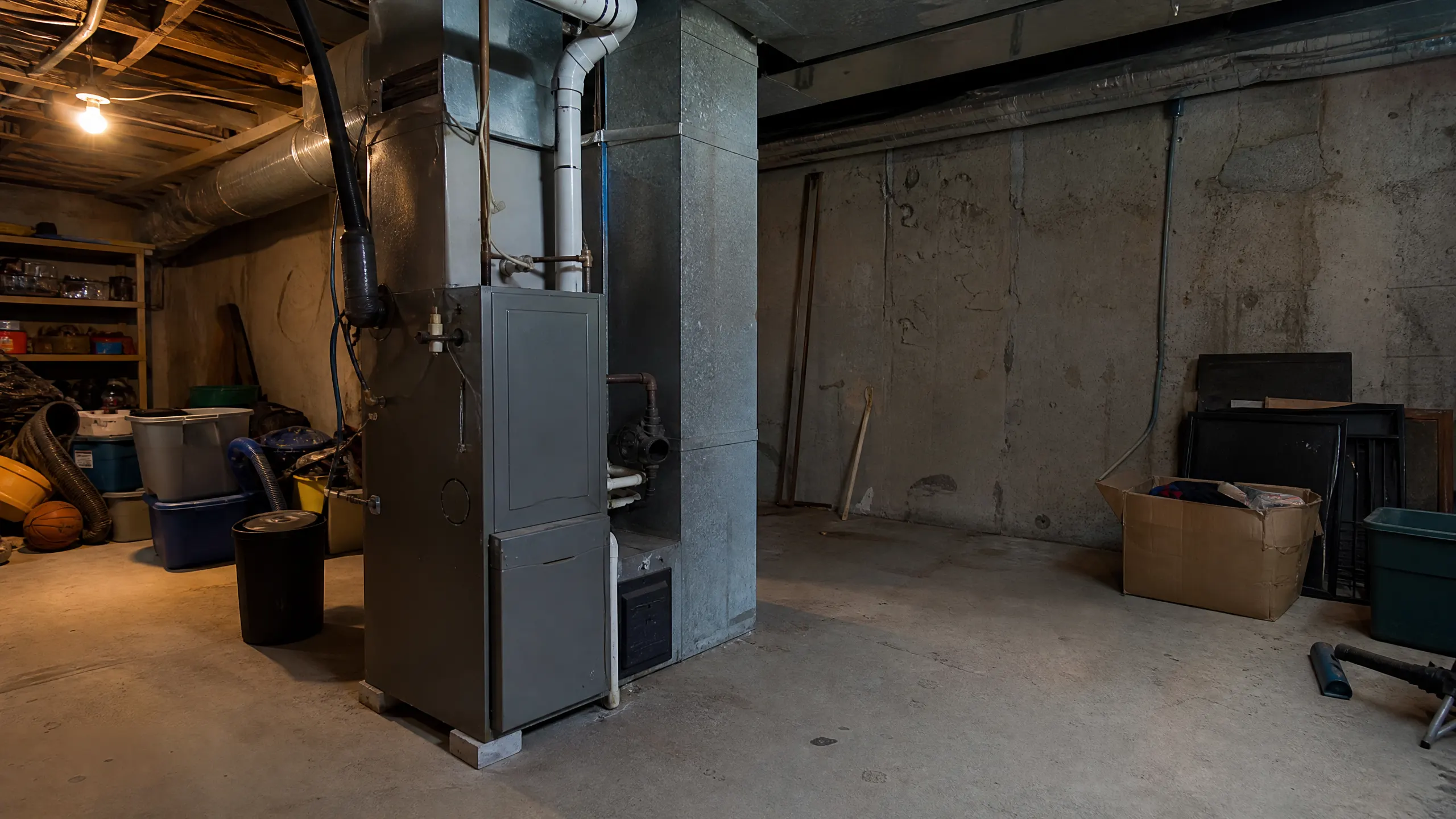
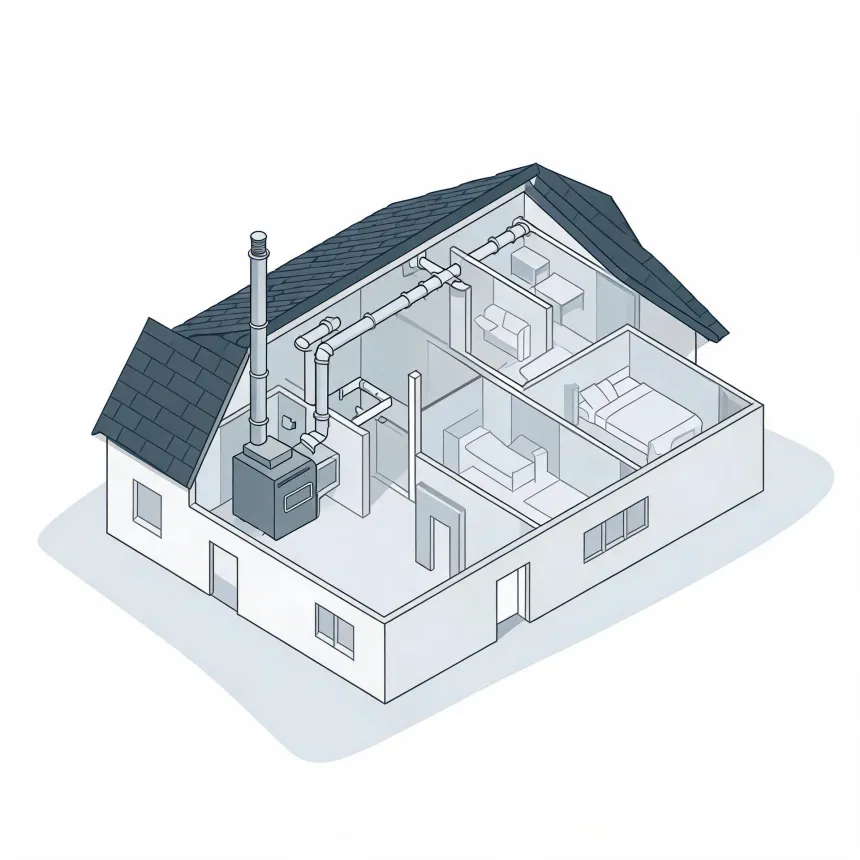
Cabell County only gives your system a month off in spring and a month in fall. From October through April the furnace carries the house through nights that average 27°F. From June through September the AC holds back afternoons near 86°F. That is eleven months of one system or the other running.
The storms here add their own wear. Cabell County has logged 15 winter storms and 71 damaging wind events over the past ten years, and statewide more than a third of households lost power for a day or more in 2024. When the power drops mid winter and comes back, the furnace has to restart cold. That hard restart is when an igniter or control board is most likely to fail, and it tends to happen on the coldest night of the stretch.
- 7 months
- October through April, your system heats
- 4 months
- June through September, it cools
- 27°F
- the average winter night it heats against
- 86°F
- the average summer afternoon it cools against
NOAA nClimDiv, 1991–2020 normals
West Virginia requires HVAC contractors to hold a state license.
The Commissioner of Labor issues that license, and it's tied to the contractor, not to any single job. The business gets tested and put on record once, then carries that license across every job it takes on, not just the one at your house.
For a repair on a heating and cooling system, that license is what stands behind the work. Whoever shows up to work on your system should be carrying the same license the state issued to their business, and it covers them on this job the same as any other.
Source: West Virginia Legislature
- Why is my heat not working?
- The first thing to check is the thermostat, since a dead battery or a setting bumped to cool will stop heat with nothing wrong in the furnace itself. If the thermostat looks right, check the filter and the breaker next. Furnaces need power for the igniter and the blower even on gas models, so a tripped breaker will leave you with no heat at all. If the burners try to light and then shut off, or the blower runs but the air is cold, that points to something a contractor needs to look at, like the igniter or the flame sensor.
- Why is my system running but not cooling the house?
- If the blower is running but the air coming out is not cold, the problem is usually with the refrigerant side or the outdoor unit, not the fan. Start with the filter. A clogged filter chokes airflow across the coil and can make the whole system struggle to cool even when everything else works. Next check the outdoor unit for anything blocking it, leaves, grass clippings, a fence panel too close. If the filter is clean and the outdoor unit is clear and you're still not getting cold air, that likely means low refrigerant or a failing component, and that needs a contractor with gauges to find it.
- What can I check before calling for HVAC repair?
- Check the thermostat first, the batteries, the setting, and whether the screen is blank. Then check the filter, since a filter clogged with dust restricts airflow and can cause both weak heat and weak cooling. Check the breaker panel for anything tripped. If the unit is outside, walk out and look for debris or anything blocking it. None of this takes long, and it rules out the simple causes before a contractor has to come look at the equipment itself.