
What West Virginia homes are up against.
NOAA National Centers for Environmental Information, Storm Events Database, bulk CSV export, events 2015-01-01 through 2024-12-31. · U.S. Census Bureau, 2020-2024 American Community Survey 5-Year Estimates

A homeowner deciding between a repair and a replacement is really asking how much more cycling the unit has left in it. Homes in West Virginia run heat about eight months a year, from October through May. That leaves the cooling equipment idle most of the year, but it puts the burner and the heat exchanger to work far more than a homeowner might guess from looking outside on a mild day. A furnace sized wrong or set up poorly tends to show it here, because there is so little idle stretch for a hidden fault to hide in before the next cold morning brings it out.

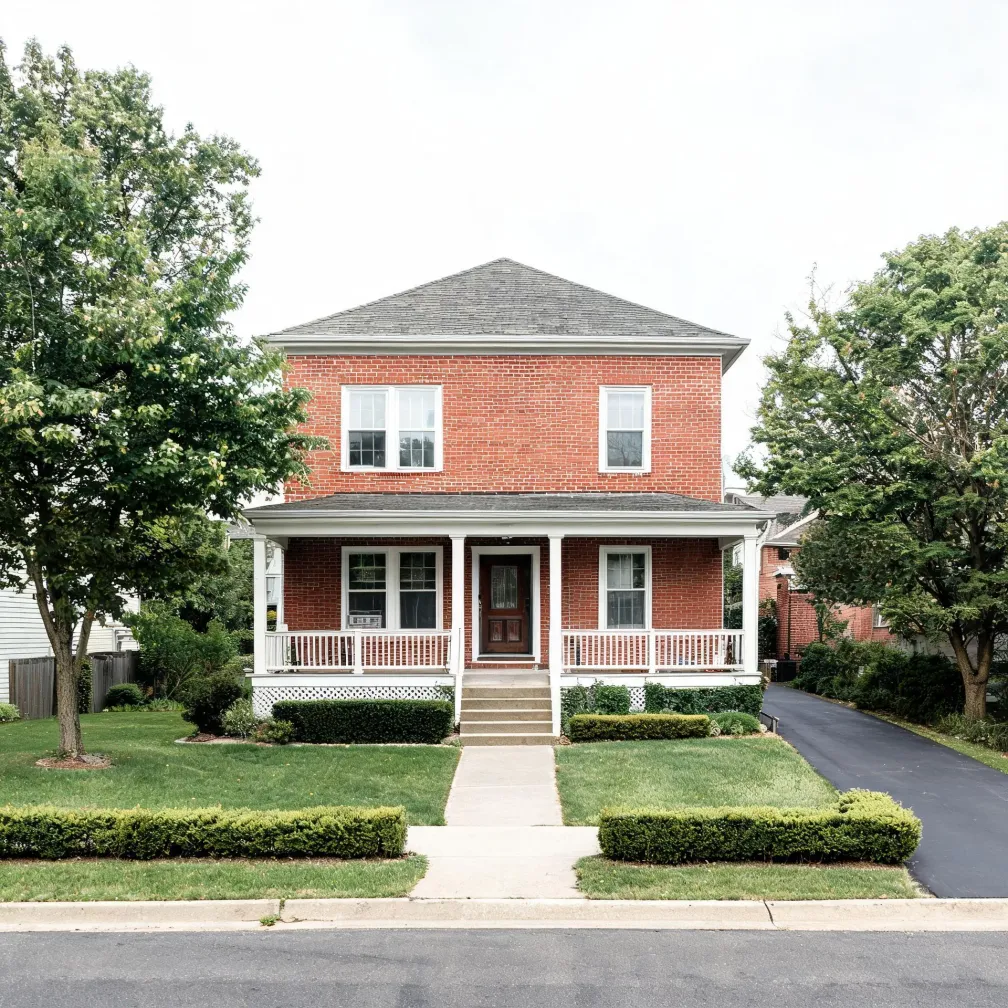
Before a contractor can quote new equipment, someone has to open up the house and look. Ducts already run through the walls and floors, and they were sized for whatever used to move air through them, not necessarily for what goes in next. The electrical panel has whatever capacity it has. Half the homes in West Virginia were built in 1976 or earlier (2020-2024 ACS 5-year). That means a contractor is working with what is already there far more often than starting clean, checking the duct sizing, the panel, the venting, before recommending anything. A homeowner asking for a quote over the phone is asking for a guess. The real number comes after the walls are opened and the parts are seen.
How does your West Virginia county compare on severe weather?
2015–2024 · Source: NOAA National Centers for Environmental Information, Storm Events Database.
Outdoor equipment takes the brunt of whatever weather passes through. Wind can rock a condenser loose from its pad, hail can dent the cabinet and bend the fins that move heat, and heavy rain can work into wiring that was not sealed well to begin with. A homeowner in a county with a heavier storm record should have a contractor check where the outdoor unit sits, how firmly it is anchored, and the condition of the unit itself.
West Virginia requires HVAC contractors to hold a state license.
Licenses are issued by the Commissioner of Labor.
Source: West Virginia Legislature