
HVAC Repair in Kingwood, WV
Homes here need heat from October through May and cooling from July through August. If your system quits, tell us what it's doing and a licensed contractor who covers Preston County will get in touch.
Tell us about the job
It takes about a minute.
Ten months of work a year in Preston County
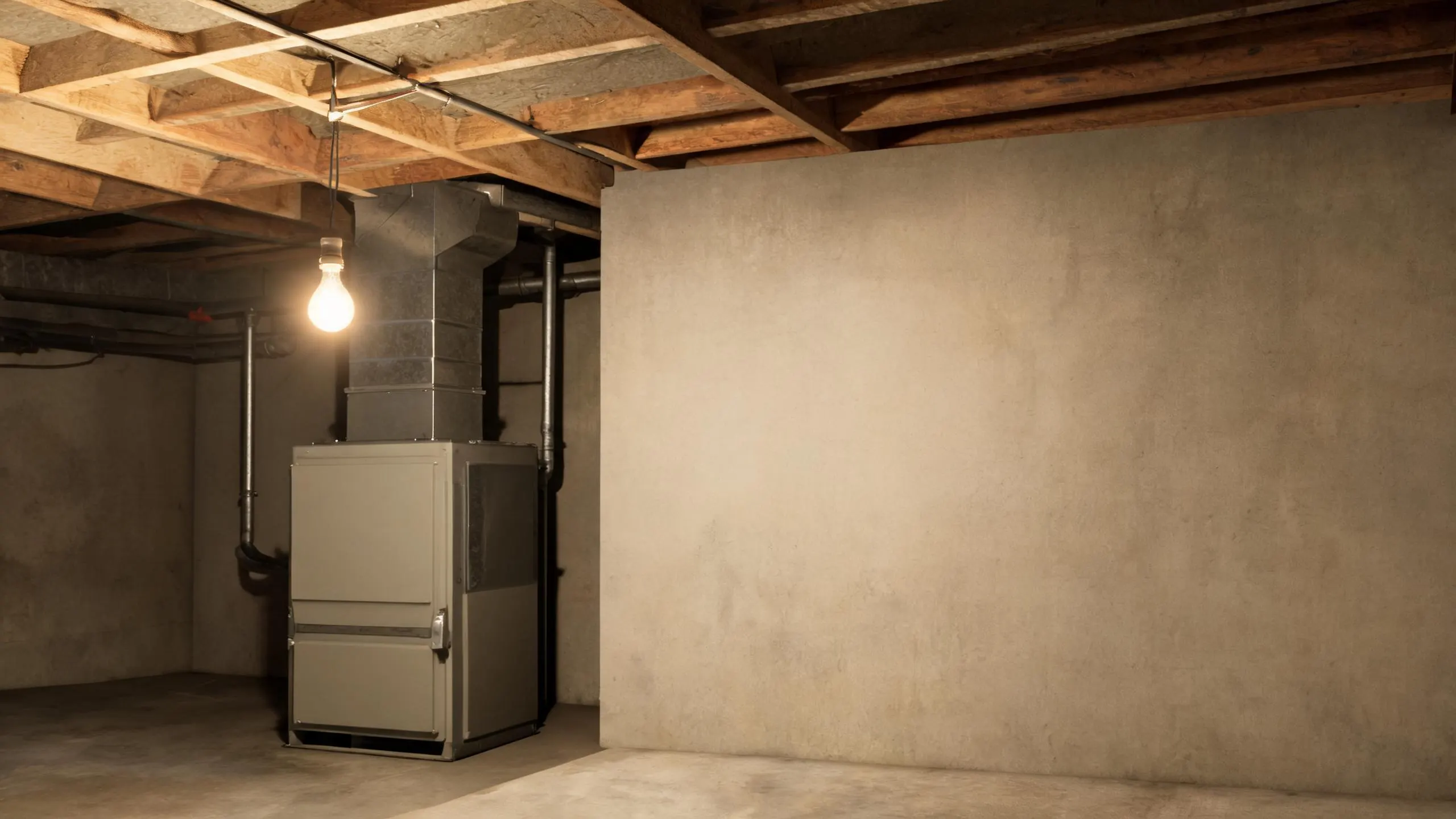
Your furnace runs from October through May here. Winter nights average 22°F, cold enough that the burner cycles on and off for hours at a stretch through the night. Each cycle puts wear on the igniter and the flame sensor, and one of those parts is usually why a furnace won't start on a cold morning.
Summer is short, just July and August, with afternoons around 79°F. Your air conditioner doesn't run as hard here as it would further south, but it still has to work through those two months, and a compressor that sat idle all winter can struggle to start back up. Add in the storms this area sees, 36 winter storms and 108 damaging wind events over the last ten years, and it's easy for a system to lose power or take a hit it doesn't fully recover from. A third of West Virginia households lost power for a day or more last year, and when the power comes back, that's often when a weak part finally gives out.
- 8 months
- October through May, your system heats
- 2 months
- July through August, it cools
- 22°F
- the average winter night it heats against
- 79°F
- the average summer afternoon it cools against
NOAA nClimDiv, 1991–2020 normals
West Virginia requires HVAC contractors to hold a state license.
The Commissioner of Labor issues that license, and getting one means the contractor was tested and is on record with the state. It covers the contractor as a whole, not the specific job on your system, so the license tells you this person or business met the state's bar, not that this particular repair was pre-approved.
For a repair on a heating and cooling system, that state license is what stands behind the person doing the work. West Virginia's rule reaches this job because repairing the system is exactly the kind of work the license is meant to cover.
Source: West Virginia Legislature
- Why is my heat not working?
- Start with the thermostat and the power to the unit before you assume the worst. Check that it is set to heat and the temperature is set above room temperature. Then check the breaker for the furnace or air handler. If you have a gas furnace, watch for the igniter to glow when it calls for heat. If it never lights, that points to the igniter or the flame sensor. With winter nights here dropping to 22°F, a furnace that short cycles or won't stay lit needs a contractor soon, not in a week.
- Why is my system running but not cooling the house?
- Check the filter first. A clogged filter blocks airflow across the coil, and when that happens the coil can freeze and stop cooling the air at all. Next check the outdoor unit, the condenser, and make sure it's running and not covered in leaves or debris. If the filter is clean and the outdoor unit is running but the air from the vents is barely cool, the system likely has a refrigerant leak or a failing compressor. That calls for a contractor.
- What can I check before calling for HVAC repair?
- Check the thermostat settings first, and the batteries in it if it uses them. Then check the breaker for the system. Check the filter and replace it if it's dirty, since a blocked filter causes problems that look like bigger failures. Look at the outdoor unit for debris or ice on the coil. If the system still isn't heating or cooling after that, a licensed contractor can diagnose what's wrong and price the repair for your house.