West Virginia HVAC Pros
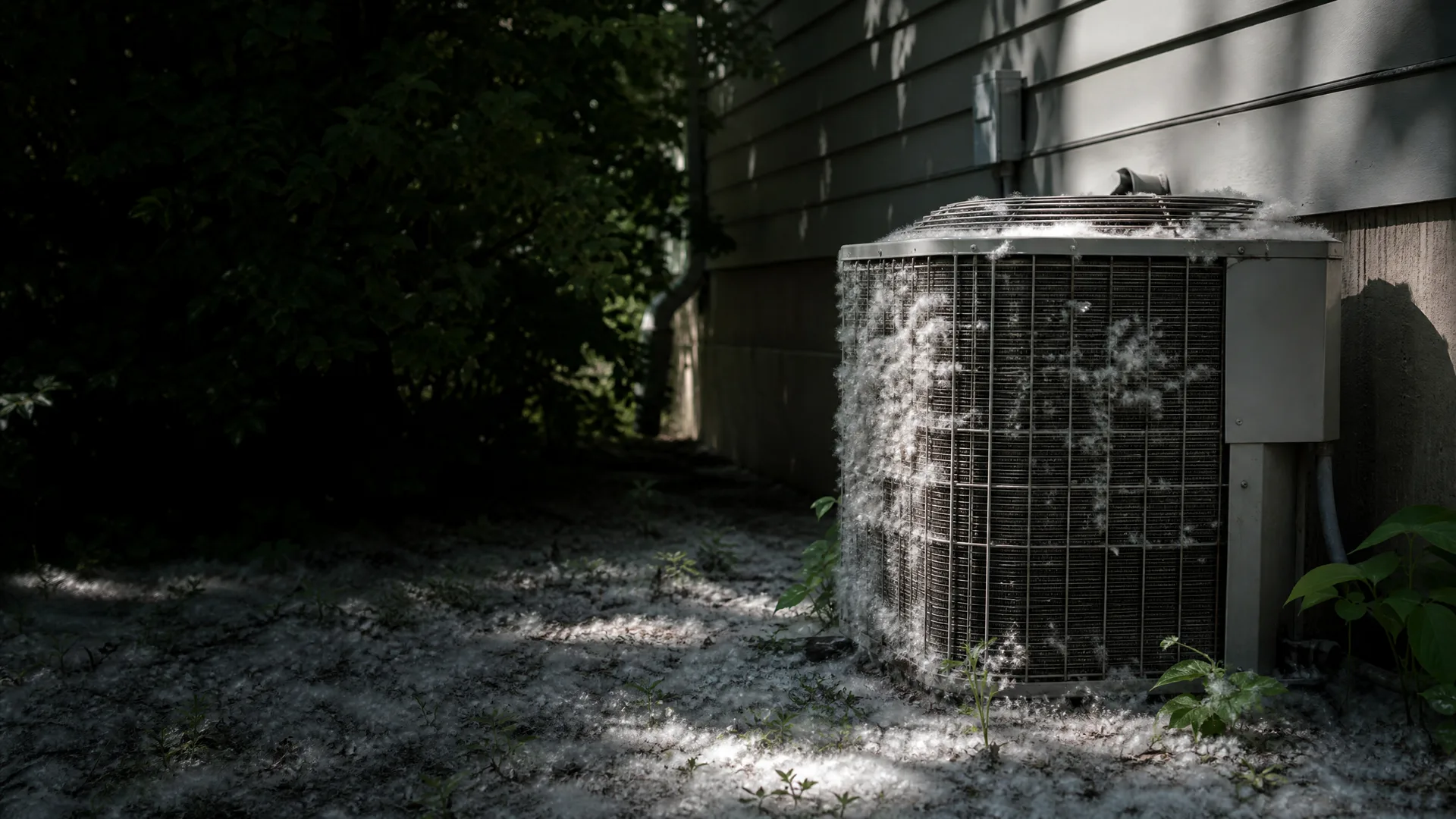
An outdoor air conditioning condenser unit on a concrete pad beside a house with stone veneer and vertical board siding, with a small shrub and mulch bed lit by a ground light at dusk.

It's off your list after this

Does closing vents help your AC in West Virginia

Closing vents in rooms you don't use sounds like it should help, but with most AC systems it can do the opposite and strain the blower. This page looks at what actually happens when you shut a vent, and when it's worth doing in a West Virginia summer. If you'd rather have someone look at your system and tell you straight, submitting the form below hands that search off to a local contractor who works on this equipment all summer.

Hand it off

Closing vents does not help your AC. It usually makes it work harder. Your system is designed to move a set amount of air through the whole duct system. Shut a few vents and that air has nowhere to go, so pressure builds up in the ducts. The blower pushes against that pressure instead of moving air freely, and in some systems the coil inside can get cold enough to ice over. None of that cools your house faster. It just adds strain on a system that already has to work through a sticky West Virginia summer. Closing a vent or two in a rarely used room for a short stretch usually will not cause problems, but shutting several, or closing them for the whole season, is where the trouble starts. If rooms in your house never seem to cool evenly, that points to a duct or airflow issue worth having looked at, not a vent to close.

A man in a gray sweater reclines in a brown leather armchair with his eyes closed, beside a wooden side table holding a mug, a folded newspaper and a potted plant, with a bookshelf and sunlit window behind him.
A man with greying hair and a dark sweater leans back on an armchair with his eyes closed and a slight smile, in a living room with a bookshelf, plant, folded newspaper and mug on a wooden table.
A man in a gray fleece jacket sits reclined in a leather chair with his eyes closed, in a room with bookshelves, a table lamp, a window, and a desk holding a folded newspaper and a dark mug.
A bearded man in a gray fleece pullover sits with eyes closed in a brown leather armchair in a living room, with a floor lamp, bookshelf, potted plants, a side table holding newspapers and a dark mug, and a bright window behind him.

Your duct system is built around a blower that's sized to push a certain amount of air through every vent and return in the house. That's the balance it was set up for. Close a few vents and the air it's moving still has to go somewhere. Pressure climbs inside the ducts, and the motor draws more current trying to hold its airflow against that resistance. Often the path of least resistance isn't the room you left open. It's a gap at a duct seam or a loose boot, and the cold air you paid to move ends up in the attic or under the floor instead of in your living room. There's a second problem on a humid afternoon here. Starve the coil of airflow and it can drop below freezing and ice over, which cuts cooling further instead of helping it. Meanwhile the rooms next to the one you closed can end up just as warm, since that duct run is still carrying the same conditioned air with nowhere new to put it.

What happens behind the wall

  • Your blower is sized to push air against the resistance of every vent and return open as the system was designed.
  • Closing several vents raises static pressure in the ducts, and the blower motor draws more current trying to hold its airflow.
  • The extra pressure often forces cold air out around duct seams and through gaps at the boots instead of into the room.
  • A coil that gets too little airflow across it can drop below freezing and ice over on a humid West Virginia afternoon.
  • Rooms next to the closed one can end up warmer anyway, since the sealed duct run still carries the same conditioned air.
  • A system fighting extra pressure all summer puts more wear on the blower motor and the compressor behind it.
A gray outdoor air conditioner condenser unit on a concrete pad beside a house with white horizontal siding and a brick foundation, with a wall-mounted disconnect box and conduit, and a green shrub with mulch at left.
A system with every vent open moves air the way it was designed to, so the blower runs at the load it expects.
An outdoor air conditioning condenser unit on a concrete pad beside a house with white horizontal vinyl siding, with a gray electrical disconnect box and refrigerant lines on the wall behind it.
Dirt like this builds up when a motor strains season after season, and closed vents add to that strain.
  1. You close a vent to stop cooling a spare room.

  2. Air that would exit there has nowhere to go.

  3. Pressure builds inside the supply ducts behind it.

  4. The blower motor pulls more current to keep moving air.

Is it OK to close vents in rooms I don't use?

You've got a guest room or a basement space that barely gets used in summer, and shutting the vent in there seems like free savings. It's a reasonable guess. But your duct system wasn't built with that in mind, and West Virginia summers already push your AC hard enough without adding strain from closed vents.

Leave it open, or get the duct sized for it instead

Closing one vent in a rarely used room will not ruin your system, but it does not save you anything either. The air that would have gone there still gets pushed by the blower. It just finds another way out, through duct leaks or the next room's vent, running your AC harder for no gain. If a room genuinely does not need cooling, the right fix is a damper installed at the duct, sized for that branch, not the vent cover itself. A contractor who services AC systems in West Virginia every summer can tell you whether your ductwork can take a closed vent or whether it is already running close to its limit.

A gray outdoor air conditioner condenser unit on a concrete pad beside a house with horizontal siding and a stucco foundation, with a disconnect box and conduit on the wall, decorative gravel, mulch, and a shrub nearby.

Every vent open, system under normal load

This is what your system expects to see all summer. The condenser sits clear of the siding, the coil fins are clean, and air moves through the unit the way the manufacturer designed it. No vent anywhere in the house is fighting the blower.

An outdoor air conditioning condenser unit on a concrete pad beside a house with horizontal lap siding, with an electrical disconnect box and conduit on the wall, mulch and a green shrub to the right, and a concrete walkway in the foreground.

Dirt on the coil, strain on the motor

Grime like this on the coil grilles does not come from one hot week. It builds over a season of the motor working harder than it should, often with vents closed somewhere in the house. A dirty coil and higher duct pressure both make the system run longer to cool the same rooms.

An outdoor air conditioner condenser unit on a concrete pad beside a house with light horizontal vinyl siding, surrounded by bare dirt, gravel and dry leaves, with refrigerant lines and conduit running along the wall.
Before you get your air conditioner maintenance
A gray outdoor air conditioner condenser unit on a concrete pad beside a house with horizontal lap siding, with a flowering shrub at left and a disconnect box with conduit on the wall at right.
After you get your air conditioner maintenance
A two-story gray horizontal-siding house with multiple gables, a covered front porch with white columns and railing, and a dark front door, fronted by a patchy green and brown lawn under a clear blue sky.

A West Virginia summer sits at a 61°F dew point on average across June, July and August, per NOAA climate data. That's heavy air, the kind that makes your skin feel damp just standing outside. Your AC is already working to wring that moisture out before it cools the house. Close off a few vents on top of that and the system has to fight both the humidity and the extra pressure in the ducts. That's two jobs piled on a blower built for one. A local contractor who services this equipment every summer knows which systems handle that load fine and which ones start short-cycling because of it, and checking yours against that is a quick thing to have looked at before the worst of the heat sets in.

NASA POWER T2MDEW county cells weighted by homes

Stop chasing an air conditioner pro

A licensed local pro takes the request for your air conditioner tune-up.

It costs nothing to send, and you don't have to hire anyone.

A gray outdoor air conditioner condenser unit on a concrete pad beside a house with dark horizontal siding and a stone base, surrounded by gravel, with a flowering shrub at left and a concrete walkway in front.

All vents left open

This is a unit that gets to breathe. The pad is clear, the gravel keeps the surroundings dry, and nothing is crowding the coil fins. Airflow moves through the system the way the manufacturer built it to, so the blower runs at the load it was designed for, all summer long.

An outdoor air conditioner condenser unit sits on a concrete pad beside a stucco wall, with refrigerant lines and conduit running to the wall and a shrub to the left.

Vents closed somewhere in the house

Grime like this collects on a unit that has been straining for a while. The fins are caked, the casing is dull, and the lines running into the wall have been carrying a system working harder than it should. Closed vents upstream are one more load on a motor already under pressure.

Power costs 15.39 cents per kilowatt-hour statewide

At 15.39 cents per kilowatt-hour, every extra hour your blower motor strains against closed vents shows up on the bill. A blower working harder to push air past blocked vents draws more current the whole time it runs, and in a West Virginia summer that can mean long run times all season.

EIA-861 2025 statewide residential average

An outdoor air conditioner condenser unit beside a house with horizontal siding, its coil covered in white cottonwood fluff that also blankets the ground around it.

Late May, and the cottonwood trees down the side yard have let go. You notice it when you walk past the condenser to drag the trash can to the curb: a layer of white fluff caught across the fins, thick enough that you can't see the metal underneath in some spots. The unit is still running, you can hear it, but the sound seems to come from something working rather than something humming along. You crouch down and look closer. The fluff has pulled in dust with it, matting against the coil like felt. It's been a warm week and the AC has been on most afternoons. You make a note to clear it off, or to get someone out who can do it properly, before the real heat of a West Virginia summer sets in.

Closed Vents vs. Open Vents

Vents closed

  • Pressure builds up behind the closed vent because that air has nowhere else to go.
  • The blower motor draws more current trying to push the same amount of air through fewer open vents.
  • Air finds its way out through gaps in duct seams and joints instead of the room it was meant for.
  • A room with its vent shut can end up more humid, since it's getting no airflow to help manage moisture.
  • The extra load on the blower motor is the kind of strain that shows up as wear over a full summer of running.
  • You're not reducing how much air the system moves, just forcing it through a smaller opening.

Vents open

  • The blower runs at the load it was built for, moving air through every supply and return the way the system expects.
  • Pressure in the ducts stays where it should, so the motor isn't working against resistance it wasn't designed for.
  • Every room gets airflow, which helps the system manage the moisture a West Virginia summer keeps pushing indoors.
  • Air goes where the ductwork sends it instead of leaking out through seams along the way.
  • Nothing about this setup asks the blower motor to draw more current than normal.
  • This is the load condition the system was sized for when it was installed.
A gray-haired man with a beard in a blue button-placket shirt reclines on a couch with his eyes closed, beside a sunlit window with a green plant.
A woman in a cream knit sweater sits in an armchair with her eyes closed near a window showing yellow autumn foliage, with a mug on a round wooden side table beside her.

The Simple Answer, Settled

  • Leaving every vent open all summer is the one change that costs nothing and protects the blower.
  • Your system was sized to move air through every room, so running it the way it was designed is the whole fix.
  • A West Virginia summer already asks a lot of your AC between the heat and the humidity, so there's no need to add strain on top of it.
  • A local contractor who services this equipment all season knows the usual points of failure on systems run this way.
  • Working with one licensed contractor means a single point of contact instead of competing calls from several companies.
  • Routine maintenance catches the strain closed vents would have caused before it turns into a bigger repair.

Leave your vents open. That's the answer, and nothing in how your system works changes it. Your AC was built to move a set volume of air through every room in the house, and closing vents off just makes the blower fight harder to push that same air through fewer openings. It doesn't save you anything, and over a West Virginia summer, with the heat and the dew point both working against your system, that extra strain adds up on the motor and on your bill.

The fix costs nothing. Open vents, a clear filter, a clean coil, that's the system running the way it was designed to. Where maintenance earns its keep is catching the small things before they become the big thing, the weak capacitor or the motor pulling more current than it should, the kind of wear a contractor who works on this equipment all summer long knows to check for first because they've seen it before, on this same kind of system, in this same kind of heat.

That's also the kind of help worth having nearby. A local contractor who services your area knows what tends to fail on a system that's been run hard through a humid summer, and you're working with one contractor, not fielding calls from three different companies trying to win the job. Your system was engineered for this heat already. Leave the vents open, keep up with the maintenance, and let it do the job it was built for.

An outdoor air conditioner condenser unit sits on a concrete pad beside a house with horizontal siding and stone veneer, next to mulch, shrubs, and grass.

Send one request and you're done looking

Tune-up, service, or cleaningCentral ACWest Virginia
Step 1 of 2

What ZIP code is the job in?