
Furnace Installation in Charles Town, WV
A new furnace here will run from October through April every year. Tell us about the house, and a licensed contractor who covers Jefferson County will get in touch.
Tell us about the job
It takes about a minute.
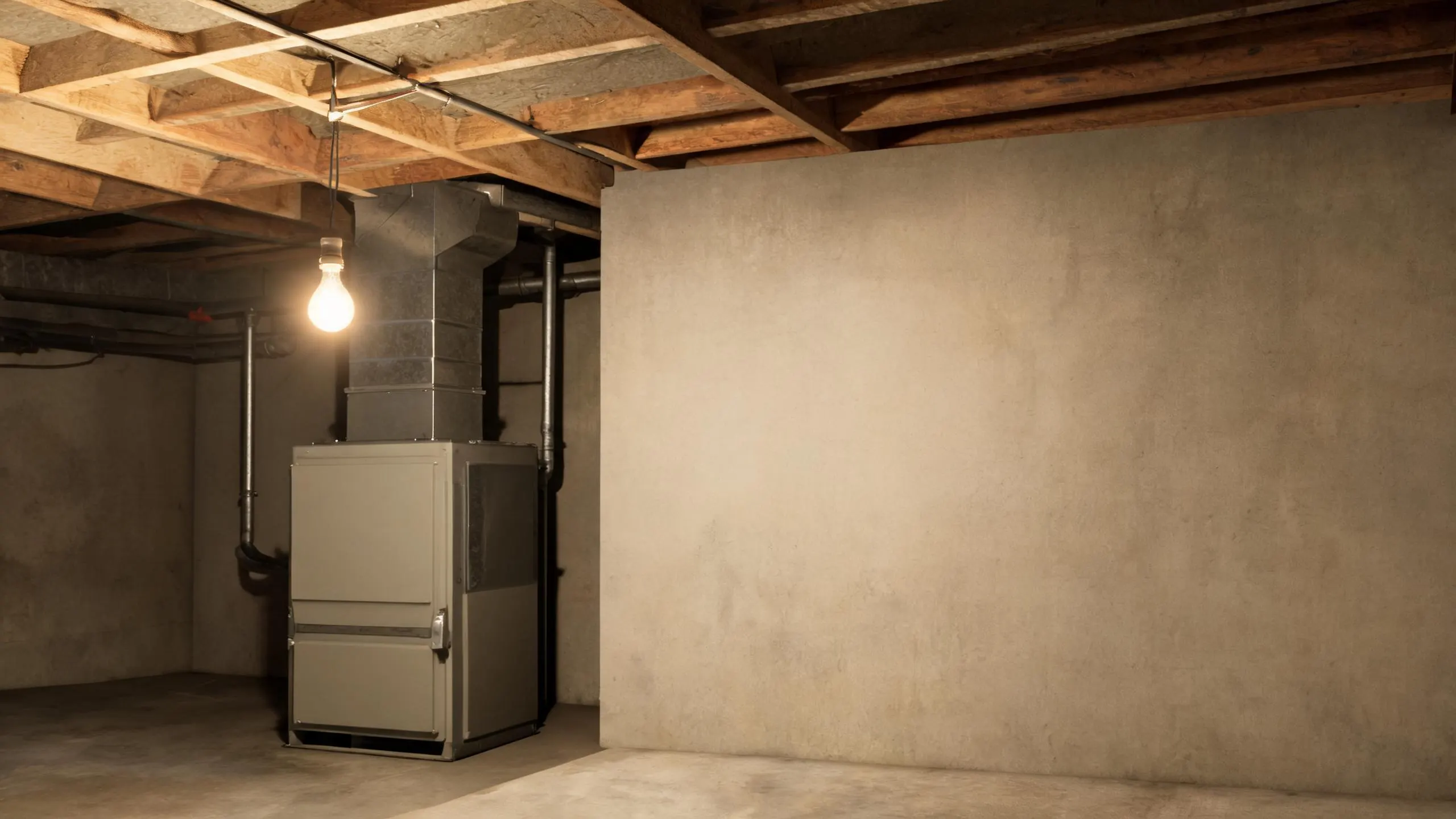
Seven months of heat, starting around 25 degrees
Charles Town needs a working furnace from October through April, seven months a year. Winter nights average 25°F through December, February and the months between, so the furnace you install has to hold up to steady, hard use, not just a few cold snaps.
Most homes here heat with electricity, and the power doesn't always stay on. West Virginia saw 35% of households lose power for 24 hours or more in 2024, and this area has logged 14 winter storms and 92 damaging wind events over the past ten years. That's worth asking about when you're choosing a new furnace. If you install a new non-weatherized gas furnace, federal rules require it to reach at least 80.0 percent AFUE.
- 7 months
- October through April, your furnace is on duty
- 25°F
- the average winter night it heats against
- 80% AFUE
- the federal minimum any new unit must meet
NOAA nClimDiv, 1991–2020 normals
West Virginia requires HVAC contractors to hold a state license.
West Virginia licenses HVAC contractors through the Commissioner of Labor. That means the state tests the contractor and keeps a record of them before they can take on a job like this one. The license belongs to the contractor, not to each furnace they install.
For this job, that license is what stands behind the person in your house. The work itself also gets a separate check. In most cities and counties, replacing a furnace needs a permit from the local building office and an inspection once the work is done.
Source: West Virginia Legislature
- What size furnace does my house need?
- The right size depends on your square footage, your insulation, your windows, and your ceiling height, so there's no single number that fits every house. A furnace that's too big cycles on and off too fast and never heats evenly. One that's too small runs constantly and still can't keep up when it's 25°F outside. A contractor works this out with a load calculation on the actual house, not a rule of thumb based on square footage alone.
- How do I know it's time to replace my furnace?
- Watch for rooms that won't get warm, a furnace that cycles on and off more than it used to, or a jump in what you're paying to heat the same house. Age matters too. Furnaces installed new today have to hit at least 80 percent AFUE, so if yours is old enough to predate that, it's likely burning more gas to make the same heat. With heat needed here from October through April, a furnace that's struggling early in the season is only going to get worse as winter goes on. A contractor can tell you whether what you're seeing is a repair or the furnace reaching the end of its life.
- Is a high-efficiency furnace worth it?
- It depends on how many months you're running it and what you're paying for fuel now. Homes here need heat seven months of the year with winter nights averaging 25°F, so a furnace here runs longer than it would somewhere milder, which is exactly the situation where higher efficiency matters most. The tradeoff is the equipment itself, since higher-efficiency furnaces cost more upfront. A contractor can walk through the options for your house and let you weigh that against what you'd save over a season.