
Furnace Repair in Charles Town, WV
Furnaces here run from October through April. If yours quits, tell us what it's doing and a licensed contractor who covers Jefferson County will get in touch.
Tell us about the job
It takes about a minute.
Seven months of work, in the cold
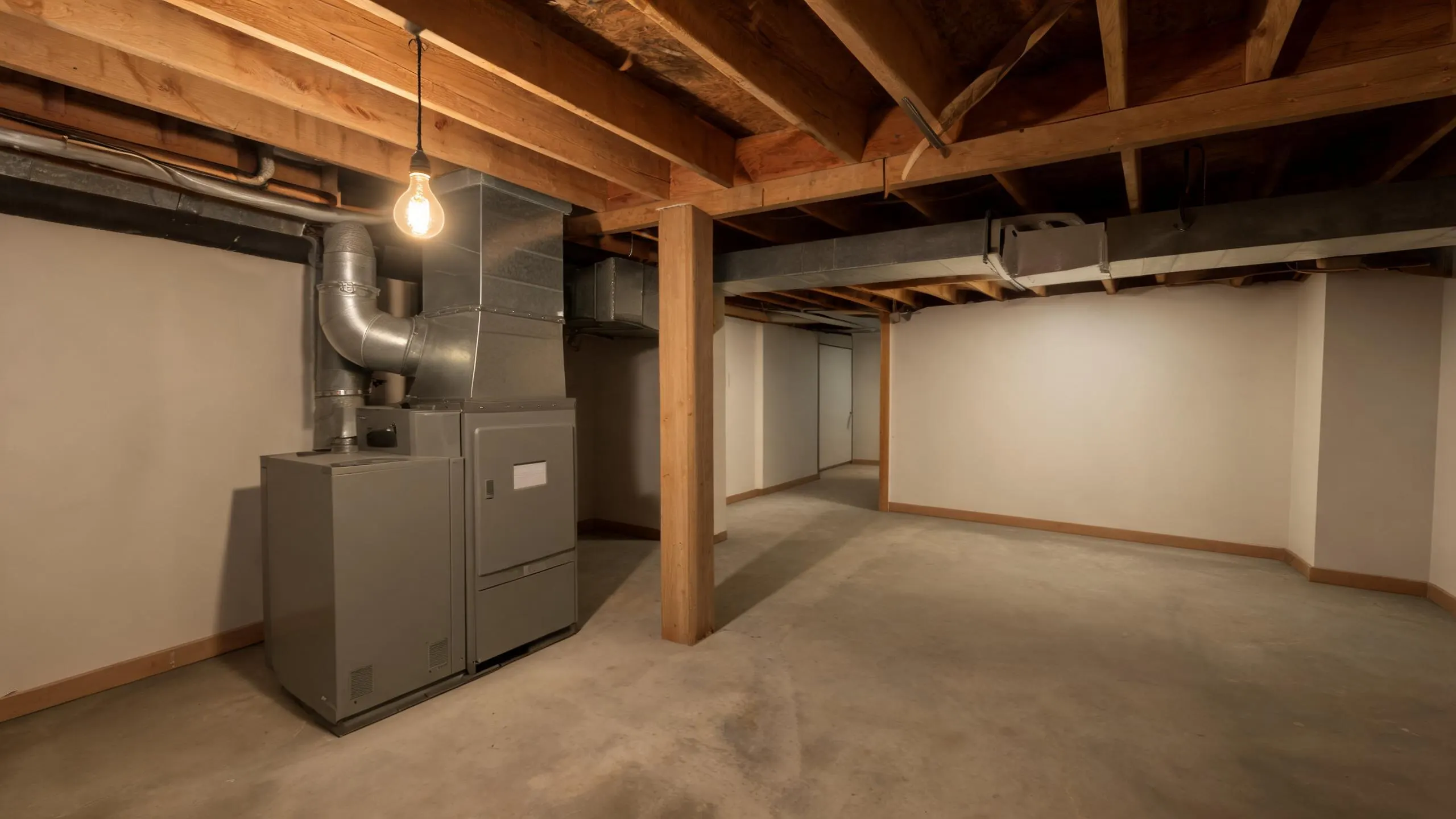
Your furnace in Charles Town runs from October through April. That is seven months of the year the burner has to light and the blower has to move air, and on the nights that average 25°F it is working harder to do it. Every one of those cycles puts wear on the igniter and the flame sensor, the parts that get the burner going. When one of them fails, the furnace stops lighting, and the house cools fast on a night that cold.
Most homes here heat with electricity, so a power outage means no heat at all, not just a furnace running less. Jefferson County has seen 14 winter storms and 92 damaging wind events over the past ten years, and statewide, over a third of households lost power for a full day or more in 2024. A furnace that already starts hard has less room to spare when the power comes back on and has to catch up.
- 7 months
- October through April, your furnace is on duty
- 25°F
- the average winter night it heats against
- 14 winter storms
- in ten years, the nights a failure hurts most
NOAA nClimDiv, 1991–2020 normals
West Virginia requires HVAC contractors to hold a state license.
West Virginia's Commissioner of Labor issues that license, and the contractor had to pass a test to get it and stay on record with the state to keep it. The license belongs to the contractor, not to any one job, so it does not expire the day your furnace is fixed and it does not need to be reissued for the next repair after that.
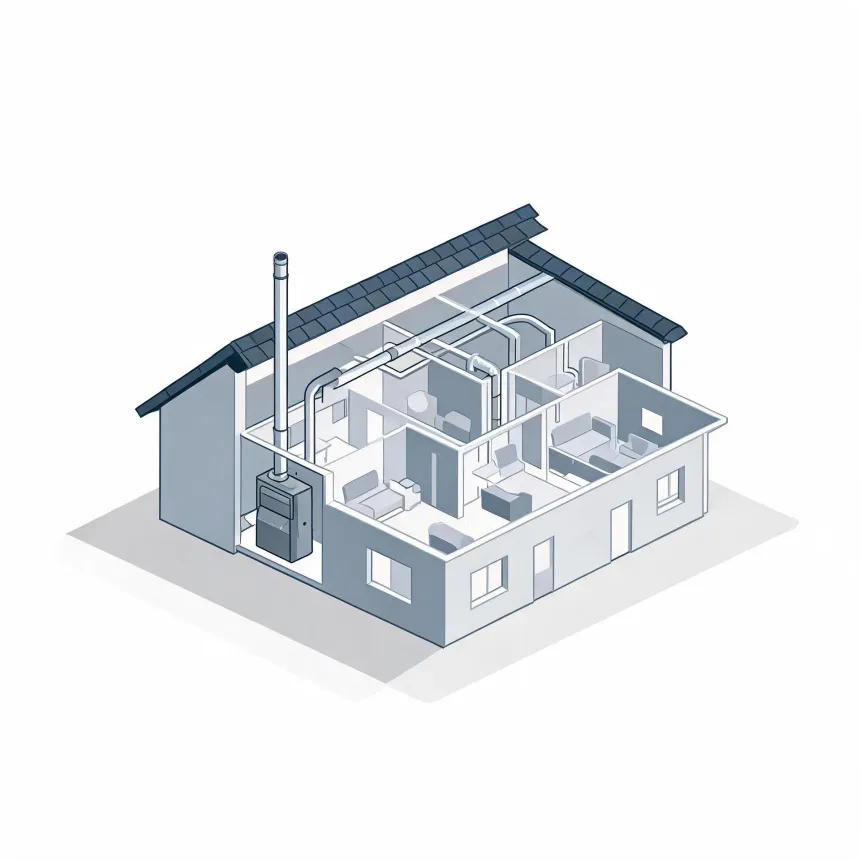
For furnace work, that license is what stands behind the repair. A furnace burns gas, and a loose or corroded connection is the dangerous part of the job. The license is the state's word that the person working on it has been tested to do that safely.
Source: West Virginia Legislature
- Why won't my furnace turn on?
- The most common reason is a thermostat setting or a tripped breaker, so check both before anything else. If the thermostat is set to heat and above room temperature and the breaker is fine, the problem is likely inside the furnace, in the ignition system or the safety switches that shut it down when something isn't right. Some furnaces also have a switch that looks like a light switch near the unit, often on the side of the furnace itself, and it needs to be on. A furnace that still won't start after these checks needs a contractor to look at it.
- Why is my furnace blowing cold air?
- If the air coming out feels cold but the furnace is running, it may just be starting up. Furnaces push air through the ducts before that air has had time to warm, so a minute or two of cool air at the start of a cycle is normal. If the air stays cold the whole time the furnace runs, the burners may not be igniting even though the fan is on, which points to a problem with the igniter or the gas supply. That needs a contractor, especially with nights averaging 25°F here in the winter.
- Why won't my furnace pilot light stay lit?
- This usually means the thermocouple isn't sensing the flame, so the gas valve shuts off as a safety measure. It can also happen if there's a draft near the pilot or if the pilot orifice is dirty and the flame itself is too weak to keep the thermocouple warm. Relighting it yourself following the instructions on the furnace is fine to try once. If it goes out again, the part needs to be looked at by a contractor, since a furnace that won't hold a pilot shouldn't be forced to run.