
HVAC Installation in Charleston, WV
A new system here will heat from October through April and cool from June through September every year. Tell us about the house, and a licensed contractor who covers Kanawha County will get in touch.
Tell us about the job
It takes about a minute.
Eleven months of work a year, out here
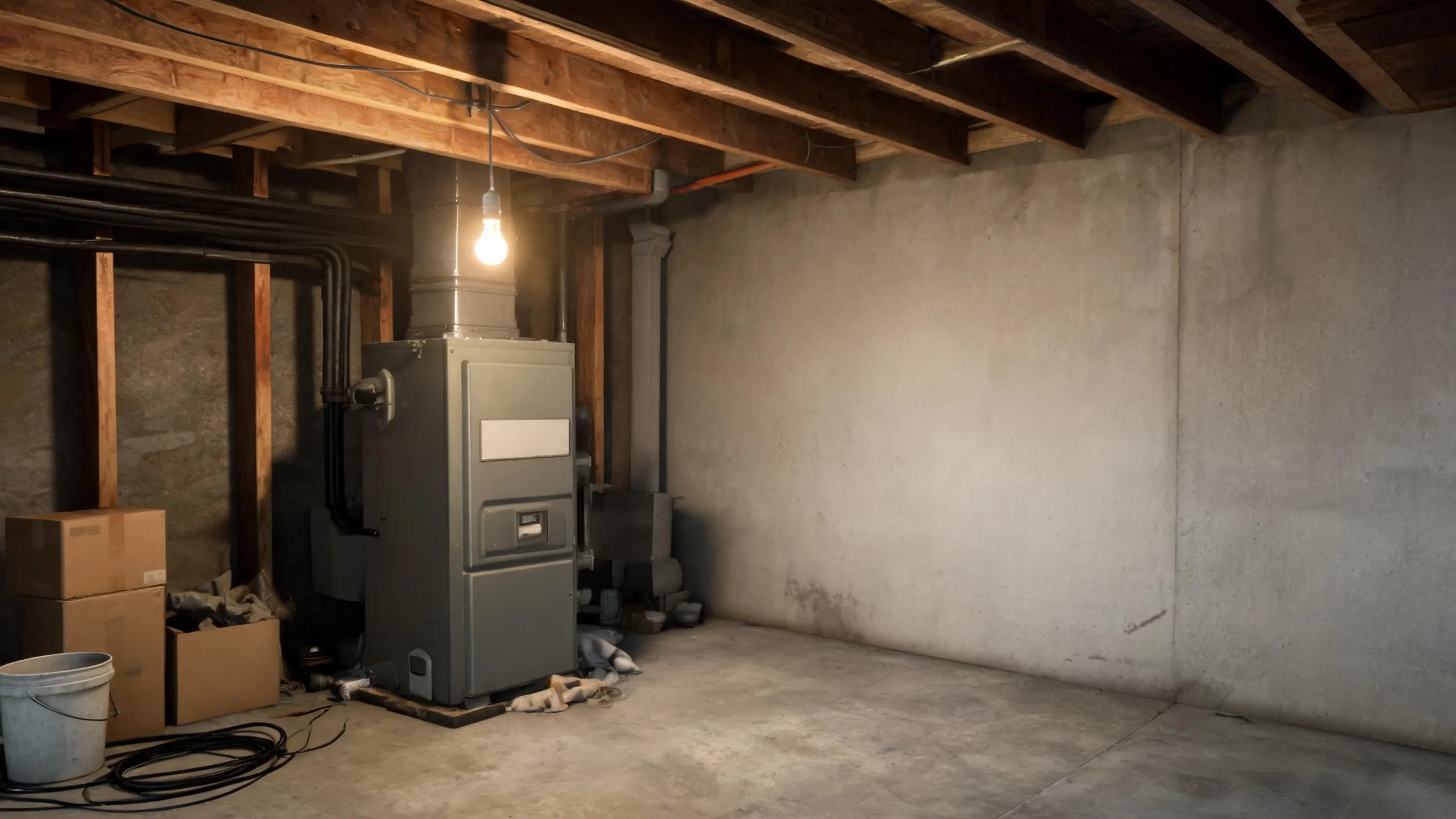
In Kanawha County a new system does not get much rest. Heat runs October through April, seven months, with winter nights averaging 27°F. Then summer takes over, four more months of afternoons near 84°F. Eleven months where the system is either firing the burner or running the compressor, and one month off.
More than half the homes here heat with gas, so the furnace side of that work matters as much as the AC side. And the county sees real weather while it works. Ten years of records show 16 winter storms and 259 damaging wind events, and in 2024 more than a third of West Virginia households lost power for at least a day. A new system has to be sized right and installed right to hold up to that, not just to run on a mild afternoon.
- 7 months
- October through April, your system heats
- 4 months
- June through September, it cools
- 27°F
- the average winter night it heats against
- 84°F
- the average summer afternoon it cools against
NOAA nClimDiv, 1991–2020 normals
West Virginia requires HVAC contractors to hold a state license.
The license is issued by the West Virginia Commissioner of Labor and it covers the contractor, not the job. That office tested and recorded the person or business you hire, but no state inspector shows up at your house to check what they installed.
That check comes from the local building office instead. Putting in a new furnace, air conditioner or heat pump means pulling a permit before the work starts and getting an inspection when it is done, in most cities and counties here. The license tells you the contractor met the state's standard. The permit and inspection tell you this particular system, in your house, was put in right.
Source: West Virginia Legislature
- When should I replace my HVAC system?
- Once repairs start happening every year, or your system is old enough that a breakdown feels like a matter of time. In Charleston that timing matters more than in mild climates, since homes here need heat or cooling 11 months out of the year, with heat needed October through April and cooling needed June through September. A furnace or air conditioner that fails leaves you without relief for as long as it takes to fix, and there is not much of the year here when you can do without either one. If a contractor has already been out more than once this year, it's worth getting a straight opinion on whether the next repair is worth making.
- Should I replace my furnace and air conditioner at the same time?
- If they're close in age, yes, that's usually the better time to do it. Replacing both together means the new equipment is matched from the start, and it means one installation instead of two separate jobs down the road. It also means one round of permitting and inspection instead of two. That said, if one system is much newer than the other, a contractor can look at both and tell you whether pairing them now makes sense or whether it's better to wait.
- What happens during an HVAC installation?
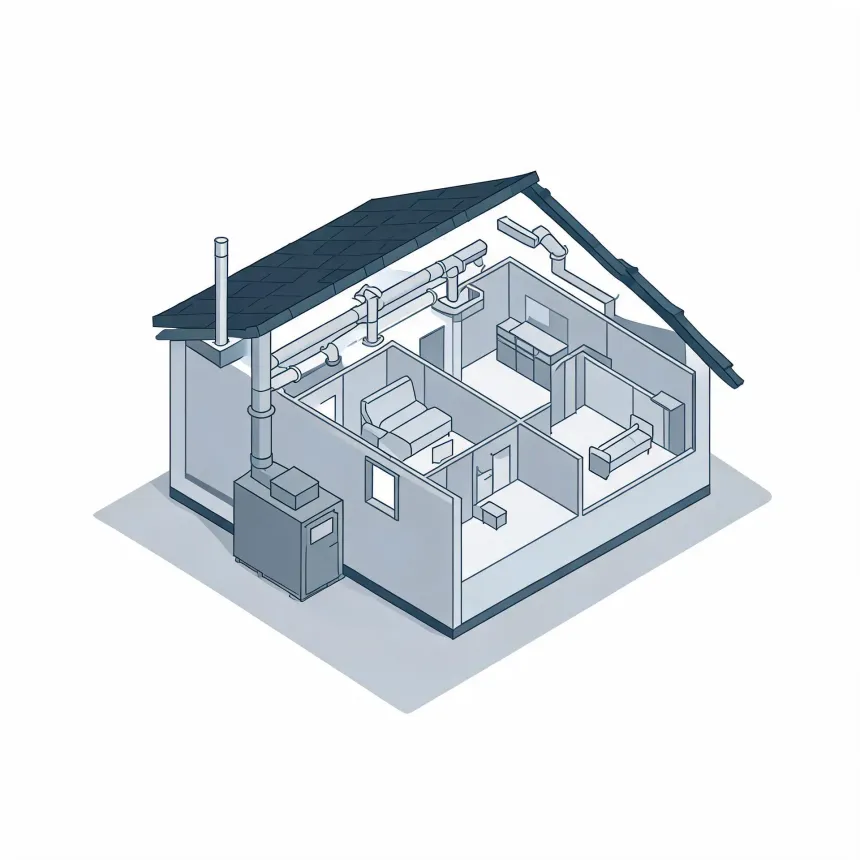
- A contractor removes the old furnace, air conditioner or heat pump and sets the new equipment in its place, then connects it to your ducts, refrigerant lines, gas or electrical supply, and venting. After that they test the system to make sure it's heating and cooling correctly and check for proper airflow and refrigerant charge. In most places around Charleston this work needs a permit from the local building office, and the job gets inspected once it's done. That inspection is there to confirm the installation was done to code, so it's worth asking upfront whether your contractor is pulling the permit.