Stop chasing a duct system pro
Why your house is so dusty in West Virginia
Dust that comes back a day after you wipe it down usually means your duct system is spreading it room to room, not just settling from the air. Humid summers here make it worse, since damp dust clings and builds up faster inside the ducts than you'd expect. This page gets into what's likely collecting in there and why. Once you send the request, a local contractor who works on duct systems takes it from here.
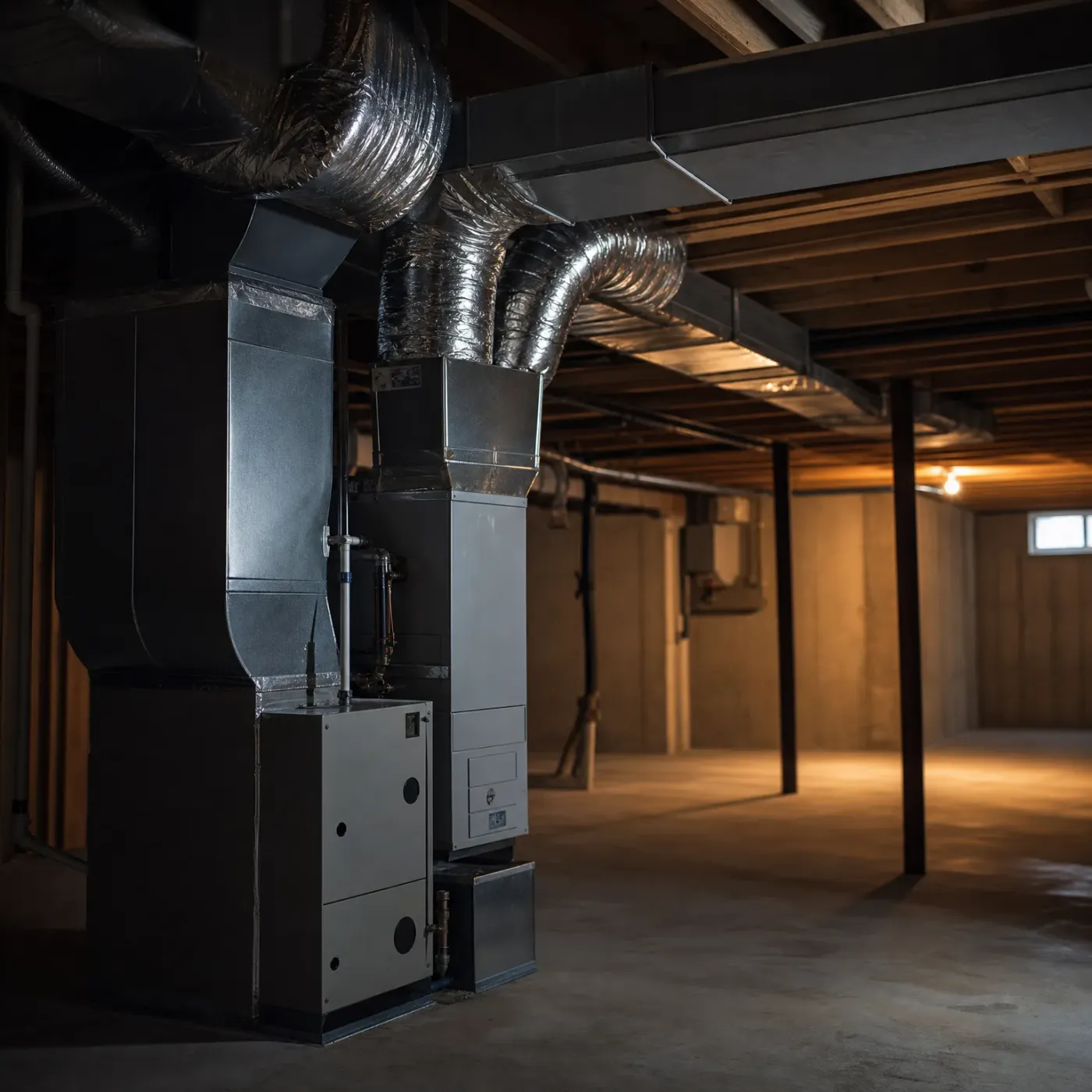
Hand off the searchDust building back up fast usually traces to the ductwork itself, not your cleaning habits. Every time the system kicks on, air moves through the same trunk lines and branches, and whatever is coating the inside of them, dust, pet hair, dander, gets pushed out into every room it feeds. With electric heat running most of the winter here and the AC working hard through the sticky summer months, that air moves through the ducts almost constantly, so there's more opportunity for buildup to break loose and circulate. A clogged or dirty filter won't stop this, since the filter only catches what passes through it, not what's already loose inside the duct walls. If you're wiping down the same shelf every few days, the dust is coming from somewhere upstream of the room. Getting the ducts cleaned out addresses the source directly, instead of managing the symptom room by room.
Electric heat moves air constantly
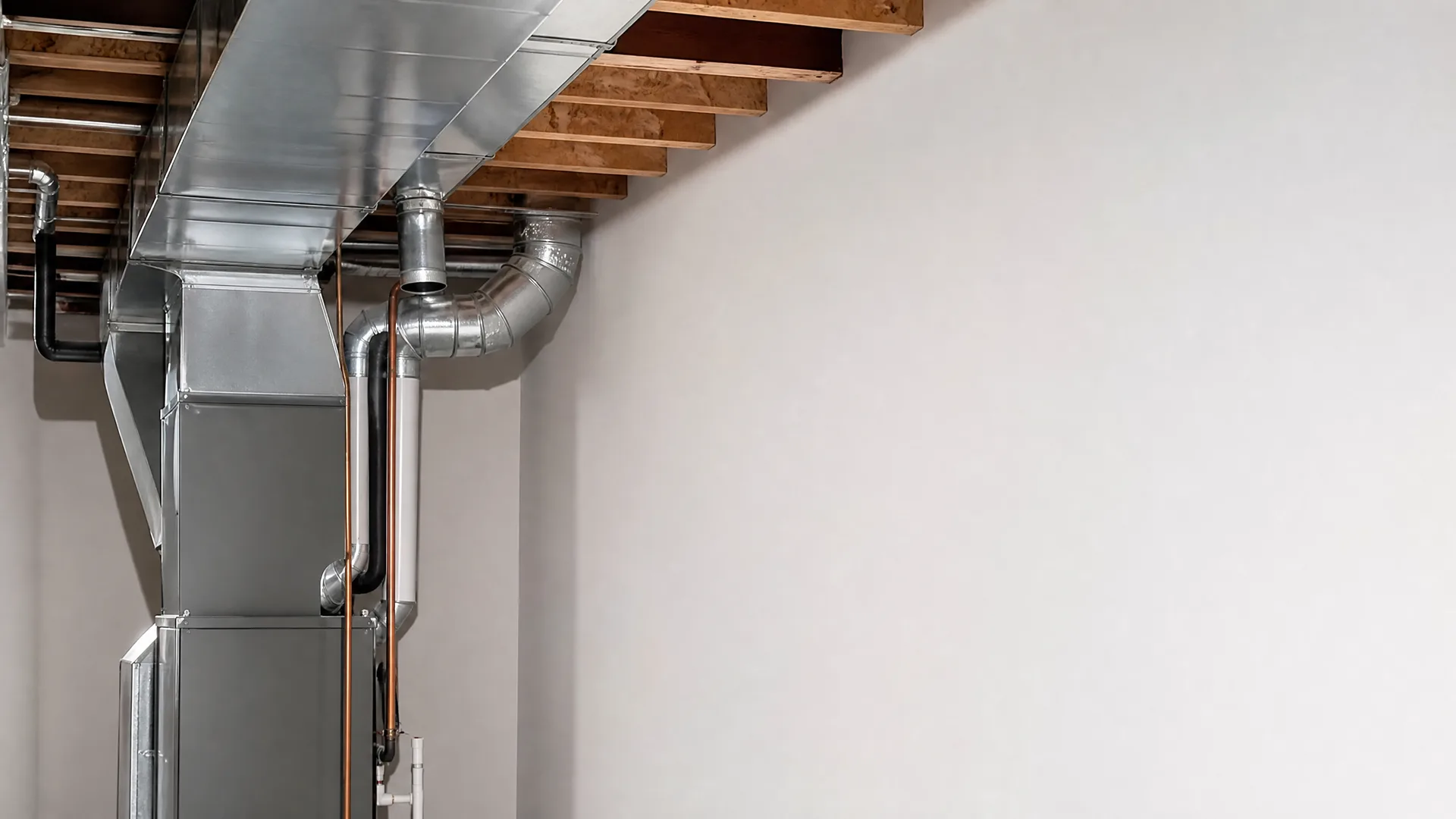
Most houses in West Virginia heat with electricity, and that kind of system cycles air through the same ducts over and over all winter. There's no pilot light or standing flame pulling air a different way. Every time the heat kicks on, it's pushing air through the same trunk lines that have been collecting dust since the last cleaning, which is part of why the dust keeps showing up in the same spots.
What a cleaning actually removes
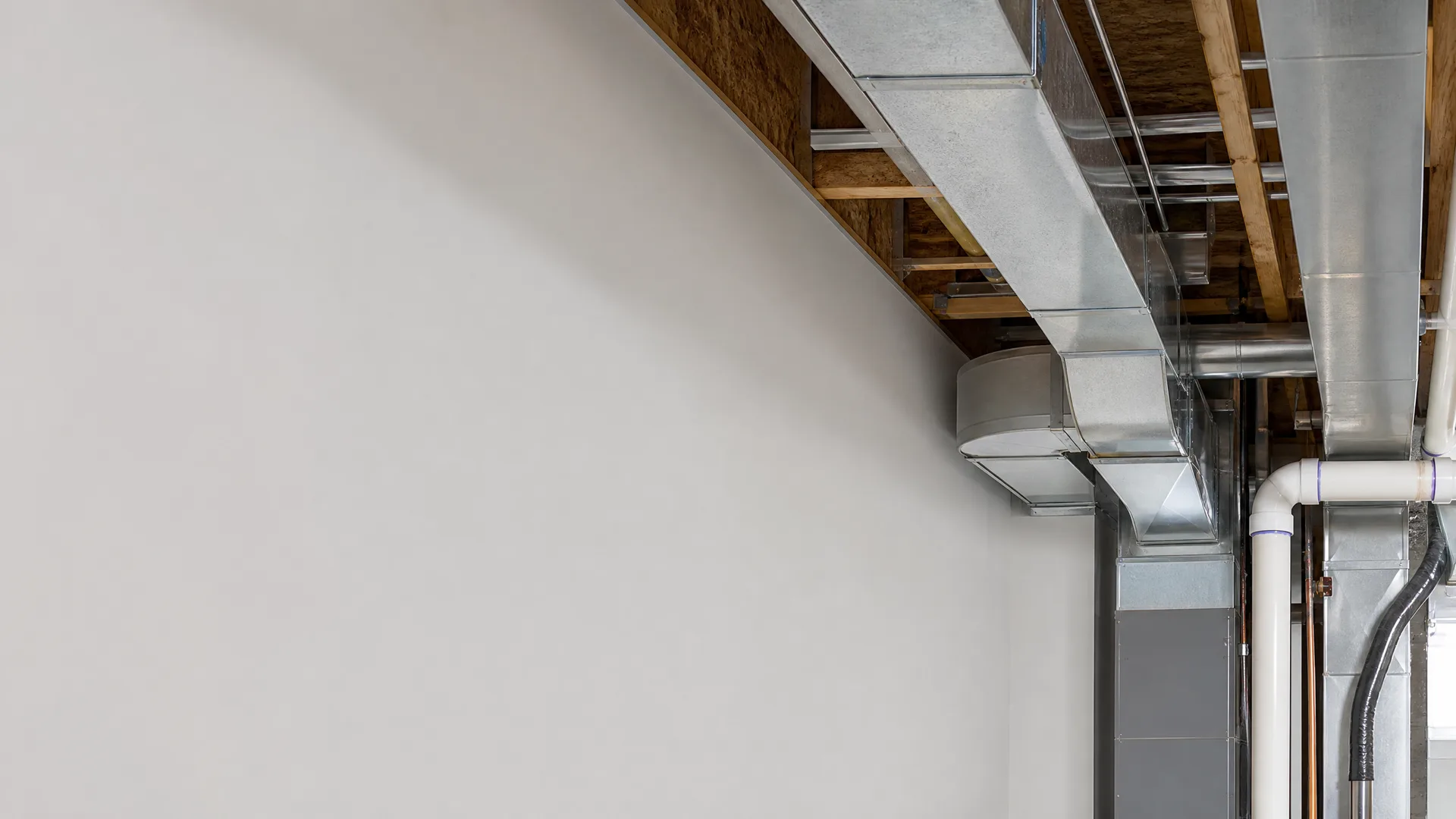
A duct cleaning clears the buildup sitting along the inside walls of the trunk lines and branches, the stuff your filter never touches because it's already past that point. It doesn't change your filter or your habits. It changes what's left inside the metal for the air to pick up every time the system runs. That's the layer that keeps settling back on your furniture no matter how often you dust.
Why does dust show up again so fast?
You dust the shelves on Saturday and by Wednesday there's a film on them again. You notice it on the TV screen, on the ceiling fan blades, in the corners where the vents blow. You might hear a faint rattle or ticking from the vents when the system kicks on, or notice the room by a supply vent gets dusty faster than the rest of the house. Some people start sneezing more at home than anywhere else, or notice it worse right after the heat or air kicks on. Left alone, that buildup gives dust mites and mold something to grow on, and whatever is loose in the ducts keeps getting breathed in by whoever is in the house most.
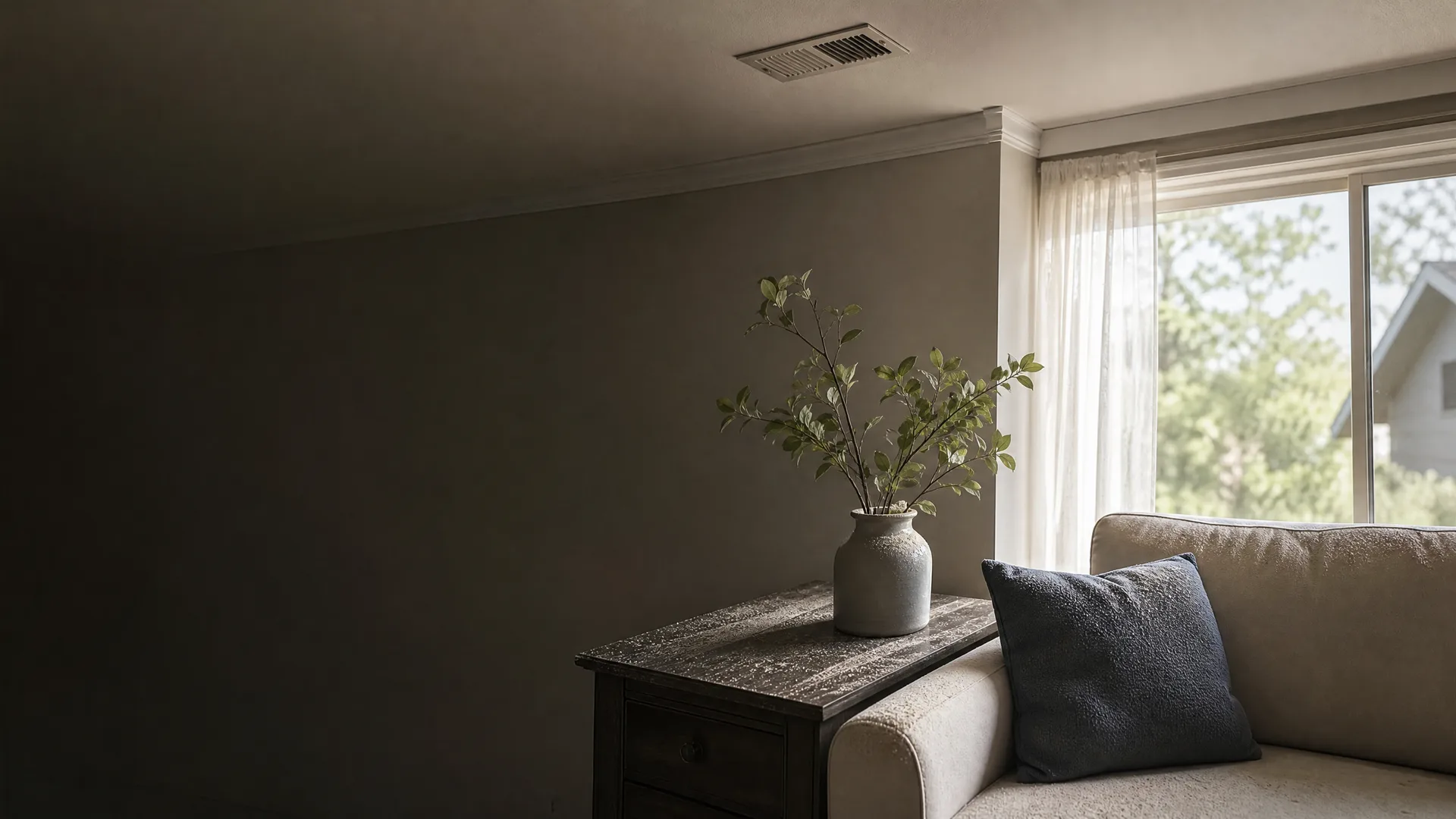
It's late March, sun coming in through the living room window, warm enough that you've got it cracked open. You're on the couch and you catch the light hitting the ceiling vent grille at an angle. The slats are gray with dust, thicker than you remembered. You run a finger along the end table underneath it and there's already a fine layer, even though you wiped it down a few days ago. The TV stand, the lamp base, same thing. You sit back down, look up at the grille again, and figure you'll deal with it this weekend. Then the form's filled out and it's off your plate, somebody local who works on these systems will take it from here.
Send one request and you're done looking

Your duct cleaning request goes to one local pro.
You're not committing to anything by asking.
Leaving it alone costs you nothing today. The dust keeps circulating, the ducts keep coating up, and the house looks the same as it did last week.
Having the ducts cleaned stops the dust at the source instead of chasing it off the furniture every few days. The buildup comes out once, and the air moving through the house afterward isn't carrying it back in.
Power costs 15.39 cents per kilowatt-hour statewide
At 15.39 cents a kilowatt-hour, running that electric furnace fan all winter isn't cheap, and coated ducts make the blower work harder to push the same air through. Clean ducts let it move freely, so the system isn't straining and spreading dust for no reason.
EIA-861 2025 statewide residential average
Where the dust is coming from
- Dust that resettles within days usually comes from inside the ducts, not from the air in the room.
- Electric heat here cycles the same air through the same trunk lines all winter, coating them more each month.
- Humid summers make that dust stickier, so it builds up on duct walls faster than dry air would allow.
- A furnace fan working against coated ducts spreads more dust, not less, as the buildup gets worse.
- Cleaning the ducts addresses where the dust is coming from, instead of wiping it off the furniture again next week.
- Left alone, the cycle repeats itself every time the system runs, whether it's heating or cooling the house.
You've seen what's behind the dust by now. It isn't a dirtier house than your neighbor's, and it isn't a sign you're falling behind on cleaning. It's the ducts. Electric heat pulls the same air through the same trunk lines all winter, and summer's humidity gives dust something to stick to on the way through. Every pass adds a little more to what's already coating the inside, and every cycle of the fan sends some of it back out into the rooms you just cleaned. That's why the shelf you wiped Saturday has a film on it again by Wednesday, and why it's not going to stop on its own.
A furnace fan doesn't know the difference between moving clean air and moving dirty air. It just pushes what's in front of it, and once the ducts are coated, what's in front of it is dust. Wiping surfaces treats what you can see. It doesn't touch what's inside the ductwork, so the cycle starts over the next time the system kicks on, heating or cooling, year round.
Cleaning the ducts gets at the actual source instead of the symptom. It's the difference between chasing dust around the house every few days and removing what's feeding it in the first place. Once the ducts are clear, the air moving through them stops carrying that buildup room to room, and what settles on your furniture is just what's in the air, not what the system has been adding to it.




Ductwork Cleaning
Finding a pro stops being your job
Your request goes to one pro, not a list of companies.
