A sealed duct system
Air moves in a closed loop between the return and the supply. What the blower pushes out is what it pulled in, nothing from the crawlspace or attic along the way.
 Hand it off
One request and the search for a pro is handled.
You dust the shelves on Saturday and by Wednesday there's a film on them again. In a house with ductwork, that dust isn't just settling from the air in the room. It's coming through the vents, pulled through the return, pushed back out through the supply, every time the system runs.
Dust in the ducts builds up over years. Some of it sits in the trunk lines. Some collects around the coil and blower where the air moves slowest. Every time the furnace or AC kicks on, some of that gets carried into the rooms you live in. With summers here sticky enough to run the AC for months and winters cold enough to keep electric heat running the other half of the year, the system in a Cabell County home doesn't get much rest. More runtime means more chances for dust to move.
A duct cleaning clears that buildup out at the source instead of leaving you to chase it room by room. It's worth having someone look at the whole system, the trunk lines, the coil, the blower compartment, not just the vents you can see, because dust sitting past the point you can reach with a vacuum keeps feeding right back into your air.
This isn't a job for a general handyman. It takes someone who works on duct systems regularly, who knows what a Cabell County system looks like after a few years of electric heat and summer humidity, and what usually needs attention when a house is dustier than it should be.
Send the form below and that search becomes someone else's job instead of yours. It goes to one local contractor, licensed to do this work, not a batch of companies competing for your callback. You stop digging through listings and wondering who's any good. That part is done once you hit send.
Most of the dust in your house is riding the air your duct system moves, and that system runs hard here. Winters are cold enough that heat runs for months, and summers get sticky enough that the air conditioner runs just as long to keep up. Every hour either one runs, air is pulled through the return, across the filter, and back out through the supply vents, over and over. A filter that's clogged or too thin to catch what it needs to lets fine dust pass straight through and settle on it again downstream. Loose duct joints pull in attic or crawlspace dust along with the air meant to be conditioned, and that dust rides every cycle through the house. If your vents haven't been cleaned since the system went in, the buildup inside is going back into the air every time the blower kicks on. A house that stays dusty no matter how often you clean usually has a duct problem, not a cleaning problem.
Half the homes here were built by 1971
Half the homes in Cabell County were built in 1971 or earlier, and ductwork that old has had decades to collect gaps and loose joints that pull in dust.
Heat runs October through April
Heat runs October through April here, about seven months of the year, and every one of those months pushes air through the same ducts that are feeding the dust.
Cooling runs June through September
Cooling runs June through September, so for four more months the system keeps moving air and keeps stirring up whatever is sitting in the ducts.
ACS 2020-2024 · NOAA nClimDiv 1991-2020
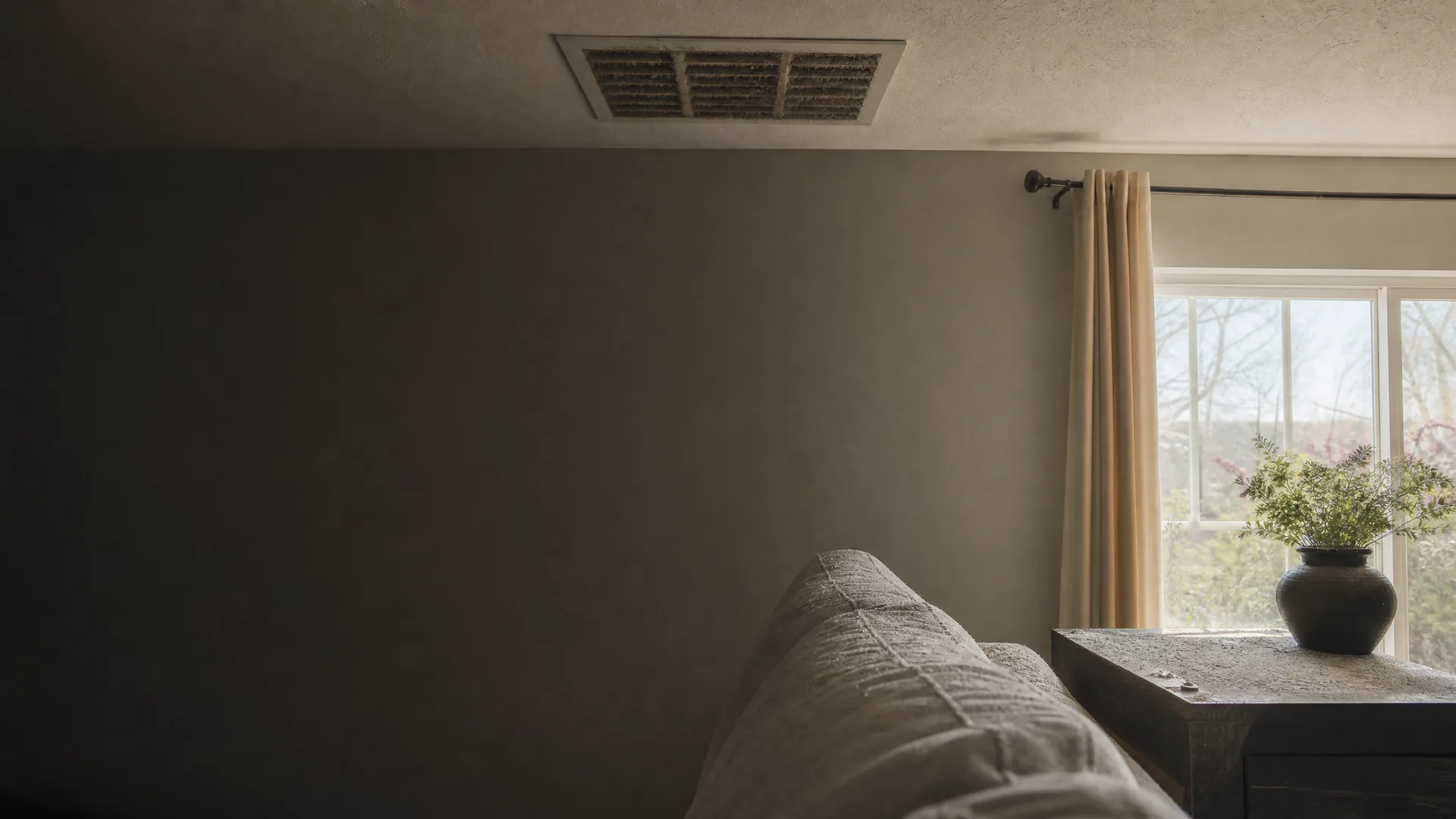
Saturday afternoon in April, you open the blinds and the sun cuts across the living room. That's when you see it on the ceiling vent, a gray film ringing the grille, thicker than you remembered. The register's been blowing warm air all winter, and now it's switched over for the first stretch of Huntington humidity. On the end table below it, a soft coat of dust sits on the lamp base and the remote. You run a finger along the grille slats and it comes away dark. The couch cushion closest to the vent shows the same film, faint but there. You just dusted this room on Saturday.
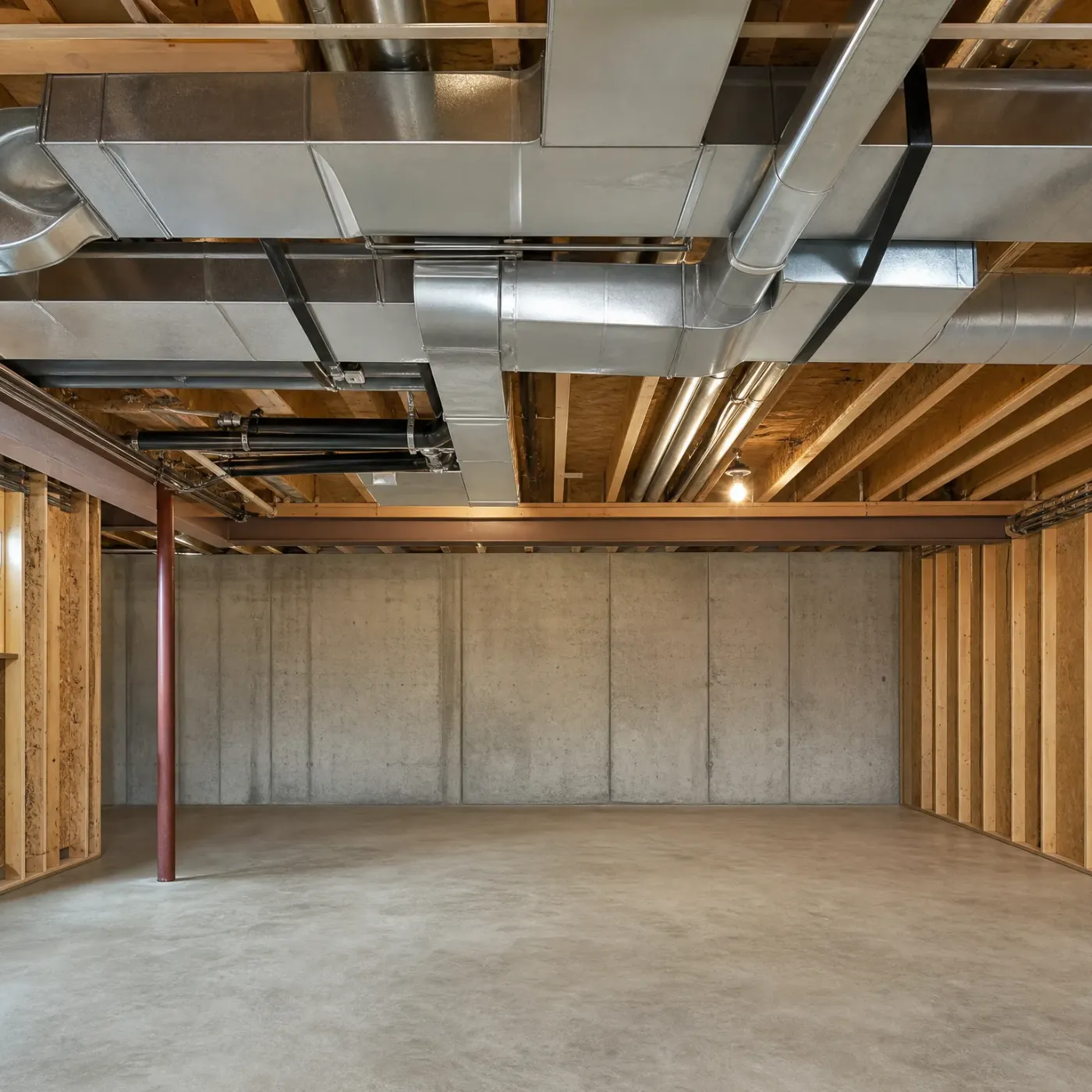
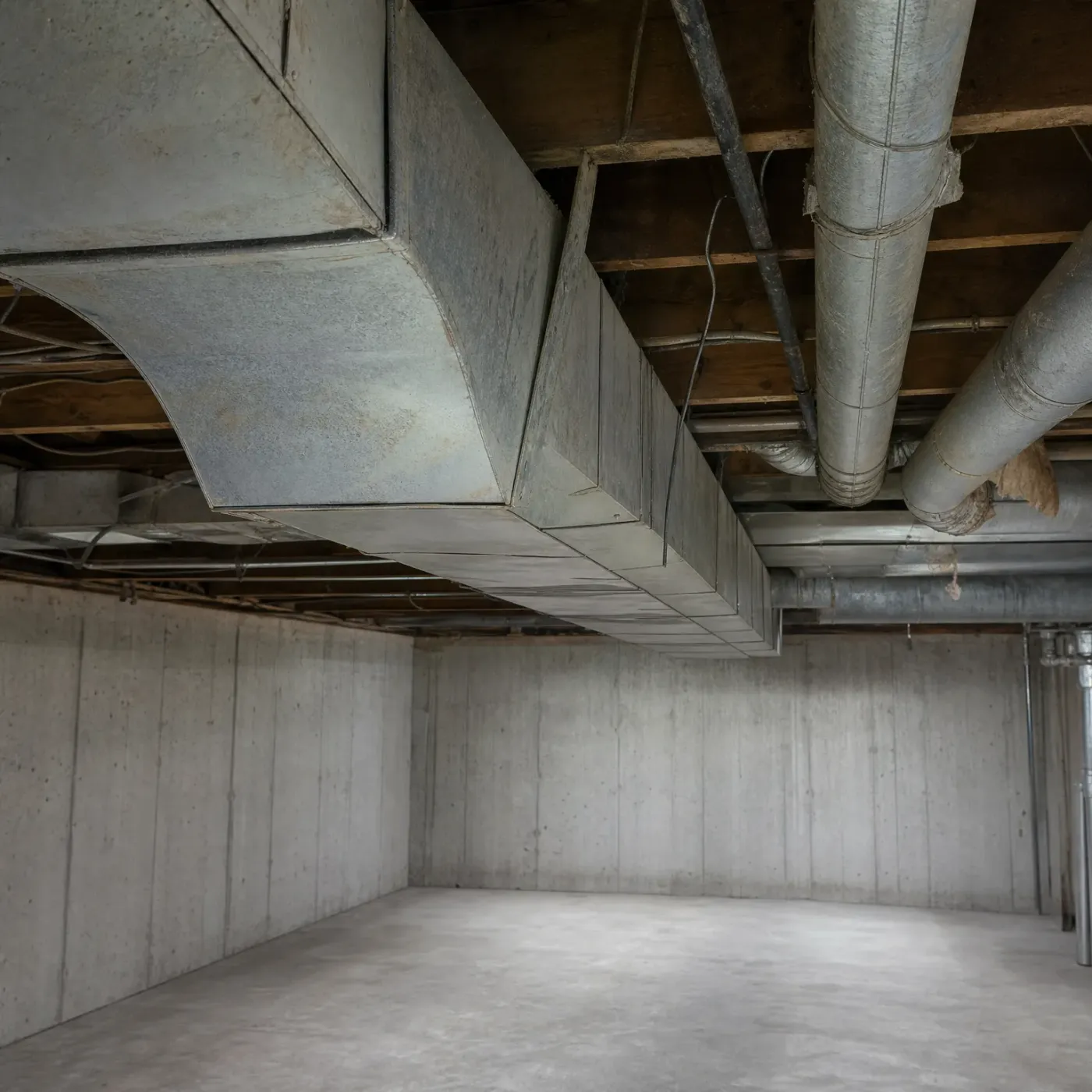
The blower is doing more work than most people picture. It pulls air in through the return, pushes it across the coil or heat exchanger, and sends it back out through the supply side into every room. That movement builds pressure inside the duct system, and the pressure shifts as the blower cycles on and off. Where the pressure is positive, like a supply duct running through a crawlspace or attic, a loose joint pushes air straight out into that space and into your rooms. Where it's negative, like most return ducts, a gap does the opposite. It pulls in whatever air is sitting around it, basement air, attic air, whatever's there. The filter can only clean what comes through the return grille. Anything entering downstream of that, through a leak in the supply side, skips the filter completely. With heat running seven months of the year here and the air conditioner picking up for several more, that unfiltered air isn't moving through your house once. It's cycling through thousands of times before the year is out.
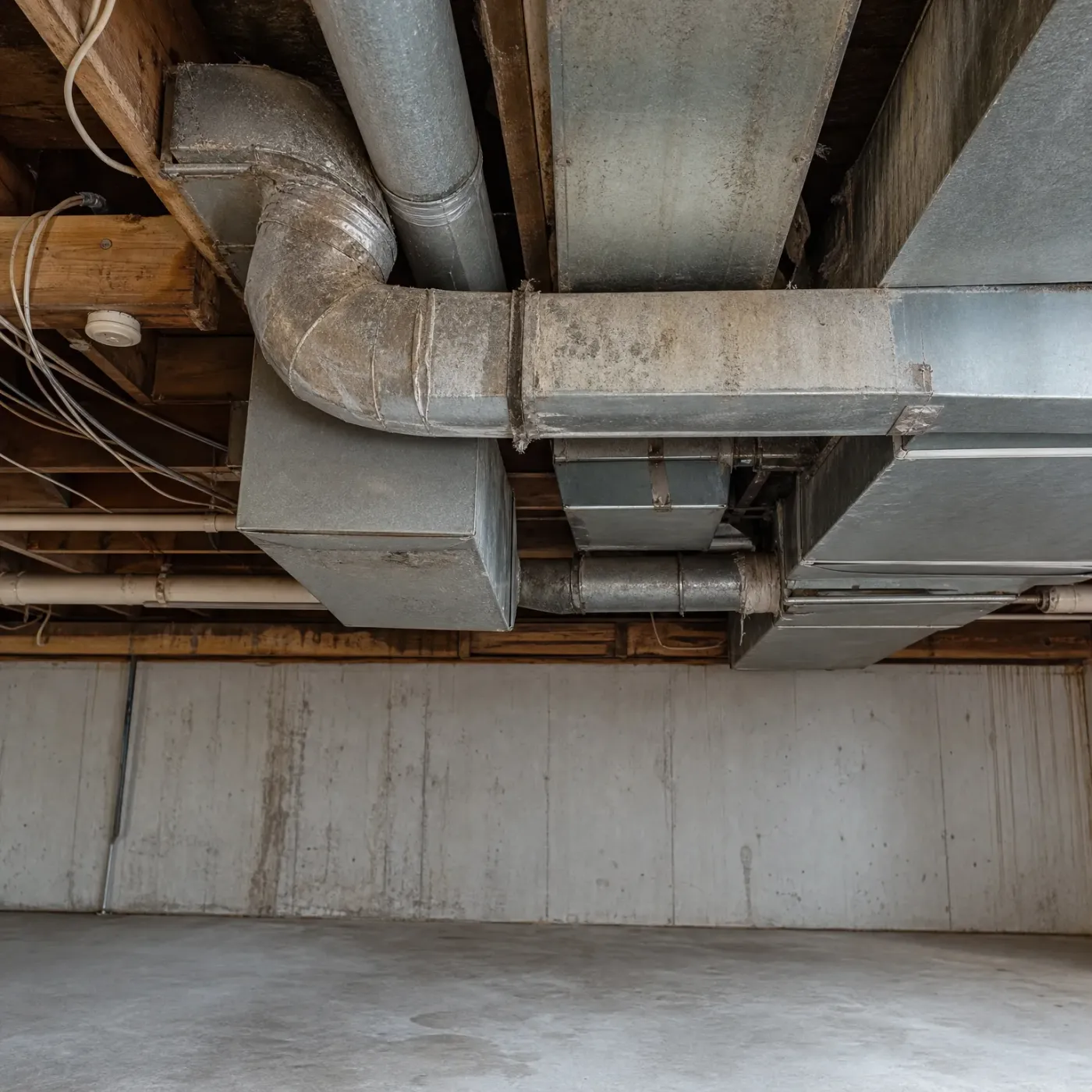
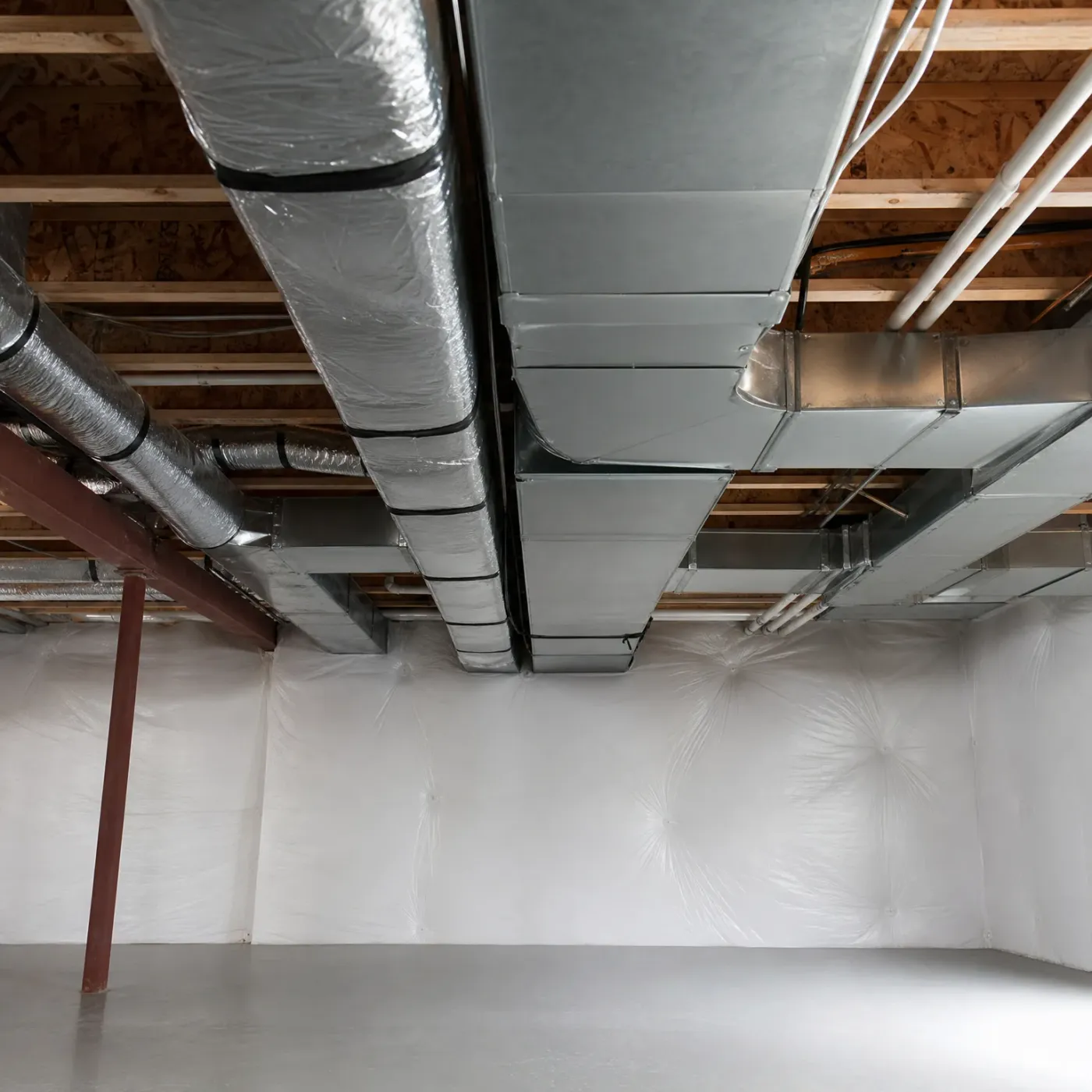
You already know the dust comes back faster than it should. What you can't see is which joint or seam in your own system is doing it, and that's not something you work out from the living room. A contractor who services duct systems in Cabell County every week knows where the old seams tend to give out first and what a return line pulls in from a basement or crawlspace. That's the kind of thing that's hard to guess at and easy for someone to check once they're standing in front of it. Send the request and it goes to one licensed contractor local to Huntington, not a handful of companies competing for your callback. You stay in the house another month and the film comes back on the vents. Hand it off now and it stops being something you have to figure out.
A duct system is sealed metal or board, built to move air without trading it with the spaces it passes through. Once a seam opens, the system no longer knows the difference between room air and crawlspace air, and it moves both the same way.
That's why a return pulling from a dusty basement can coat every room in the house within days, while a sealed one would only ever recirculate what was already clean enough to breathe.


Air moves in a closed loop between the return and the supply. What the blower pushes out is what it pulled in, nothing from the crawlspace or attic along the way.
Every cycle pulls in whatever is sitting in the crawlspace or attic, along with the room air, and pushes it out through the vents into the house.
You run a dust cloth over the TV stand and the windowsills, and inside a few days there's enough to write your name in again. Look closer at the supply vents and you'll likely see a dark ring building around the grille, not just a light coating. The return grille is worse, since that's the side pulling air in. If anyone in the house has allergies or asthma, you may notice more sneezing or a stuffy feeling indoors than seems right for a house that gets cleaned regularly. None of this is about how often you run the vacuum. It's about what the duct system is pulling in and pushing back out, cycle after cycle, all winter and all summer.
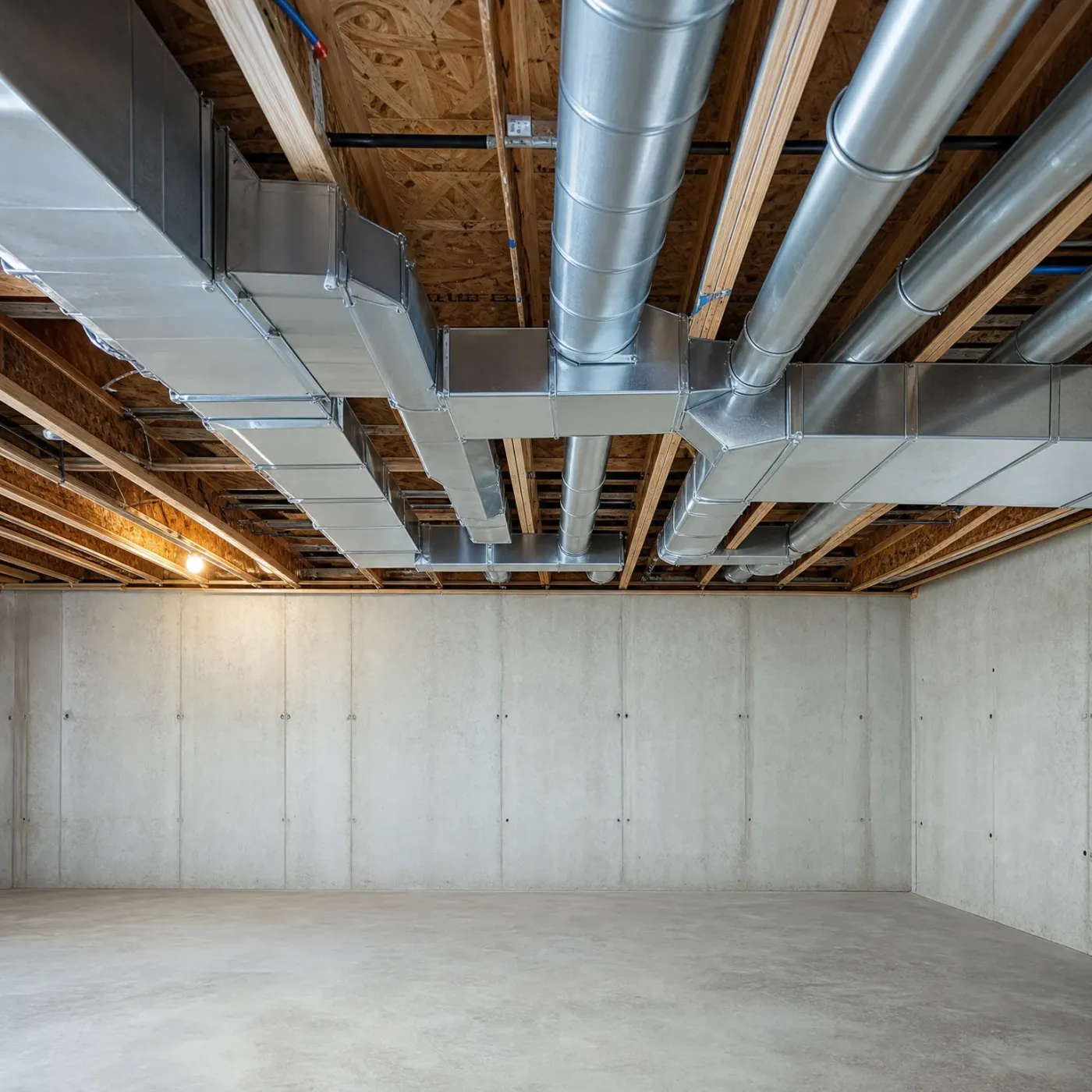
This is ductwork doing its job. The metal is tight, the joints are sound, and the system only moves the air it pulled from your rooms through the return. Nothing from the basement around it gets drawn in along the way, so what comes out the supply vents is the same air that went in.
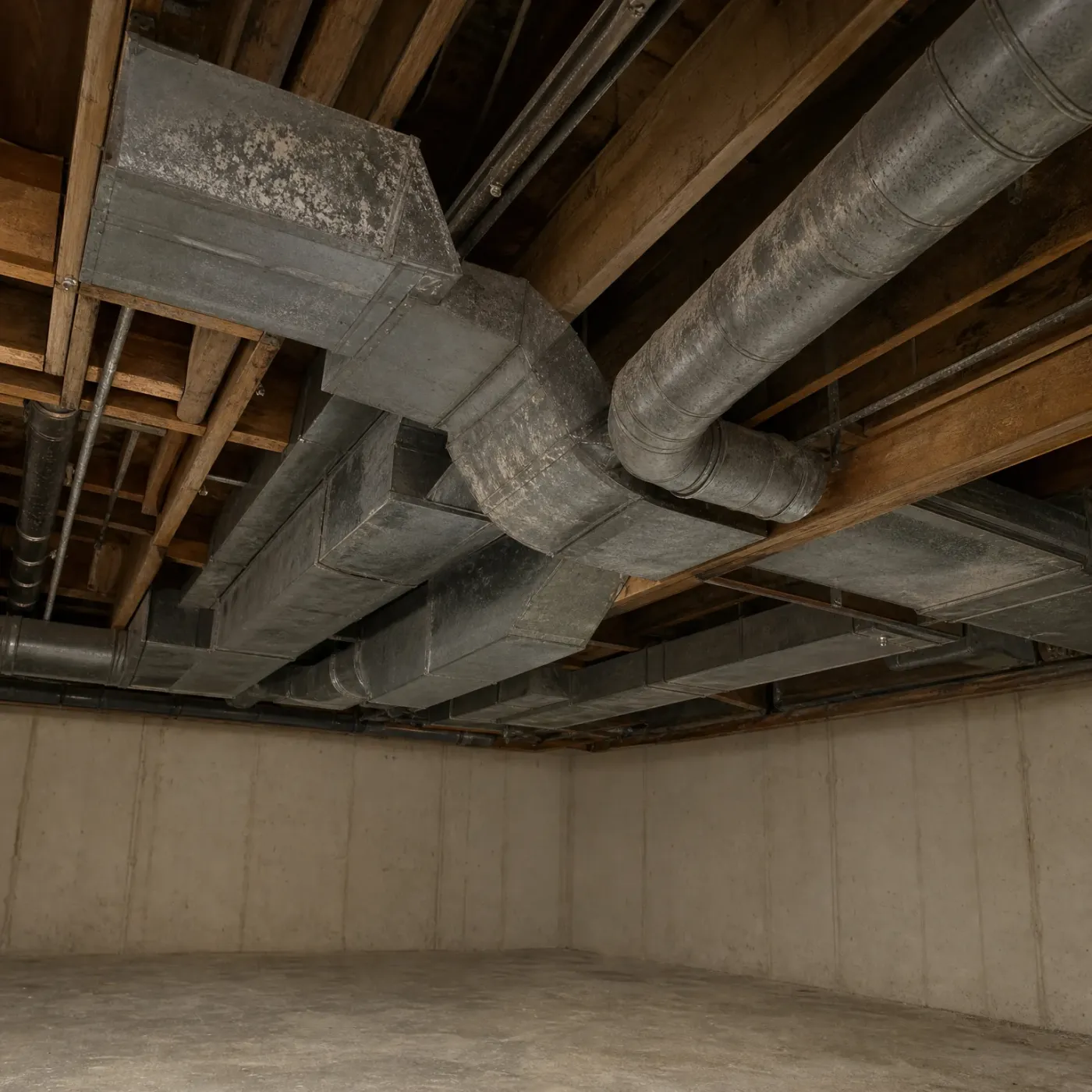
This ductwork has had years to work its seams loose. Every cycle pulls air through those gaps as easily as it pulls through the return, so the basement's dust rides along into your supply vents. The oxidation on the metal tells you how long these joints have been open.
Most homes here heat with electricity, and at 16.97 cents per kilowatt-hour, every extra hour your blower runs chasing dusty air costs you. A system working through loose seams cycles longer to hold the same temperature, and that's time your motor is pulling in grit and billing you for it.
EIA-861 2025
The film on your shelves isn't bad luck, and it isn't just a dusty house. It's a duct system with somewhere to pull air in that it shouldn't. A seam that's opened up, a joint that's sagged, a connection that's loosened over the years. Every time the blower cycles, air gets pulled through that gap along with whatever's sitting in the crawlspace or basement around it. Here in Cabell County that cycle runs for months at a stretch, winter and summer both, so a small gap gets a lot of chances to do damage. A tight system doesn't have this problem. Air goes out through the supply, comes back through the return, and nothing else gets added along the way. That's the difference between a house that stays dusty no matter how often you clean and one where dusting actually holds. The leak costs you twice. It's pulling in dust, and it's also making your system work longer to hold the temperature you set, which on electric heat means a bigger bill every month it goes unfixed. Cleaning the ducts out helps, but if the seams are still open, the dust comes right back. A contractor who checks the joints and seams can tell you which one it is, and whether your system needs sealing or just a cleaning. Either way, the first step is finding where the air's getting in.




It's off your list after this
The pro who reaches out is licensed in West Virginia.
