
AC Maintenance in Clarksburg, WV
Air conditioners here run from June through August, so May is the time for a tune-up. Tell us about your system, and a licensed contractor who covers Harrison County will get in touch.
Tell us about the job
It takes about a minute.
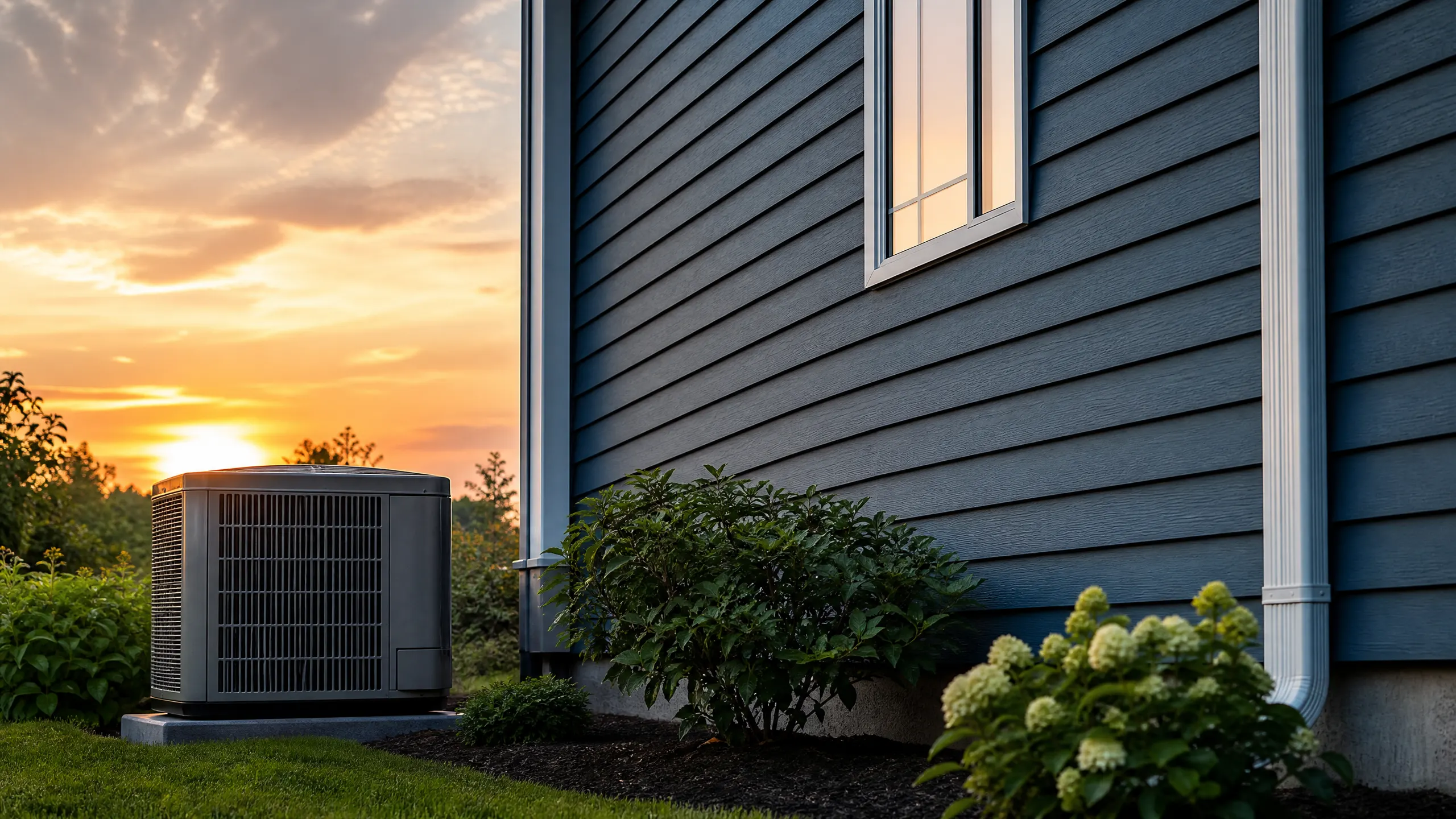
Three months of hard work, then a long stretch of sitting idle
Your air conditioner in Clarksburg only has June through August to earn its keep, and it runs hard those three months. Summer afternoons average 83°F, so on most days the system is cycling on and off for hours trying to keep up. That kind of steady demand puts real wear on the parts that keep it running, the capacitor, the contactor, the fan motor.
Then it sits idle the rest of the year, through storms that have brought 124 damaging wind events and 15 hail events to the area over the past ten years. A tune-up before summer catches what that idle stretch and last summer's heat load left behind, low refrigerant, a weak capacitor, a coil that needs cleaning, before the first hot week finds it instead.
- 3 months
- June through August, your air conditioner is on duty
- 83°F
- the average summer afternoon it cools against
- 15 hail events
- in ten years, and hail bends the fins on outdoor coils
- 124 wind events
- in ten years, and wind drives debris into outdoor units
NOAA nClimDiv, 1991–2020 normals

Book your AC tune-up in May, before homes here start needing cooling in June.
- Jan
- Feb
- Mar
- Apr
- May
- Jun
- Jul
- Aug
- Sep
- Oct
- Nov
- Dec
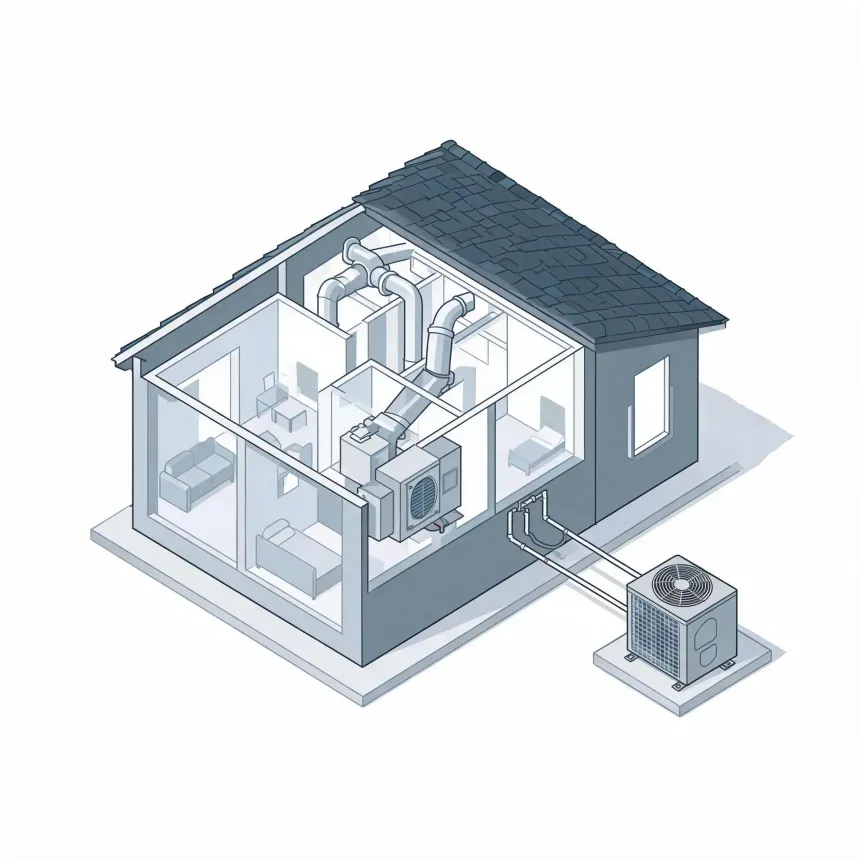
A tune-up checks the refrigerant charge, cleans the coils, tests the capacitor and tightens the electrical connections.
West Virginia requires HVAC contractors to hold a state license.
The Commissioner of Labor issues that license after testing the contractor, and the license is tied to the contractor rather than to any single job. It is a record of who the state has qualified to do this work, not a stamp that gets applied job by job.
For a maintenance visit on an air conditioner, the technician does not always need to open the refrigerant side of the system. But if the job does call for handling refrigerant, federal law requires that technician to hold EPA Section 608 certification, the same as anywhere else in the country. That certification is separate from the state license. One says the contractor is licensed to work in West Virginia. The other says the person touching the refrigerant is trained to do it without venting it into the air.
Source: West Virginia Legislature
- What does AC maintenance include?
- A technician checks the refrigerant charge, cleans the condenser coil, and tests the capacitor and contactor in the outdoor unit. They also check the evaporator coil, change or check the filter, and confirm the thermostat is calling for cooling correctly. Anything involving the refrigerant side has to be done by someone with EPA Section 608 certification, which every licensed contractor's technicians carry. The point of the visit is to catch a weak part before it fails on a hot afternoon.
- How often does an air conditioner need maintenance?
- Once a year, before the season it has to work hardest. Here that means getting it checked before June, since the unit only runs June through August and needs to be ready when those 83°F afternoons hit. A yearly check also gives a technician the chance to spot coil or wiring damage from wind or hail before it turns into a bigger repair.
- Is AC maintenance worth it?
- Yes, because a system that sits unused most of the year can develop small problems that only show up once it's asked to run. Dust settles on coils and electrical connections can loosen while the unit sits idle. A check before summer catches those issues while they're still small, so the system is ready for the 83°F stretch instead of struggling through it.