
HVAC Installation in Clarksburg, WV
A new system here will heat from October through May and cool from June through August every year. Tell us about the house, and a licensed contractor who covers Harrison County will get in touch.
Tell us about the job
It takes about a minute.
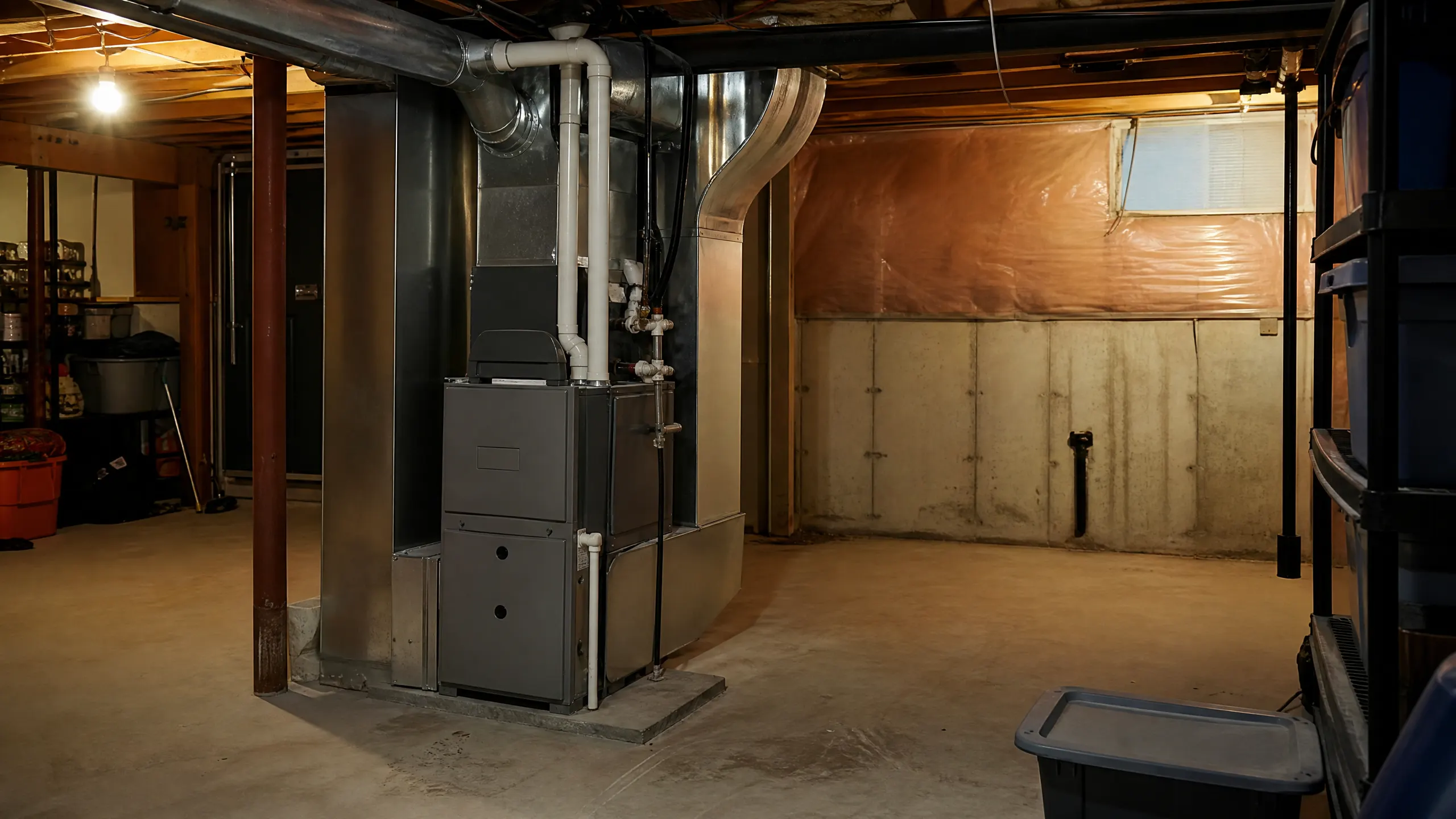
A new system here works nearly year round
Clarksburg needs heat or cooling 11 months of the year. Winter nights average 25°F from December through February, and your furnace or heat pump has to recover that fast, night after night, from October through May. Summer only asks for three months of cooling, but 83°F afternoons still put real load on a new system when it runs.
Most homes here heat with gas, so a new furnace has to be sized for those cold nights, not just the mild days on either end of the season. And with 35% of West Virginia households losing power for at least a day in 2024, and nine winter storms and 124 damaging wind events recorded here over the past ten years, what happens when the power drops matters as much as what happens when it's on.
- 8 months
- October through May, your system heats
- 3 months
- June through August, it cools
- 25°F
- the average winter night it heats against
- 83°F
- the average summer afternoon it cools against
NOAA nClimDiv, 1991–2020 normals
West Virginia requires HVAC contractors to hold a state license.
West Virginia licenses HVAC contractors through the Commissioner of Labor. The license is held by the contractor, not issued job by job, so it covers the business you hire rather than the specific work order for your install.
In most cities and counties, a job like this also needs a permit from the local building office, with an inspection once the furnace, air conditioner or heat pump is in. That inspection checks the installation itself, in your house. The license and the permit are two different things, and here both apply.
Source: West Virginia Legislature
- When should I replace my HVAC system?
- Replace it once repairs get frequent, uneven heating or cooling between rooms won't go away, or a technician tells you the same part keeps failing. Age matters too, since older systems break down more often and parts get harder to find. Homes here need heat from October through May and cooling through the summer, so a system that struggles in either season is working hard most of the year. If yours is old and facing a major repair, replacing it on your own schedule beats waiting for it to fail on a cold night.
- Should I replace my furnace and air conditioner at the same time?
- If both units are old, replacing them together is usually the better approach. A furnace and air conditioner installed at the same time are matched to work with each other, and pairing a new furnace with an old worn-out coil can mean the new equipment never runs as well as it should. It also means one visit from the contractor and one round of permits and inspections instead of two. If one unit is only a few years old and still working fine, there is no reason to replace it just because the other one failed. A contractor can look at the age and condition of both and tell you honestly whether pairing them makes sense.
- What happens during an HVAC installation?
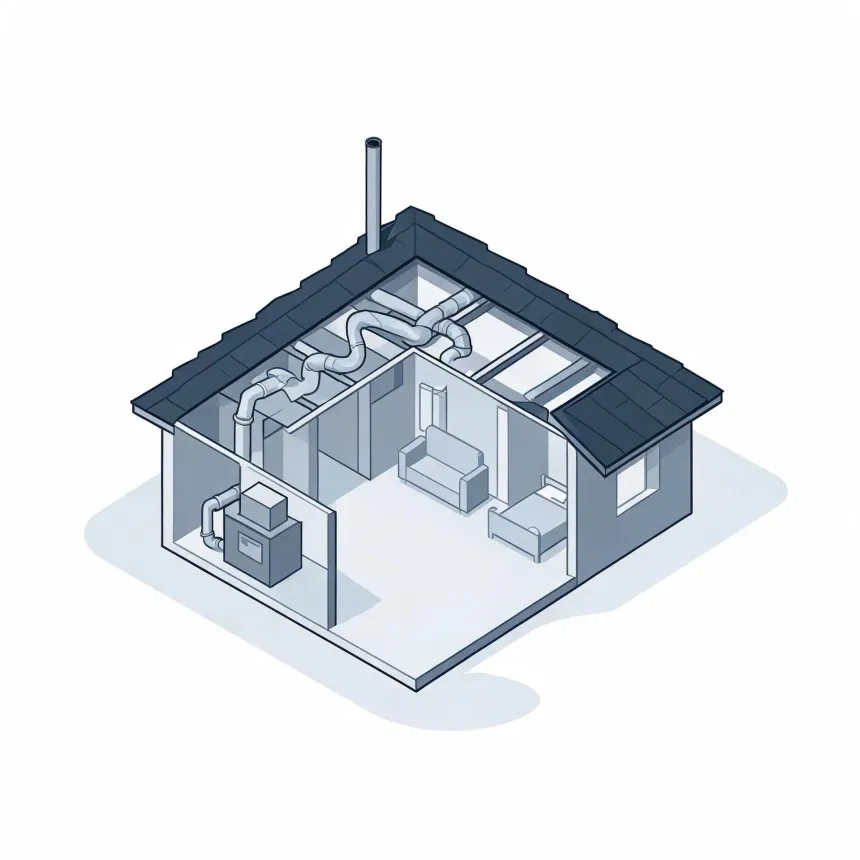
- A contractor starts by sizing the new equipment to your house, since a furnace or air conditioner that is too big or too small won't heat or cool evenly. The old equipment gets disconnected and removed, then the new unit is set in place and connected to your ductwork, gas line or electrical circuit, and, for air conditioners and heat pumps, the refrigerant lines. Once it's running, the contractor tests it, checks the airflow, and walks you through the thermostat and any settings specific to the new system. Replacing a furnace or air conditioner here needs a permit from the local building office and an inspection once the work is done, and West Virginia requires the contractor doing the work to hold a state license.