

What to do when the heat goes out in West Virginia
After you send the request, you're done searching.
Hand off the searchWhat do I do when my furnace stops heating in the winter?
A furnace that quits in January is different from one acting up in October. Most homes in West Virginia heat with electricity, so when the system stops, there's no backup burning in the kitchen stove to keep the place bearable. You're probably checking the thermostat, maybe the breaker, before you call anyone. That's the right instinct. Some of what stops a furnace cold is simple enough to rule out in a few minutes, and knowing which parts to check first tells you how serious this is.
Check the thermostat and breaker, then call for repair if the furnace still won't run
Start with the thermostat. Make sure it's set to heat and the temperature is above room temperature, and check the batteries if it has a screen that's dim or blank. Next, check the breaker panel. Electric furnaces draw a lot of current, and a tripped breaker is one of the most common reasons one stops working with no warning. If the breaker holds and the thermostat looks right but you still get no heat, the problem is inside the unit itself, a failed heating element, a bad blower motor, a control board issue, and that's not something to keep testing on your own. In West Virginia winters, a furnace that stays down for days is a real problem, not just an inconvenience.
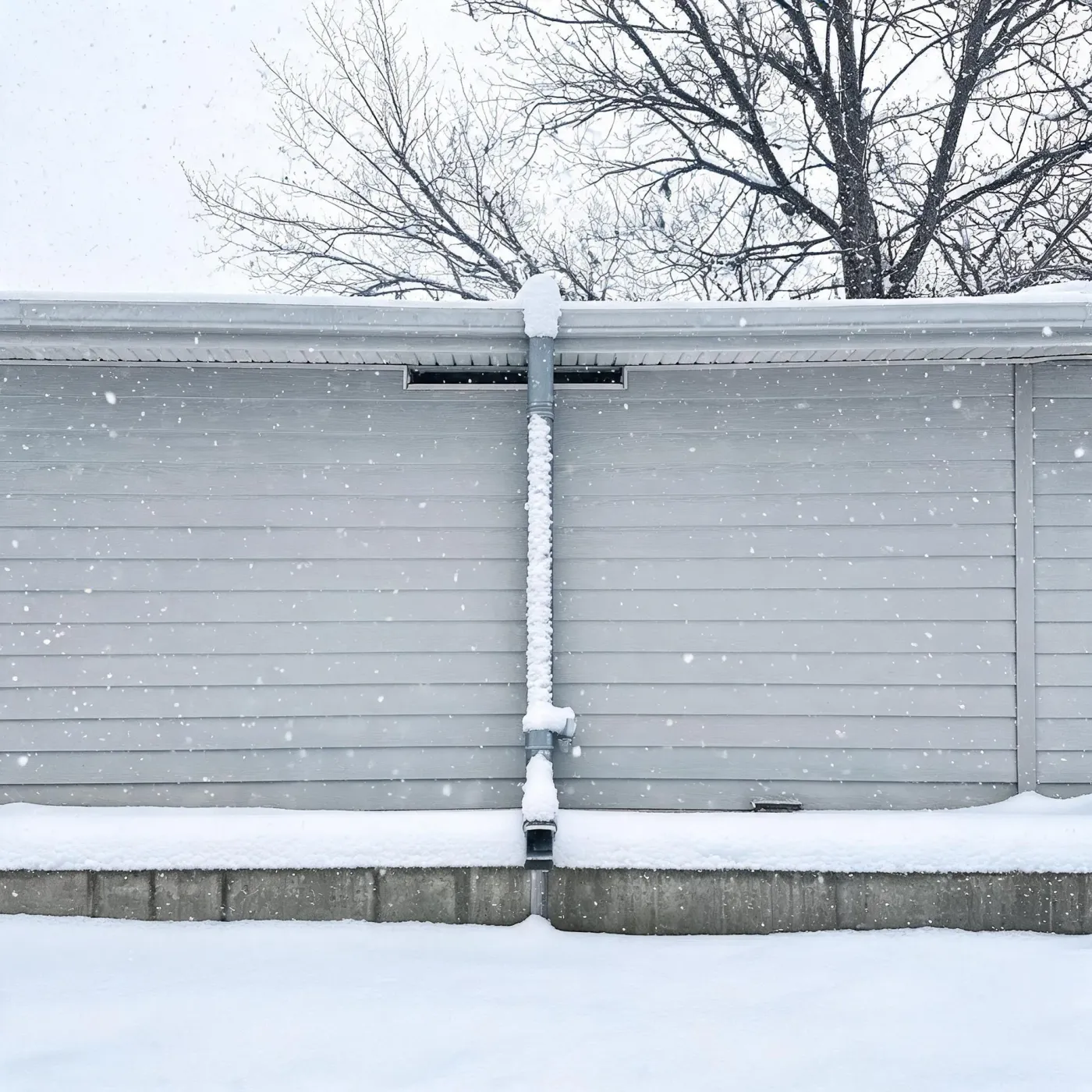
Winter nights here average 25°F statewide, according to NOAA climate data. At that temperature a furnace that quits does not give you much time to think it over. A house can lose its warmth fast once the system stops pushing heat, and with most homes here running on electric heat, there is no gas stove or fireplace backup to lean on in the meantime. You might notice rooms cooling within an hour, pipes along outside walls getting cold to the touch, or a thermostat that keeps calling for heat that never comes. Those are the nights a small furnace problem turns into a real one if it sits too long.
NOAA nClimDiv 1991-2020 county normals weighted by homes
Why does my house feel colder than usual tonight?
You might notice the air coming from the vents has gone cool, or stopped moving at all. The thermostat still shows a number, but the house doesn't match it anymore. Rooms farthest from the furnace go cold first, and you'll feel it at your hands and feet before the thermostat catches up and says so. Some furnaces click and try to start without ever producing heat. Others go dead quiet, no hum, no airflow, nothing. If this drags on overnight in a West Virginia winter, pipes along outside walls are the first thing at risk, along with anyone in the house who can't handle the cold well, young kids or older adults especially.




Hand off the search today
A furnace that quits on a cold night in West Virginia is not something to sit with while you think it over. Once you know what's wrong, or even if you don't, the next step is getting someone qualified to it, and that's the part that eats your evening. Calling one company after another, describing the same cold rooms and the same dead vents three or four times, waiting on quotes that come back at different prices for who knows what reason. None of that warms the house. Send the request through and that search is off your plate. You're not the one tracking down who's available or sorting through who called back first. One contractor gets your information and takes it from there, while you deal with the actual cold instead of the phone. With electric heat and no backup burning anywhere in the house, the sooner that handoff happens, the sooner the house stops working against you.
Where this leaves you
- A furnace that stops heating at 25°F outside needs a fix the same night, not a wait and see.
- A cold flame sensor or a tripped limit switch can look like a dead system when it isn't.
- Rooms far from the furnace cool first, and that's a clue about airflow, not a separate problem.
- With most homes here running on electric heat, there's no backup burner to fall back on once it quits.
- Sending one form replaces calling around to find who's free tonight and explaining the problem over and over.
- What's wrong matters less right now than how fast someone qualified can get to it.
A furnace that quits at 25°F is a same-night problem, not a wait-and-watch one. You've seen why: a cold flame sensor or a tripped limit switch can shut a system down and look identical to one that's truly dead, and the room-by-room cooling you're feeling is airflow telling on itself, not separate trouble in every room. None of that changes what happens next. With electric heat running most homes here, there's nothing else kicking in to hold the house over while you sort it out.
What you decide tonight isn't which part failed. That's for whoever shows up to figure out. What you decide is how fast you want someone there. Left on your own, that means calling a few numbers, waiting on hold, telling each one what the thermostat's doing and what you've already checked, then doing it again for the next name on the list, and still not knowing who's actually free tonight until you ask.
Sending one form skips all of that. You explain it once. The matching happens behind the scenes, and someone free to come takes it from there. You're not left holding the search while the house keeps losing heat.
The furnace itself still needs a hand to fix it. But finding that hand is no longer something you have to do yourself, room by room, call by call.

Furnace Repair
Hand off the furnace problem

- Tell a local repair pro what your furnace is doing.
- Describe your furnace job, and a local pro who handles it gets in touch.

- After this form, you can stop searching for a furnace pro.
- One request and the search for a pro is handled.

- Explain the job once and skip repeating it on every call.
- Skip searching for a furnace pro and answer a few questions instead.

- Your request stays with one local pro.
- Your request goes to one pro, not a list of companies.