








Dryer taking too long to dry in Parkersburg, WV

Skip the calls

A dryer that takes two or three cycles to get clothes dry usually means the vent is clogged somewhere between the drum and the outside wall. In Wood County, finding someone who actually clears the line instead of just cleaning the lint trap area means calling around, explaining the same problem to each one, then sorting through quotes that are hard to compare without seeing the work. You can skip that. Submit your request here and it goes to one licensed local contractor, not a handful of companies competing for the job, so your phone isn't ringing off the hook with sales calls. Someone who services vents in this area through muggy summers and cold winters knows what usually blocks them and where to check first. You explain the problem once, to the person who's going to look at it.

Why is my dryer taking two or three cycles to dry clothes?

You have started a load, come back expecting dry clothes, and found them still damp. Running it again gets you partway there, or sometimes not even that. It is not just one bad load either, it has been happening for a while now, and you are left wondering if the dryer itself is wearing out or if something else is going on that you have not noticed yet.

It almost always means the vent is clogged, not the dryer

When a dryer needs two or three cycles to finish a load, the heating element and the drum are usually fine. What is not fine is the airflow. Lint builds up inside the vent duct, in the elbows, or where the line exits the wall, and the dryer can't push damp air out fast enough to dry the clothes in one pass. Every cycle traps more heat and moisture inside the drum instead of venting it outside. In Wood County, where summers run humid, a partly blocked vent struggles even more because the air it is pushing out is already heavy. Left alone, this gets worse, not better, since lint keeps collecting on whatever is already stuck there.

A metal hooded dryer vent with a louvered opening mounted on gray horizontal lap siding, next to a plain off-white wall.

What a clogged vent does

A dryer pushes hot, wet air out through a vent that runs from the back of the machine to the outside wall. When lint packs that line, the air has nowhere to go. The drum keeps turning and the heater keeps running, but the moisture just sits in the drum with the clothes. That is why a second cycle sometimes finishes the job and sometimes does not. It depends on how much of the line is actually blocked.

A stainless steel hooded dryer vent screwed to light gray horizontal lap siding, with a blank white wall occupying the left side of the frame.

Why the flap outside matters

Step outside and look at the vent hood on the wall. The flap should open and swing freely when the dryer runs. If it barely moves, or you feel weak air coming off it with your hand up close, that confirms the blockage is somewhere in the line rather than in the dryer itself. Homes in Wood County with longer runs from the laundry room to an outside wall tend to collect more lint along the way, especially where the line bends.

Is this what's happening in your laundry room?

Touch the clothes after a cycle and they come out hot, almost too hot to fold right away, but still damp at the seams and waistbands. The top of the dryer feels warm, sometimes more than warm. You open the door partway through and a wall of heat comes out, more than you remember from a normal cycle. The laundry room holds a musty smell that was not there before, or you notice it only when the dryer has been running a while. Check the outside vent hood while a load is running. If you feel little or no air moving against your hand, the line is blocked somewhere between the wall and the drum, and the dryer running hot like that with nowhere for the air to go is how vent fires start.

A smiling woman with long brown hair in a dark sweater sits at a light stone kitchen counter with a glass of red wine, with a dimly lit living room in the background.
A smiling woman with dark hair pinned up, wearing a beige sweater, sits looking off to the side in a kitchen with a glass of red wine in front of her, a stainless steel refrigerator, marble counter and a potted plant behind her.
A smiling woman with dark shoulder-length hair in a navy sweater sits at a kitchen counter with a glass of red wine, with a lit living room and pendant lights behind her.
A woman in a dark gray sweater laughs while seated at a white marble counter with a glass of red wine, with a blurred living and dining room behind her.

No calling every shop in Wood County

A clogged vent does not clear itself, and running more cycles to force it just adds more lint and more heat to a line that already can't breathe. Finding someone who will actually run a brush the full length of that vent, not just vacuum the trap, means sorting out which outfits in Wood County do the whole job. That usually means calls, repeating what the dryer's been doing, and sitting on quotes that don't say the same thing. Submitting the request here sends your situation to one local contractor who works on vents like this all season and knows where the lint tends to pack in homes around Parkersburg, whether that's a long run to an outside wall or a few tight turns in the line. No sorting through multiple bids, no explaining the problem more than once. You still have a dryer running hot and clothes coming out damp. That part does not wait.

How the vent line actually clogs

  • A dryer vent run longer than 25 feet needs extra airflow to clear moisture, and every elbow in the line cuts that airflow further.
  • Rigid metal duct moves air better than flexible foil or plastic duct, which sag and trap lint at the low points.
  • The exterior vent hood has a flap that should swing open fully when the dryer runs and snap shut when it stops.
  • A booster fan sometimes gets added mid-run on long vent lines, and lint builds up around that fan first.
  • Birds and wasps build nests inside exterior vent hoods when the flap sticks open or gets knocked loose.
  • A vent cleared at the trap but not at the wall cap still chokes the dryer because the blockage sits further down the line.

Lint does not build up evenly along a dryer vent. It collects where the airflow slows down, and airflow slows at every bend and every foot of distance from the drum to the outside wall. A run over 25 feet is already working harder than a short one, and each elbow in that run adds the same kind of drag a kink in a hose would. The duct material matters too. Rigid metal holds its shape and keeps a smooth path for air. Flexible foil or plastic duct sags over time, and lint settles in those low spots the same way sediment settles in a pipe. Where the line ends matters as much as how it runs. The vent hood on the outside wall has a flap that is supposed to open wide when the dryer is running and close flat when it is off. A flap that sticks, whether from lint, rust, or a knock from a lawnmower or ladder, leaves an opening that birds and wasps treat as a ready-made nest site. On longer runs, some setups add a booster fan partway down the line to push air the extra distance, and that fan's housing collects lint faster than the straight duct around it. A dryer can get cleaned out at the trap and still run hot and slow if the actual blockage sits ten or twenty feet further down, at the fan, at an elbow, or at the cap itself.

A smiling bearded man in a dark green sweater sits at a dinner table with a glass of red wine, a bowl of salad and a lit candle in the foreground, in a dimly lit room with a framed picture, lamp and potted plants behind him.
A woman in a cream knit sweater reclines on a sofa with her eyes closed and a slight smile, a closed dark book resting on a blanket in the foreground and a lit lamp and small potted plant behind her.

What does a slow dryer actually cost your house?

  • 2.3 people per household on average

    With 2.3 people in the average Wood County household, that's a load of laundry most days, and every extra cycle on a clogged vent adds up fast.

  • Half the homes here were built by 1970

    Half the homes in Wood County were built in 1970 or earlier, old enough that the vent run was likely set up before anyone thought about clearing it.

  • Power here costs 14.31 cents per kilowatt-hour

    At 14.31 cents per kilowatt-hour, a dryer running two or three cycles instead of one is pulling power the whole extra time, not just sitting idle.

ACS 2020-2024 · EIA-861 2025

A metal hooded dryer vent with a louvered opening mounted on beige horizontal lap siding above a concrete foundation wall.

The vent cap swings open and shuts

Air pushes the flap open when the dryer runs, and it falls shut when the cycle ends. Nothing blocks the opening. Walk outside while the dryer is going and you should feel warm air moving out steady, with no smell of lint sitting in the line.


A white hooded dryer vent mounted on horizontal lap siding, with a thick mass of gray lint clogging the opening beneath the hood.

The flap can't close anymore

Lint has built up enough to prop the flap open on its own, dryer running or not. That gray mass is years of buildup the airflow was too weak to push out. Everything after that point, the drum, the heater, the moisture, is working against a line that's already full.

A white plastic dryer vent hood mounted on beige horizontal vinyl siding, with lint clogging its lower opening and a concrete foundation below.
Before you get your dryer vent cleaning
A white louvered dryer vent hood mounted with four screws on beige horizontal lap siding above a gray stucco foundation and concrete walkway.
After you get your dryer vent cleaning

2.3 people per household on average

With just over two people in most Wood County households, laundry still piles up most days of the week. That's a lot of loads pushing wet air through the same vent, and a clogged run gets worse faster than a household of one or two would ever notice.

ACS 2020-2024

A white hooded dryer vent with a louvered grille screwed to beige horizontal lap siding above a lighter foundation wall.
The flap opens, warm air pushes out steady, and it closes again when the cycle ends.
A wall-mounted plastic dryer vent hood on light-colored horizontal vinyl siding, clogged with lint and debris hanging from its opening, above a gray painted foundation.
Lint has packed the hood solid, and what's built up there looks like it could hold a nest.
  1. A technician checks airflow at the exterior vent hood first.

  2. A brush feeds through the full vent line from outside.

  3. The brush runs the line in sections to break up packed lint.

  4. Loosened lint gets pulled out with a vacuum at the vent opening.

A dryer that needs two or three cycles has a blocked vent, and clearing that line fixes it. That is the whole answer. What changes the outcome is who clears it. A tech who works vent lines all over Wood County every week knows where lint actually packs, the low spot in a sagging section of flex duct, the bend behind the exterior wall, the hood that only looks fine from the yard. That is not guesswork learned in a classroom, it is pattern recognition from doing this on houses like yours season after season. You are matched with one licensed local contractor for this job, not a handful of companies bidding for your number, so you explain the problem once and talk to one person who already knows what to check first. The vent either clears and the airflow comes back, or there is something further up the line worth finding now rather than after another winter of damp towels and long cycles.

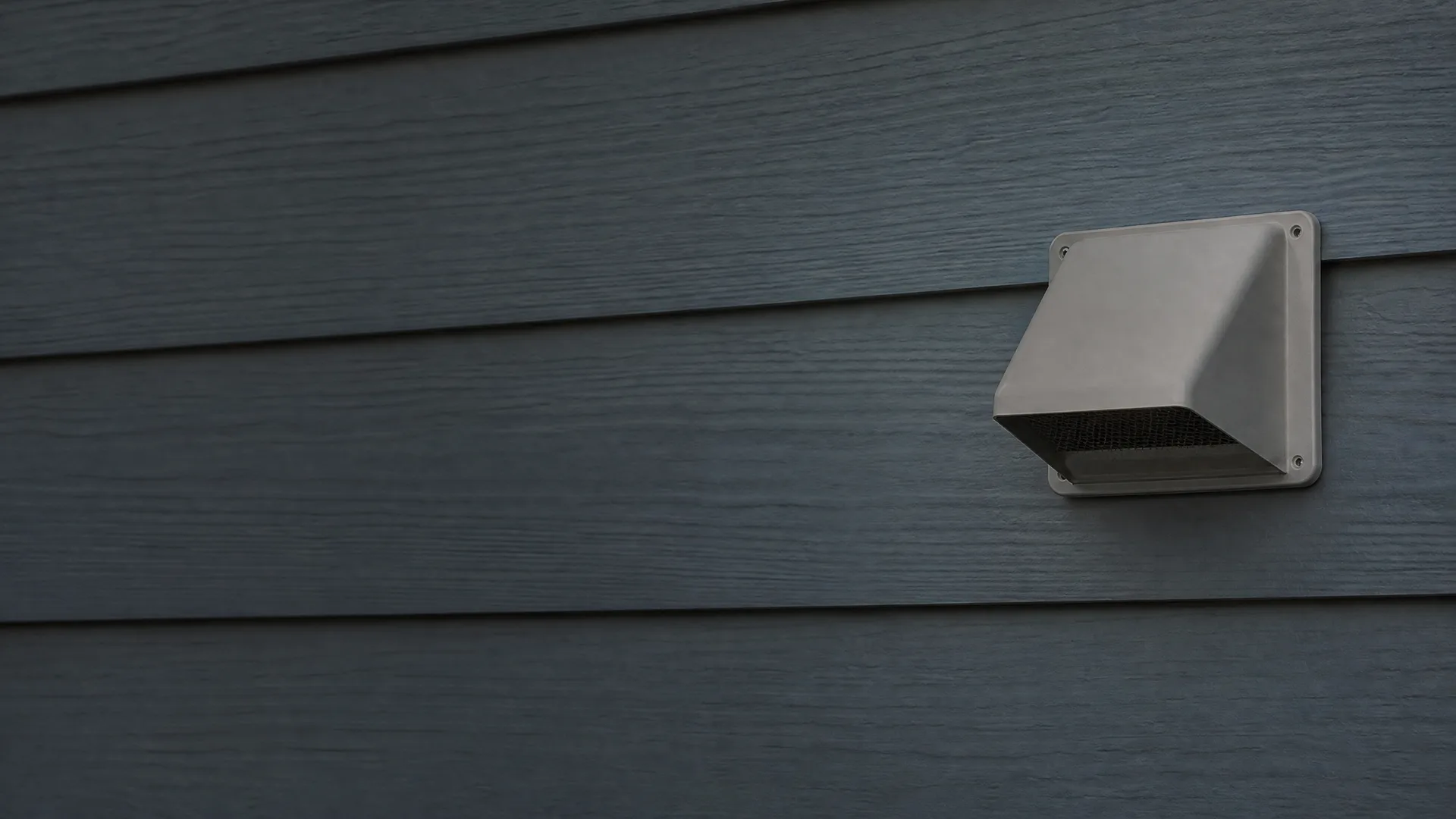
A light gray hooded exterior dryer vent with a screened opening mounted on dark blue-gray horizontal lap siding.

No phone calls to make

A licensed pro who works in Wood County gets your request.

Duct and vent cleaningWood County, WV
Step 1 of 3

What kind of equipment?