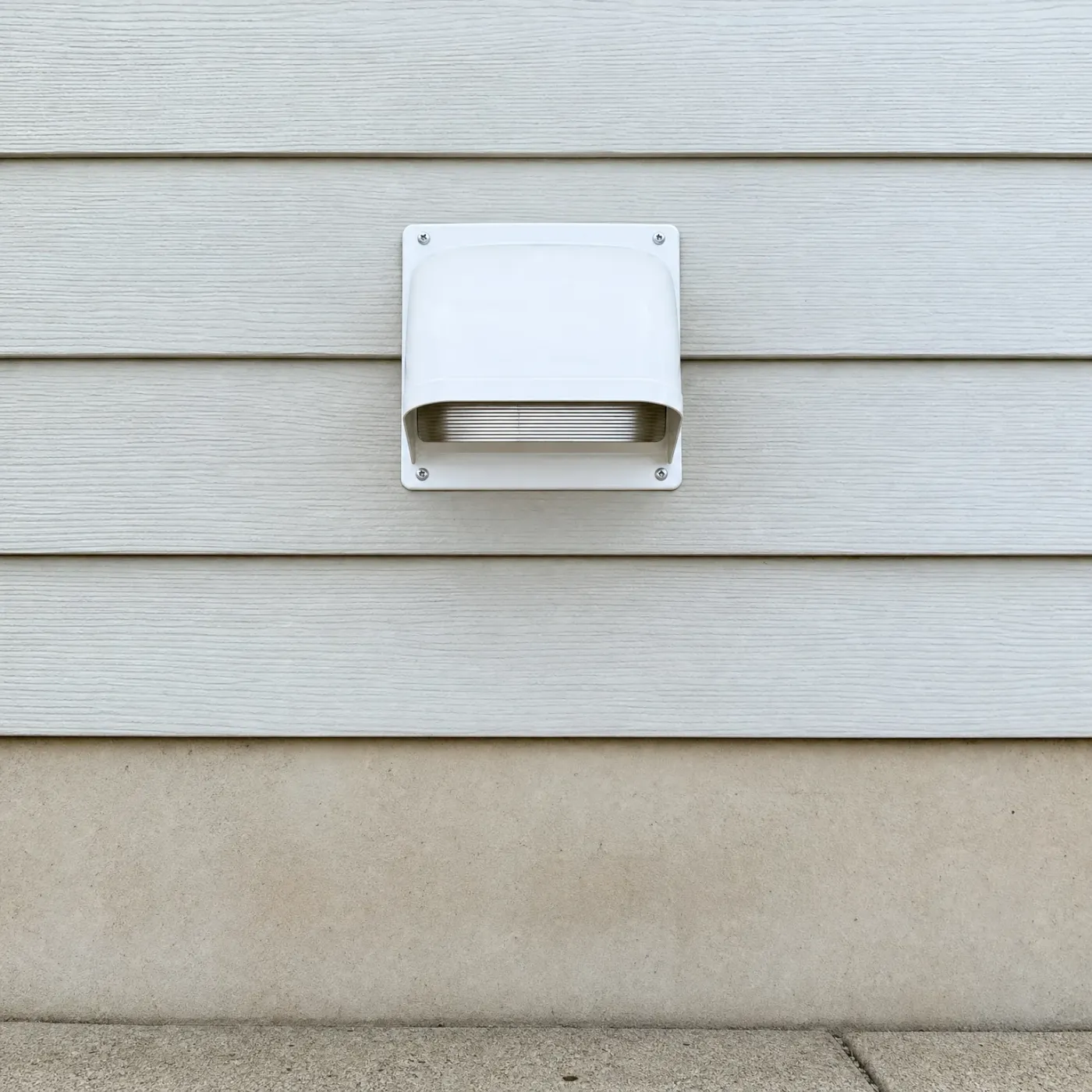
Vent clear and open
This is what a clear vent looks like. The louvers open when the dryer runs and close when it stops, and air moves straight out. Nothing lingers inside to catch a spark.
 Send my request
Send the form and the dryer vent cleaning stops sitting on your list.
Yes. Lint is paper thin and it burns fast, and a clogged vent is exactly where it builds up. When the vent is blocked, the dryer can't push the hot, damp air outside where it belongs. That air and the lint riding in it backs up into the duct, and the heating element keeps firing against a pipe that can't clear itself. That's the setup for a dryer fire.
You'll notice it before you ever see smoke. Clothes come out hot to the touch but still damp. A load that used to take forty minutes now takes two runs. The top of the dryer feels warmer than usual, or the room does. Those are signs the vent is restricted, not signs the machine is wearing out.
Summers around Parkersburg are muggy enough that clothes hold extra moisture before they even go in the dryer, which means a partly clogged vent gets asked to do more work for longer. Winters are cold, and a vent that runs through an unheated space can collect condensation along with lint, which makes the clog worse. Either way, the dryer is working harder than it should to do a basic job.
Clearing it is a straightforward service. A contractor who clears vents in homes around Wood County every week knows where lint actually collects, whether that's a long horizontal run, a tight turn behind the machine, or the hood outside where it vents to the outdoors, and checks the whole path rather than just the few feet closest to the dryer.
Send the request and you're done with the hunting. One licensed, local contractor gets your information, not five companies calling at once. From there it's their job to get the vent clear and the dryer venting the way it's supposed to.
Yes, a clogged dryer vent is a real fire risk, and it is one of the more common causes of house fires tied to a single appliance. Every load of laundry sheds lint, and lint catches fire easily. When the vent duct is full of it, the heat from the dryer has nowhere to go, so it keeps building inside the duct instead of venting outside. That heat, sitting next to a duct packed with lint, is what starts the fire. It is not a problem that needs years to develop. A vent that has never been cleaned, or one that was cleaned a long time ago, can already be carrying enough lint to matter. You may notice the dryer running hotter than usual, taking longer to dry a load, or the outside vent hood barely puffing air when the dryer runs. Any of those is worth acting on instead of waiting.
2.3 people per household on average
With 2.3 people in the average Wood County household, there's a steady run of laundry loads each week, and every one of them pushes more lint into the vent.
Half the homes here were built by 1970
Half the homes in Wood County were built in 1970 or earlier, and a duct run that old has had decades to collect lint in bends and joints a newer vent wouldn't have.
Power here costs 14.31 cents per kilowatt-hour
At 14.31 cents per kilowatt-hour, power here runs about the national average, but a dryer fighting a clogged vent still runs longer and costs you more to dry the same load.
ACS 2020-2024 · EIA-861 2025
This is what a clear vent looks like. The louvers open when the dryer runs and close when it stops, and air moves straight out. Nothing lingers inside to catch a spark.
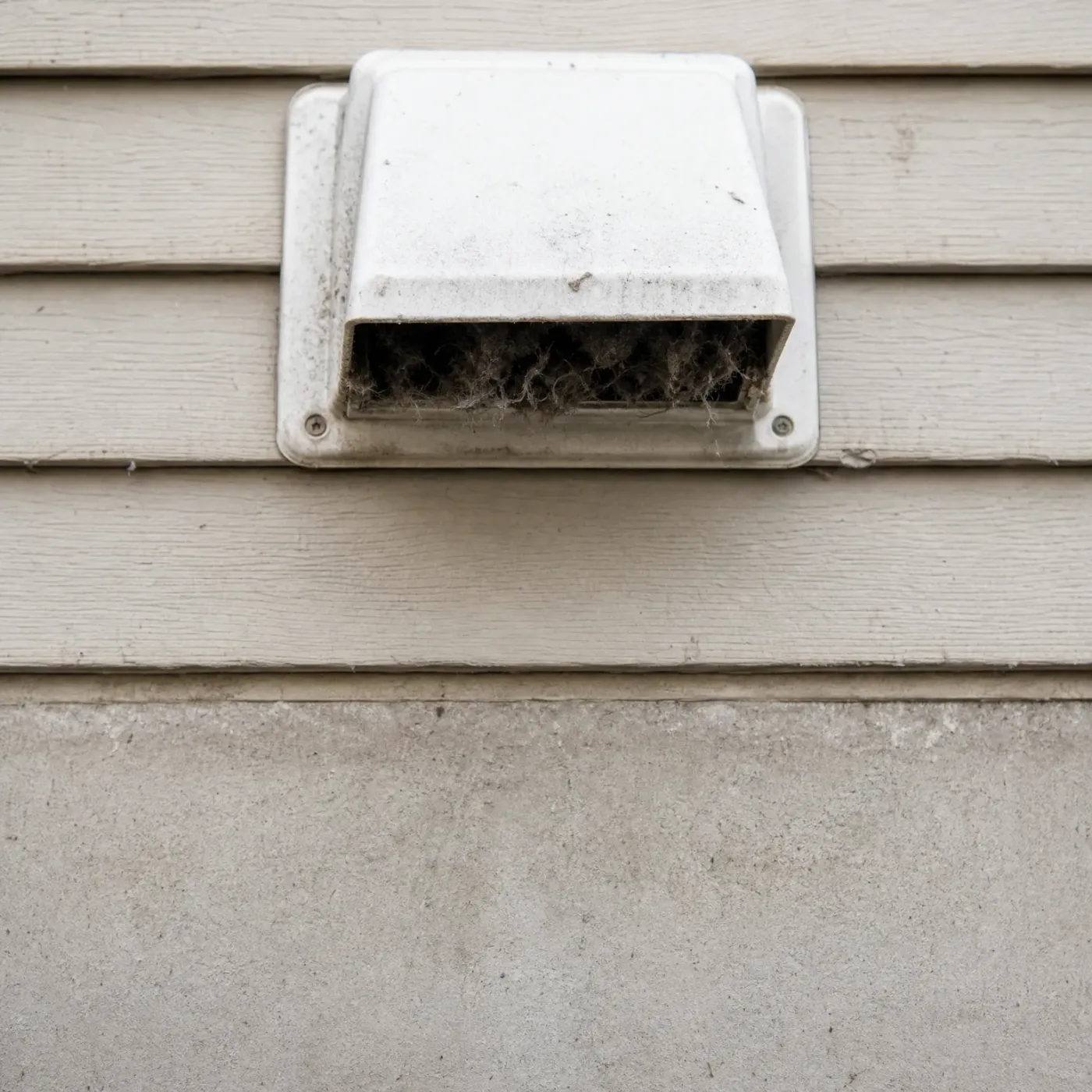
Lint has built up across the opening until there's barely a gap for air to pass. The dryer is still pushing out heat behind this, with nowhere for it to go. That's the buildup that catches fire.

It's a Tuesday night and you're the last one up. The dryer buzzer went off twenty minutes ago but you got pulled into something else, and now you're back in the laundry room pulling the door open. The towels are still damp, heavier than they should be after a full cycle. You feel the top of the dryer and it's warmer than usual, almost hot near the back. You run the load again, figuring it just needs another round, and head back to bed, already composing the call you'll make to someone who can get out to your house in Wood County before the weekend.
The pro who reaches out is licensed in West Virginia.
Asking costs nothing, and the choice to hire stays yours.
Lint is mostly cotton fiber, and by the time it's gone through a hot dryer it's bone dry. It's packed loose, too, so air moves through it easily, which is exactly what a flame needs to spread. A pile of damp towels won't ignite. A pile of dryer lint sitting against a heating element will. That's the difference between a nuisance and a fire risk, and it's why the lint trap alone was never going to catch all of it.
Many dryers have a high-limit thermostat that shuts the heating element off if the air inside gets too hot, then lets it kick back on once things cool a little. In a clear vent, that cycle barely matters. In a blocked one, the air isn't cooling between cycles because it has nowhere to go, so the element keeps firing into air that's already hot. That repeated cycling against trapped heat is where a lot of vent fires actually start.


You get ahead of it. A clean vent lets the dryer run its normal cycle, vent clear, with nothing sitting inside waiting for a spark.
The lint keeps building with every load. You won't know how much has packed in until the dryer runs long or the vent hood barely moves air.
Think back over the last few loads. Does the dryer run a second cycle to finish towels that should've come out dry the first time. Does the top of the machine feel hot to the touch, or the laundry room itself warmer than the rest of the house. Check the outside vent hood while a load is running. The flap should swing open and you should feel steady air pushing out. If it barely lifts, or the air feels weak, lint is sitting somewhere between the dryer and the wall. Left alone, that buildup is fuel sitting next to a heat source every time you do a load, and it only grows with each one you run.
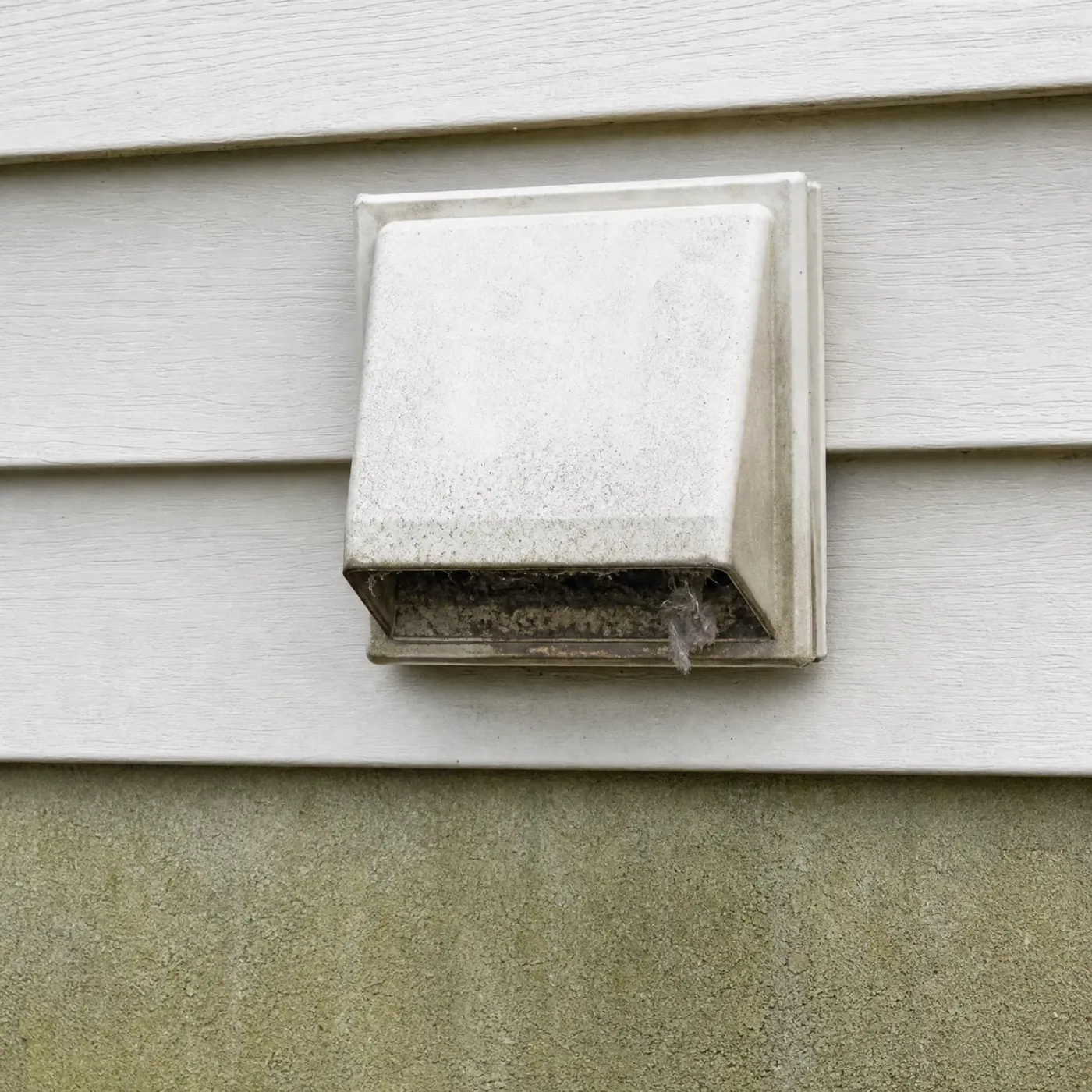
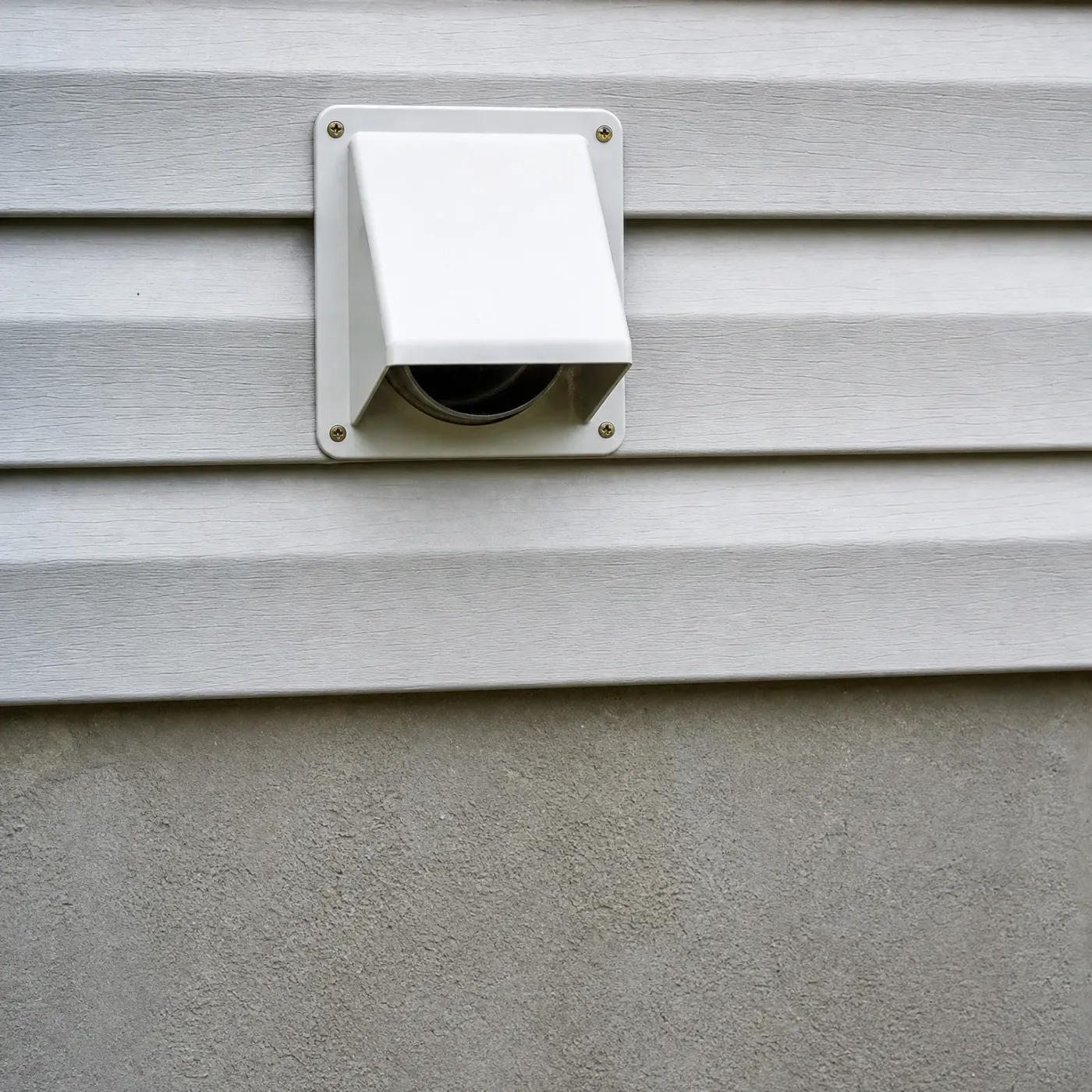
At 2.3 people, your house is doing laundry most days of the week, not once in a while. Every one of those loads sends lint down the same duct, and a family running the dryer that often fills it faster than a single person living alone ever would.
ACS 2020-2024
A clogged dryer vent is a fire risk, plain and simple, because it puts heat and lint in the same place with no way for either to clear out. That's true in any house, in any part of the country, and it doesn't ease up because the dryer is new or the house is new. What changes from one home to the next is how fast the lint builds, and in a household running laundry most days of the week, it builds faster than it would for someone doing a couple of loads on the weekend. The dryer itself tells you when the vent is losing the fight. A cycle that runs long, a top panel that's warm instead of cool, a laundry room that holds heat after the load is done. Those are the vent asking for help before anything worse happens. None of it fixes itself. The lint sitting in the duct now is still sitting there next week, and next month there's more of it on top. Cleaning the vent is what clears that path again, so the air the dryer pushes out has somewhere to go besides backing up into the duct. There's no trick to it and no guesswork involved. The vent is either clear or it isn't, and a dryer that's been showing the signs has already told you which one is true in your house.




Send one request and you're done looking
A licensed pro who works in Wood County gets your request.