The vent clear and venting freely
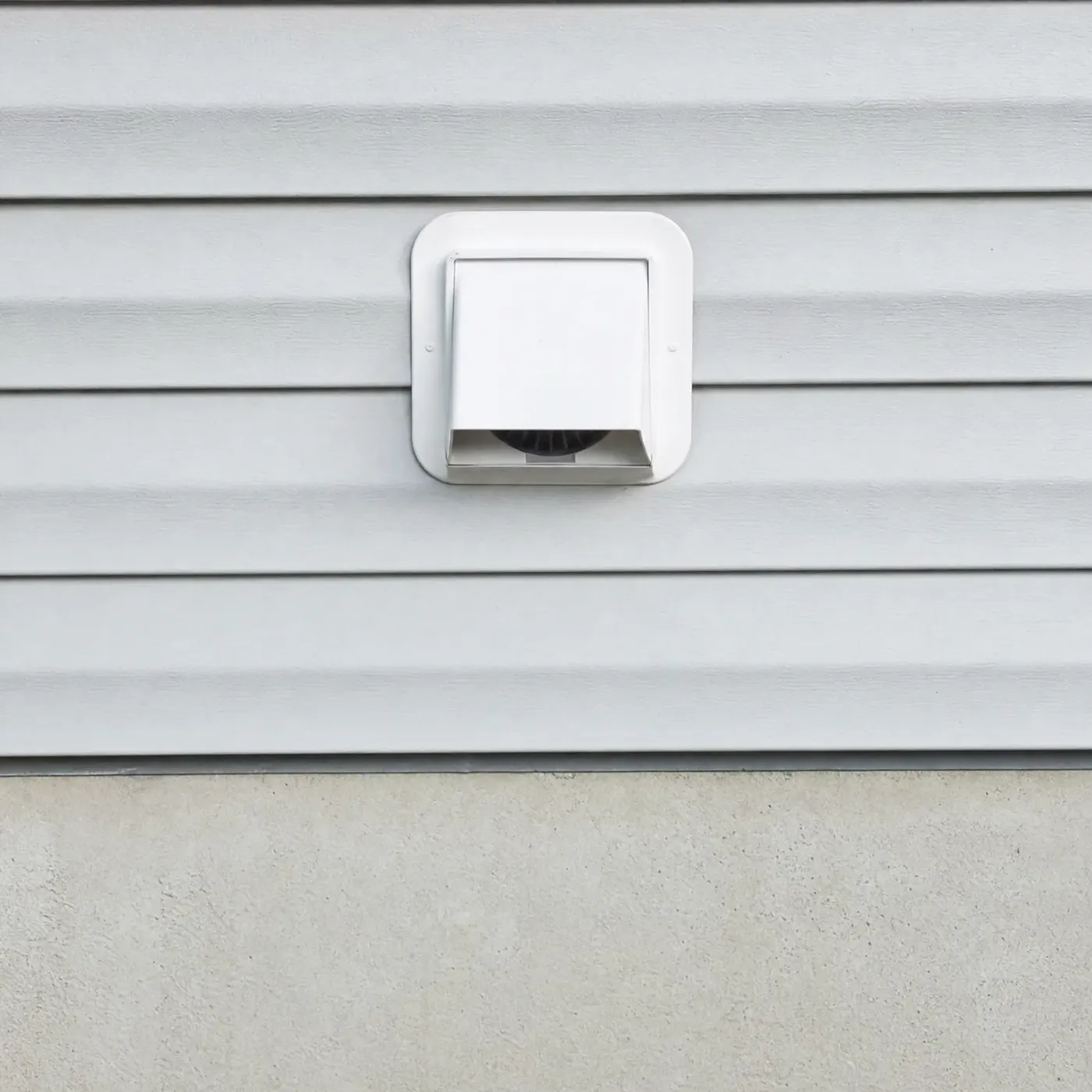
Air pushes straight out through the hood with every cycle, and the flap swings open and closed on its own. A load of towels finishes in one dry. Nothing collects at the opening, and the siding around it stays clean.
You have a load of towels that's taking two cycles to dry, or the top of the dryer feels warm to the touch. Before it turns into a bigger problem, you want to know how often the vent actually needs attention, not a vague rule that doesn't fit your house or how much you use the machine.
Once a year keeps lint from building up to the point where it blocks airflow. A blocked vent makes the dryer run longer to get clothes dry, and that extra heat and moisture has nowhere to go but back into the drum and the room around it. Since most homes in West Virginia heat with electricity, the dryer is already pulling its own separate power load, and a clogged vent just adds to what it has to run to finish a cycle. Summers here get sticky, and that extra humidity in the air makes it harder for a struggling vent to push moisture out fast enough. If you're drying more loads than usual, or you've got a longer run of duct between the dryer and the outside wall, check it more often than once a year.




A load that used to take forty minutes now takes seventy, or you're running towels through twice. The dryer runs hot to the touch on top or along the lint screen housing. Clothes come out hot but not fully dry. You might smell a faint burning smell when it's running, or notice the laundry room feels warmer and more humid than it should, especially in summer when the house is already sticky. These are signs lint has built up in the vent line, not just the trap. Left alone, the dryer has to work harder every cycle, and a clogged vent is one of the more common causes of house fires, since lint is what catches.

Air pushes straight out through the hood with every cycle, and the flap swings open and closed on its own. A load of towels finishes in one dry. Nothing collects at the opening, and the siding around it stays clean.

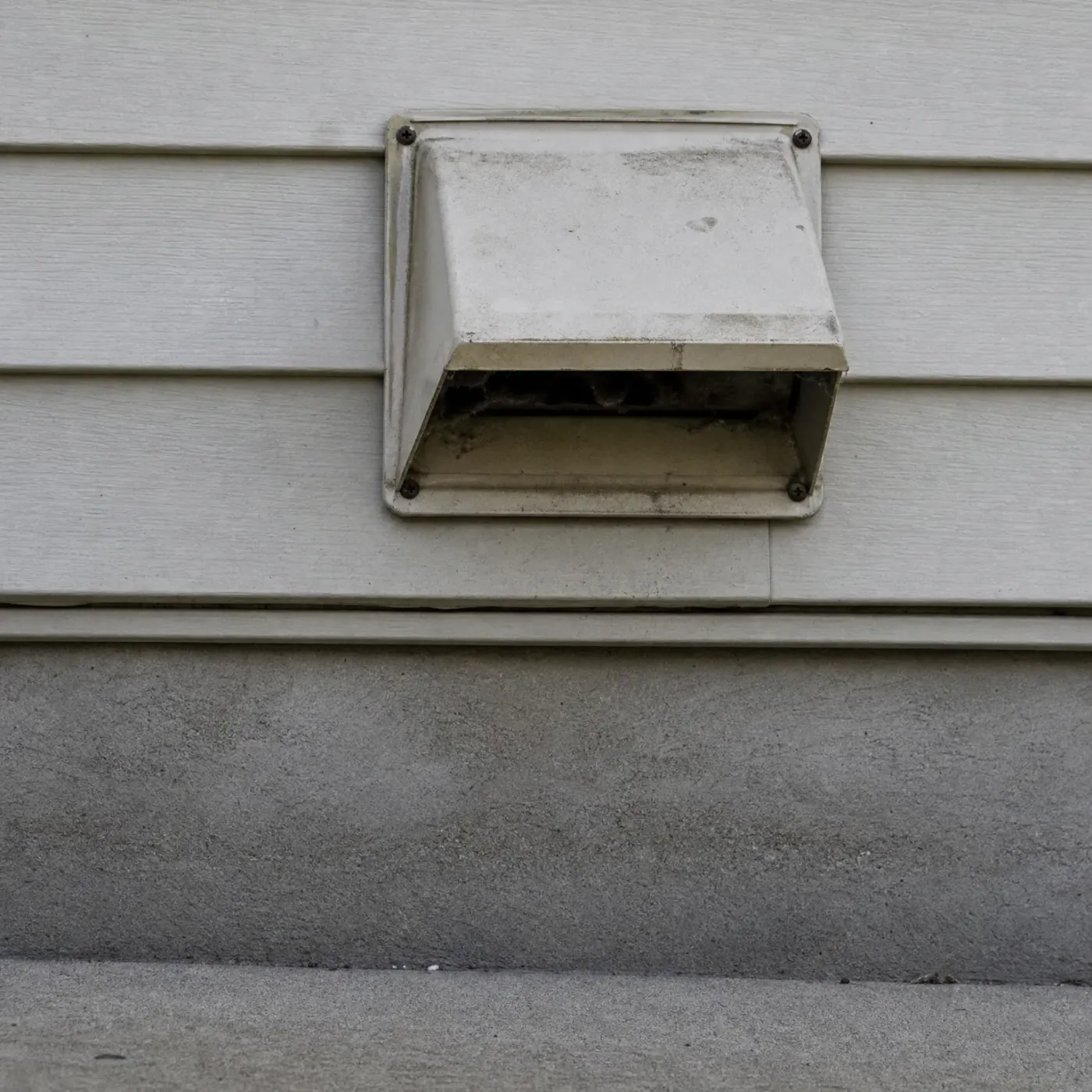
Lint has built up at the opening until the flap can't close all the way, and some of it has worked loose onto the foundation below. Air is fighting its way out, if it's getting out at all, and the dryer is working harder for the same load.

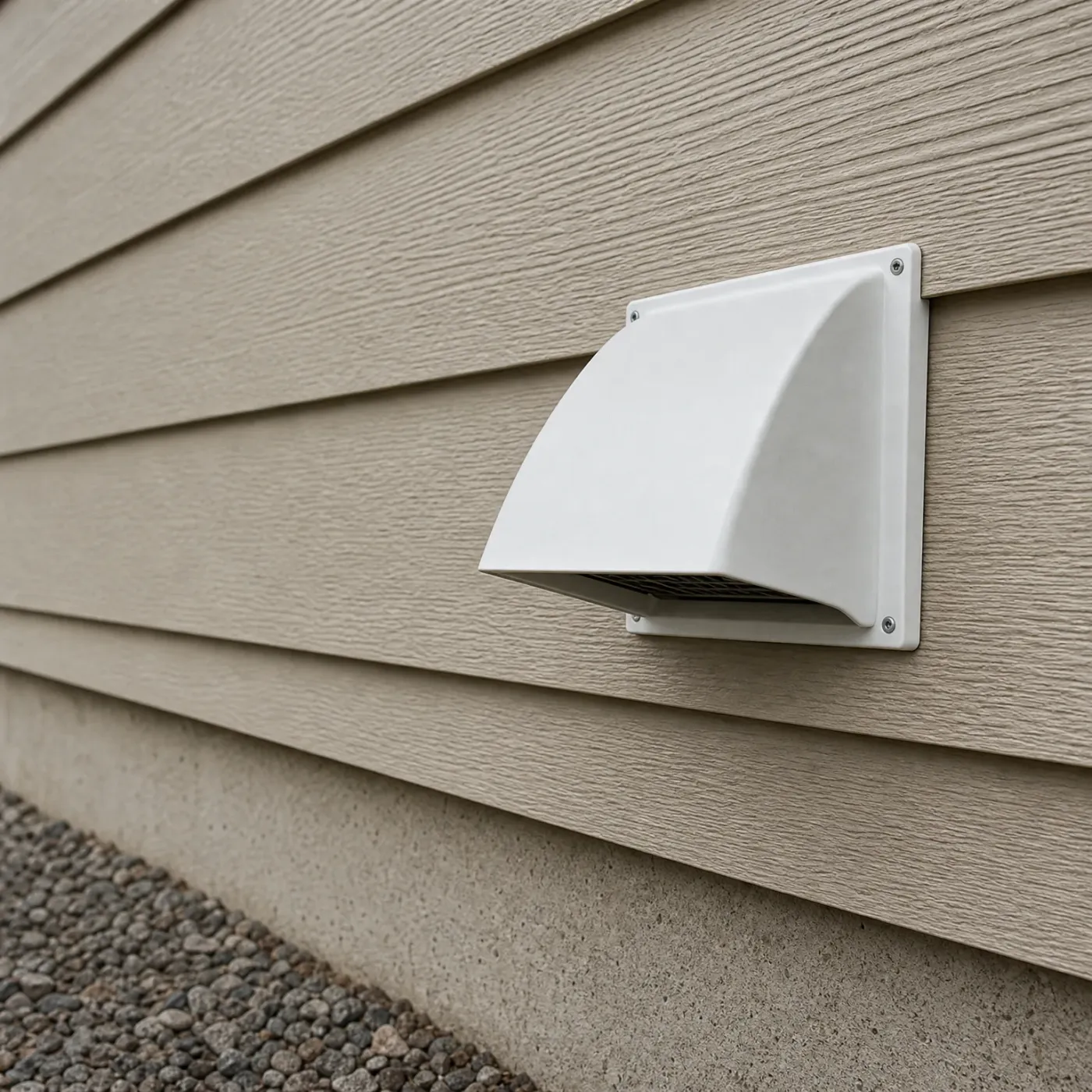
This is what a clear vent looks like from outside. The hood sits flush against the siding and the louvers hang open enough to show daylight behind them. Air pushes them open on its own during a cycle and they fall shut when the dryer stops.

Here the louvers can't close all the way because lint has packed in around the hinge and built up across the opening. That mat is what's slowing your dryer down, and it's also what a stray spark would catch first. Once it looks like this, cleaning is overdue.
Skip calling around for someone who cleans dryer vents.
Send the request and finding a pro stops being your problem.
You only hire the pro if you want to.

Every load of laundry pushes warm, wet air down a metal or foil hose and out through a hood on the outside of the house. Lint rides along with that air, and some of it sticks to the inside of the hose at every bend. A vent with two 90-degree turns collects lint faster than a straight run, because the airflow slows down at each turn and drops what it's carrying. Over time that buildup narrows the path until the dryer is pushing hot, damp air against resistance instead of out into the yard.
In West Virginia, summer humidity means the air going through that hose is already carrying more moisture than it would in a dry month, so lint inside the vent stays damp longer and packs in tighter. Once you notice the signs, calling around to find someone who actually does this kind of cleaning, explaining the setup over the phone, and sorting through quotes is its own chore on top of the problem. Sending one form instead hands that part off, and you're left waiting to hear back rather than working the phone yourself.

Lint sticks to the hose wall at every bend it passes
The buildup narrows the path air has to travel
The dryer pushes harder and runs hotter to compensate
Hot, moist air backs up instead of venting outside
At 15.39 cents per kilowatt-hour, a dryer working harder than it should shows up on your bill fast. A blocked vent makes the heating element run longer every load, so clearing it keeps that extra run time from costing you anything.
EIA-861 2025 statewide residential average
A dryer is built to push air against some resistance, but a blocked vent makes it work past that. The motor runs longer to move the same load of wet clothes, and the heating element cycles on more to make up for air that isn't carrying heat away fast enough. That strain doesn't stay quiet. Dryers with a clogged vent run hotter than they're built to, and the parts inside, the thermal fuse, the belt, the bearings, wear faster under that heat than they would venting clean. A vent cleared on a regular schedule keeps the motor doing the job it was built for instead of fighting a narrowing pipe.
West Virginia summers run sticky, and that humidity doesn't stop at the back door. Wet air moving through the vent carries more moisture alongside the lint, and that moisture helps lint clump instead of blowing through loose. A vent that might go a season between cleanings in a dry climate clogs faster here once the air turns humid. If your dryer runs most days, April through September is when that buildup moves quickest, and it's worth checking the vent more often through those months than you would in January.


Once a year covers it for most households here, sooner if you're running bigger loads with a family of five or six, or if the vent run is long with a few bends in it. A dryer that's drying slower than it used to, or feels warm on top, is telling you something before the bill does. You don't need to track down who does this kind of work, call a few places to see who answers, explain the vent and the hose run and the warm top of the dryer again to each one, then sit on quotes trying to compare them. Send the form once and that search is off your plate. You still know what to watch for: a slow dry, a warm dryer top, a hood flap outside that's gone quiet instead of swinging open during a cycle. That's the whole answer. Clean it on schedule, watch for the signs in between, and you won't be guessing at what's going on behind the wall.

Answer a few questions about the dryer vent cleaning and skip the search.