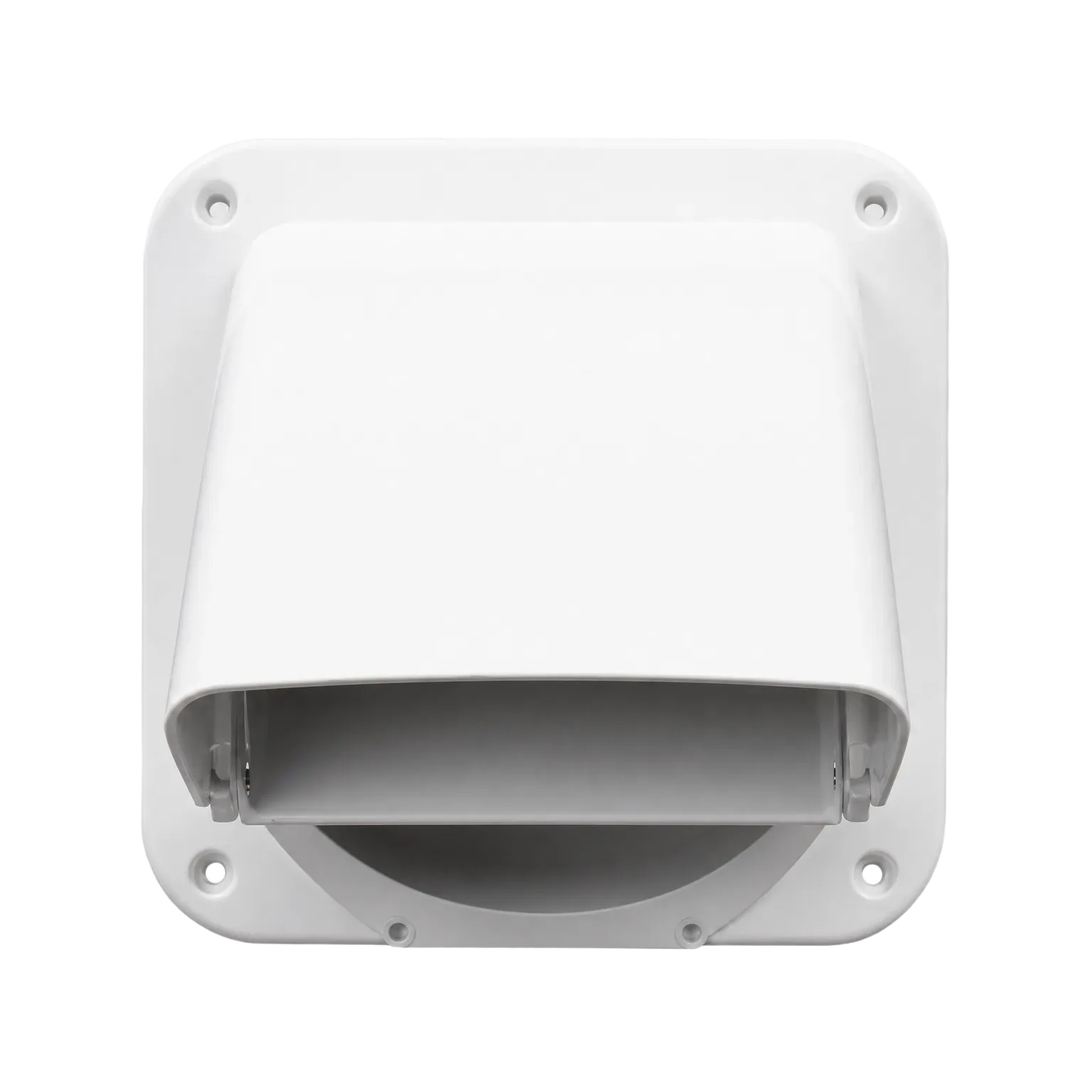
One clog, every room it touches
A blocked vent makes every load take longer, not just one. If towels, jeans, and sheets all come out damp, the duct is the common thread.
A dryer that runs a full cycle or two and still leaves clothes damp almost always means the vent is clogged, not the machine. Lint builds up inside the duct over time, and once airflow drops, the dryer can't push the hot, wet air out of the house. It just recirculates inside the drum, so the cycle ends and the clothes are still warm and heavy. Longer vent runs, vents with a lot of turns, and vents that haven't been cleaned in a while are the usual culprits. In Berkeley County, where summers get sticky and that humidity is already working against you, a blocked vent makes drying take even longer than it would in a dry climate. A dryer working this hard also runs hotter than it should, which wears on the heating element and the drum bearings over time. If drying time has crept up over several months rather than happened overnight, that's the pattern a clogged vent leaves. Clearing the duct is what fixes it, not a new dryer.




A blocked vent makes every load take longer, not just one. If towels, jeans, and sheets all come out damp, the duct is the common thread.
Lint collects along the full run of duct, not just at the hood outside. A trap you clean every load only catches part of it.
2.52 people per household on average
Most Berkeley County households run 2.52 people through one dryer, so loads stack up week after week, and every load pushes more lint through the same duct.
Half the homes here were built by 1996
Half the homes here were built in 1996 or earlier, which means the duct run has had close to thirty years to collect lint in bends and joints a newer house wouldn't have.
Power here costs 13.10 cents per kilowatt-hour
Electricity here runs 13.10 cents a kilowatt-hour, and a dryer fighting a clogged vent draws power the whole extra time it takes to get clothes dry.
ACS 2020-2024 · EIA-861 2025




A load that used to take forty minutes now takes two hours, and you run it twice to get the clothes dry. That's electricity you're paying for on every load, week after week. Power here is cheap, but it still adds up when the dryer is working twice as hard to do the same job. The bigger cost is the dryer itself. The motor and the heating element run longer than they were built to, and parts wear out sooner than they should. You notice it first in the electric bill or in how hot the laundry room gets. You notice it later when the dryer needs a repair it wouldn't have needed otherwise.
A clogged vent does not just slow down laundry. It traps heat inside the duct, and that duct often runs through a wall or a ceiling before it reaches outside. Lint is one of the most common things that catches fire in a house, and it catches fire inside the vent itself, not in the dryer. You won't see this building up. The only sign most households get is the one you already have, a dryer that takes longer than it used to. That's worth paying attention to before it becomes something else.
At 2.52 people, most households here are small, but the dryer still runs several loads a week. Each one pushes more lint through the same duct, so the clog builds up on a steady schedule even in a one or two person house.
ACS 2020-2024


A dryer vent is not something you can see the length of, and that is the problem with handling it yourself. You can clear the first few feet behind the machine and check the outside hood, but the duct runs on past where your brush reaches, through the wall and often up or across before it gets outside. A contractor who services vents in Berkeley County every week owns the equipment to run the full length of that duct and knows which setups around Martinsburg tend to run longer or turn corners more than others. That matters here, where most homes heat and dry clothes on electric power and a slow dryer just keeps drawing it, load after load, until the vent gets cleared. One contractor gets your request, not several, so you're dealing with a single local pro who already knows what tends to fail in homes like yours, not a line of competing bids. If your dryer is taking two cycles to do what it used to do in one, that duct is the place to start.
Lint sheds off every load and rides the airflow into the duct.
Light, damp lint sticks to the inside walls of the vent first.
Each new load adds another layer over what's already stuck there.
The buildup narrows the duct until less air can pass through.
You open the dryer and the top of it is hot to the touch, maybe even the whole front panel. The laundry room feels warmer and more humid than it should, almost like a bathroom after a shower. Clothes come out hot but not dry, and you run them again. If you check the outside hood while the dryer runs, you feel little or no air coming out, where a clear vent pushes a strong, steady stream. Left alone, that trapped heat and moisture is the setup for a dryer fire, since lint is what burns.

It's almost nine on a Tuesday and you're still in the laundry room. The dryer has been running since before dinner, through two full cycles now, and the towels on top of it are still heavy and damp when you press a hand into them. The window over the machine has gone dark an hour ago. You can hear the drum turning, feel the warm air pushing out from underneath, but the pile doesn't shrink. You start the third cycle anyway, because the kids need towels for tomorrow, and head back to whatever you were doing before this took over your evening.

A dryer that takes two hours to do a forty minute job is telling you something specific. The vent is packed with lint and the air has nowhere to go. That's the whole problem, and it's a problem a vent cleaning solves, not a new machine.
Clearing a duct that runs through your walls and out to the hood isn't a job most people can finish with a hand brush. It takes someone who works on these vents in Berkeley County homes regularly and knows where lint tends to pack in a run like yours. Once you request service, you're matched with one local, licensed contractor who handles it, not a handful of companies competing for your callback.

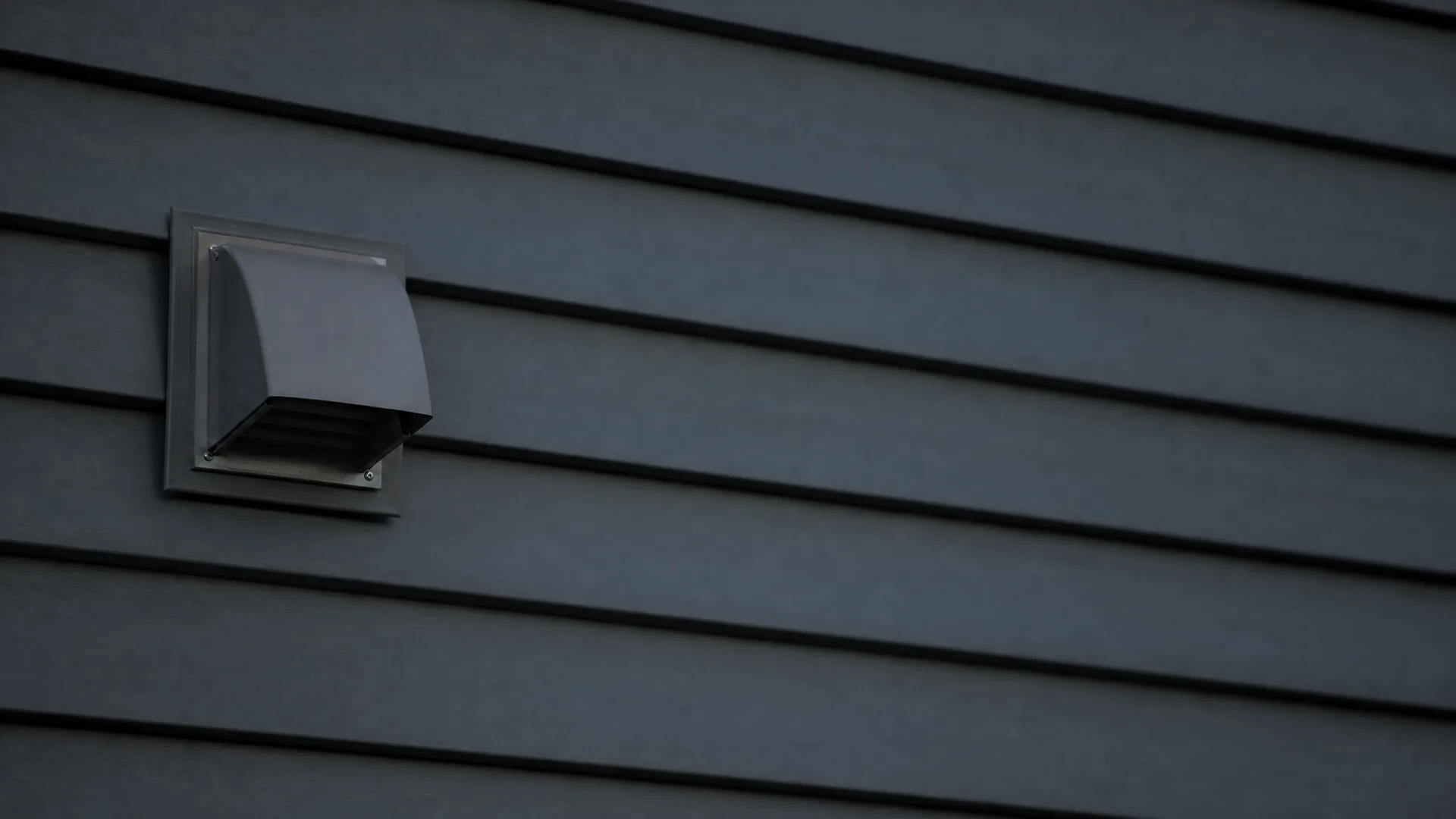
Only one pro gets your request, so you hear from one company.