Is a clogged dryer vent a fire risk in Morgantown, WV

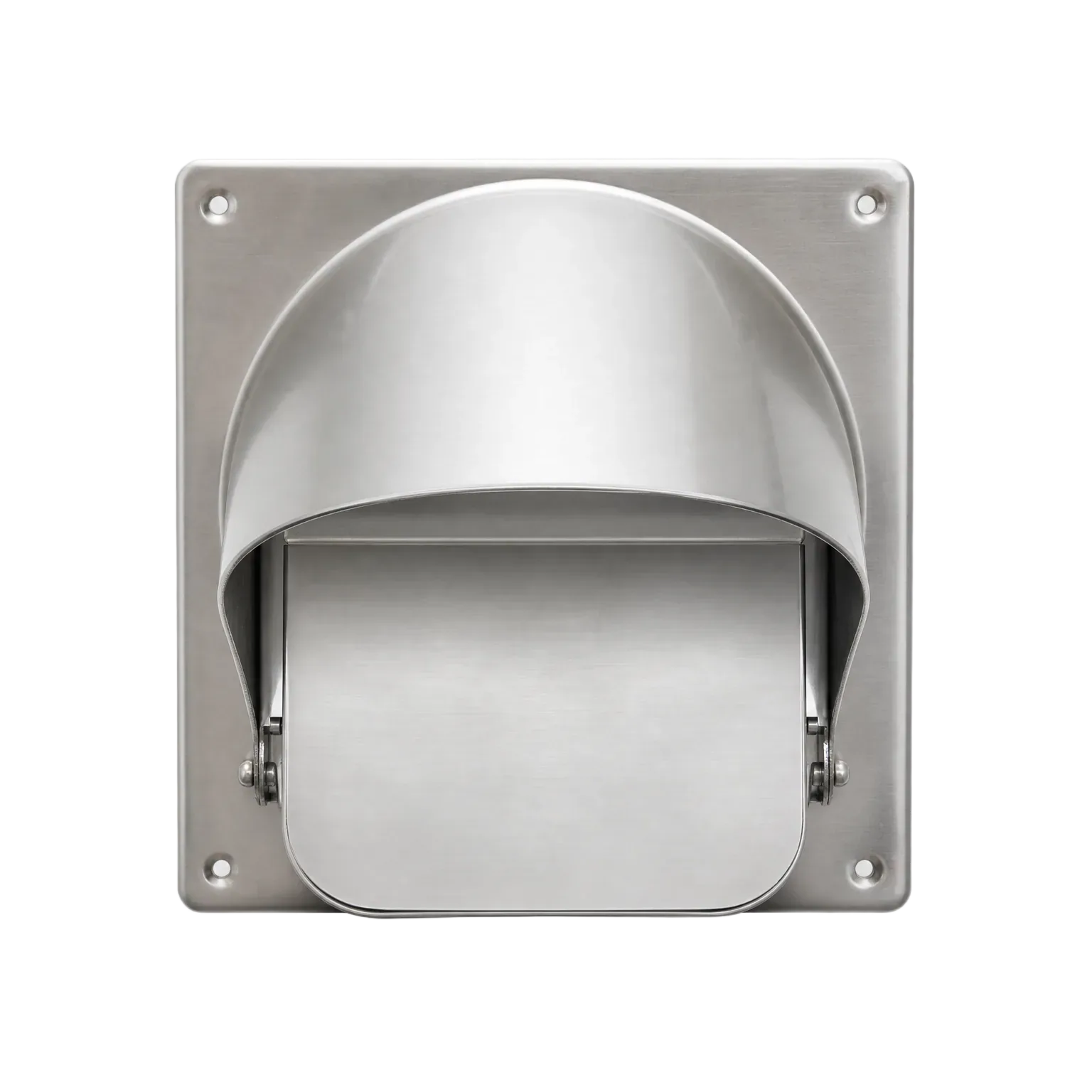
A stainless steel square wall vent with a curved hood and a hinged flap damper, shown straight on against a plain gray background.
Let a pro reach out

Is a clogged dryer vent actually a fire risk in Morgantown?

You run a load of laundry most days, especially with the heat and humidity Morgantown gets through the summer, and you've heard a clogged dryer vent can start a fire. It's easy to dismiss until you notice clothes taking longer to dry or the outside vent hood barely moving air. You want to know if this is a real risk or just something people say.

Yes, a clogged dryer vent is a real fire risk

Lint is dry and it burns easily. When it builds up inside the vent, the dryer has to push hot air through a narrowing path, and that heat has nowhere to go but back toward the machine. The heating element or gas burner keeps running longer to finish a load, and the extra heat sitting in a lint-packed vent is what starts fires. Longer dry times, a dryer that runs hot to the touch, or a vent hood outside that barely flaps when the dryer's on are signs the path is restricted. In Monongalia County homes, where most dryers run on gas, that heat buildup happens inside the vent run itself, not just at the lint trap, which is why clearing the trap alone doesn't fix it.

A smiling man in a green sweater stands at a kitchen counter with a dark mug, with an open-plan dining area and large windows behind him.
A smiling man in a dark green sweatshirt sits at a kitchen island with a gray mug, with cabinets, plants, and a dining area near large windows behind him.
A smiling bearded man in a green sweater sits at a white marble kitchen island with a mug, potted plant and bowl of fruit, in a bright white interior with open shelving and an arched doorway.
A smiling man in a gray long-sleeved shirt stands in a kitchen looking to the side, with open shelves of dishes, a white mug on the counter, a potted plant, and a view through a doorway into a living room.

What does your household mean for your dryer vent risk?

  • 2.26 people per household on average

    The average Monongalia County household runs 2.26 people, which usually means a full hamper most days of the week. More loads through that vent means lint builds up faster than in a house running one or two loads a week.

  • Half the homes here were built by 1988

    Half the homes in this county were built in 1988 or earlier, per Census figures. An older vent run is more likely to use long stretches of flexible duct or extra turns, and both catch lint faster than a short straight shot outside.

  • Power here costs 14.31 cents per kilowatt-hour

    Electricity here runs 14.31 cents per kilowatt-hour, close to the national norm. A dryer fighting a clogged vent pulls more power to finish a load, so the clog costs you on the bill before it ever becomes a fire risk.

ACS 2020-2024 · EIA-861 2025

A load running most days means the vent is working often, and that's where the risk shows up in your own house. Check the outside hood when a load finishes. If the flap barely moves or the air coming out feels weak instead of warm and steady, lint is sitting somewhere in that run between the dryer and the wall. A longer drying time, a dryer that gets hotter to the touch than it used to, or a laundry room that smells warm and dusty after a cycle are all signs the air isn't getting out the way it should. That trapped heat has nowhere to go but back toward the lint and the machine itself, and with loads going through that often, the buildup doesn't take long to get ahead of you. It isn't about one bad load. It's about months of lint sitting in a vent that never gets the chance to clear itself, in a house where the dryer runs close to daily.

2.26 people per household on average

At 2.26 people, your house is likely running a load most days, maybe every day. That's steady use for the vent, with little time between loads for anyone to notice a hood that's stopped pushing air out like it should.

ACS 2020-2024

A vent that's just slow

Airflow is weak but still there. The hood flap moves when the dryer runs, clothes come out dry, just a little longer in the cycle than before. Lint has started to build along the duct, but enough air still gets through to carry the heat outside. This is the stage where cleaning is a quick fix, not an emergency. Left alone through more loads a day, it moves toward the next stage, since lint only adds up over time, it doesn't clear itself.

A vent that's packed solid

The hood flap barely lifts, or doesn't move at all. Clothes come out damp after a full cycle, and the dryer itself feels hot to the touch on the outside. Lint has built up enough that hot air has nowhere to go, so it backs up into the duct and into the dryer. That trapped heat around built-up lint is how dryer fires start. If this is what you're seeing after a load, it's not a maintenance question anymore, it's a fire risk sitting in your laundry room right now.

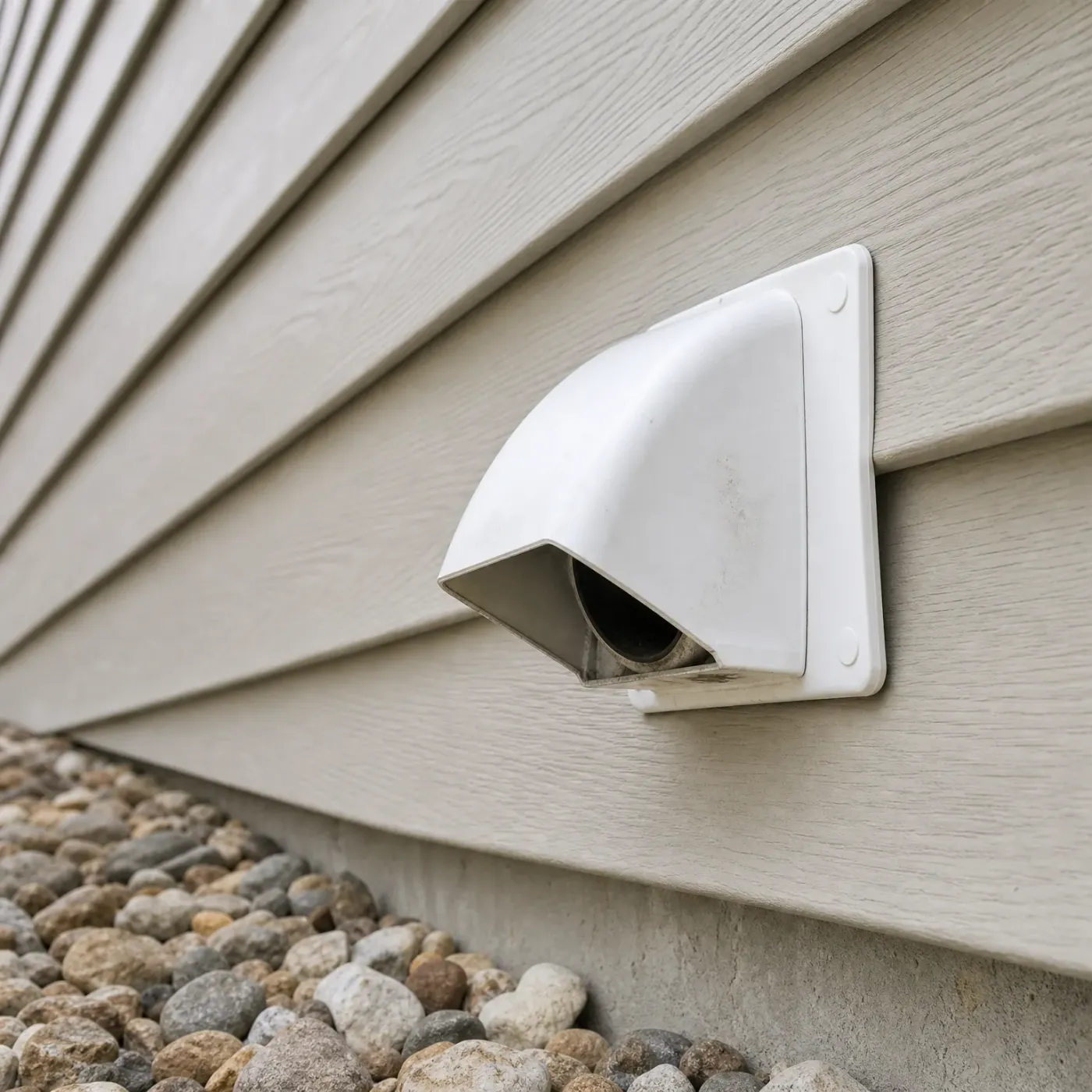
A white plastic dryer vent hood mounted on horizontal lap siding, clogged with gray lint at its lower opening, above a concrete foundation and walkway.
Before you get your dryer vent cleaning
A white plastic hooded dryer vent with a screened opening mounted on gray horizontal lap siding above a concrete foundation and gravel bed.
After you get your dryer vent cleaning
A white plastic hooded dryer vent mounted on beige lap siding above a concrete foundation, with river rock gravel at the base.

Stop chasing a dryer vent pro

The pro who gets in touch is licensed in West Virginia and works in Monongalia County.

One request and the search for a pro is handled.

I'm done searching

It costs nothing to send, and you don't have to hire anyone.

What would you actually notice in your own house

Clothes take two or three cycles to dry instead of one. The top of the dryer feels hot to the touch, or the laundry room itself feels warmer than it should, especially if it's a small or closed-off space. You might catch a faint burning smell, more noticeable in the first few minutes of a cycle. Lint turns up around the lint trap door or on the floor nearby, outside the trap itself. Outside, the hood flap barely lifts when the dryer runs. None of this means a fire is coming. It means heat and lint are staying in the vent instead of moving out of the house, and that's the condition house fires from dryers start from.

A white hooded exterior vent cover with a screened lower opening, screwed to beige horizontal lap siding above a concrete foundation.

A vent clear enough to do its job

Air moves straight out through the louvers and the flap swings open all the way when the dryer runs. Lint collects in the trap, not in the hood, so the exhaust stays warm and steady load after load.

A hooded dryer vent mounted on beige lap siding, with gray lint buildup packed in and hanging from its louvered opening.

A vent packed with lint

The louvers are matted shut with lint that built up behind them, load after load. Air can barely force its way out, and the dryer is pushing hot exhaust against a blockage instead of clearing it.

Clear It Yourself or Call It In

Clean it yourself

  • You can pull lint off the trap screen after every load, but that part was never the problem spot.
  • Reaching the hood outside means getting a ladder to it if it sits up near the roofline or a second story.
  • A shop vac reaches a few feet into the duct from either end, which leaves the middle of a long run untouched.
  • Without a brush sized to the duct, bends in the line behind the wall stay packed no matter how hard you vacuum.
  • You won't know the job worked until the next few loads dry in one cycle like they should.

Have it cleaned

  • A contractor working this equipment every season brings a brush and rod sized to run the full length of your duct, not just the ends.
  • They clear the bends and transitions behind the wall where lint actually catches, not just what's visible at the hood.
  • One licensed local contractor takes the job, so you're not fielding calls from several companies after you ask.
  • They'll check the hood flap swings fully open and the airflow is strong before they call it done.
  • Once the form is in, finding that contractor stops being something you have to chase down yourself.
A smiling man with short dark curly hair and stubble, wearing a navy T-shirt, sits on a beige sofa looking down toward a dark object in the foreground, with a living room, round mirror, lamp and bright window behind him.
A bearded man in a red and dark plaid flannel shirt looks out a frost-edged window at a snow-covered yard, with a gray mug on the sill in the foreground.

What this comes down to

  • A clogged dryer vent is a real fire risk, and the longer it runs restricted, the more heat builds up where it shouldn't.
  • Your household's laundry habits in Morgantown mean the vent sees steady use, which is exactly the condition that lets lint build up unnoticed.
  • A weak hood flap or clothes that take extra cycles are both signs worth checking before they turn into something worse.
  • A local contractor who cleans vents in this area every season knows the usual culprits, from bird nests in the hood to long duct runs packed with lint.
  • Working with one licensed contractor means a single point of contact instead of a handful of companies competing for the job.
  • Once the vent is clear, airflow and dry times go back to normal, and so does the risk sitting in your laundry room.

Yes, a clogged dryer vent is a fire risk, and in your house the conditions for one are already in place. A load running most days keeps lint moving into that duct steadily, and a weak hood flap or a dryer that needs an extra cycle is the vent telling you it's falling behind. None of that means something's wrong yet. It means it's worth a look before it is.

The part that matters once you decide to deal with it is who clears the vent. Someone who works on these systems in Morgantown every season has seen what usually causes the blockage here, whether that's a bird nest built into the outside hood or a long duct run that's packed with lint over time. That's different from guessing at it with a shop vac and a ladder.

You'd also be working with one contractor, not fielding calls from several competing for the same job. One licensed contractor, local to this area, takes the job and clears the vent. After that, the hood flap swings open the way it should, the dryer goes back to one cycle, and the heat that was building up somewhere it shouldn't has somewhere to go again. That's the whole problem and the whole fix. The risk was in the buildup. Once the vent is clear, so is the risk.

A metal hooded dryer vent cap mounted on dark gray horizontal lap siding above a concrete foundation.

Send one request and you're done looking

The pro who reaches out is licensed in West Virginia.

Duct and vent cleaningMonongalia County, WV
Step 1 of 3

What kind of equipment?