
Signs of a clogged dryer vent in Martinsburg, WV
Skip searching for someone who cleans dryer vents in Berkeley County.
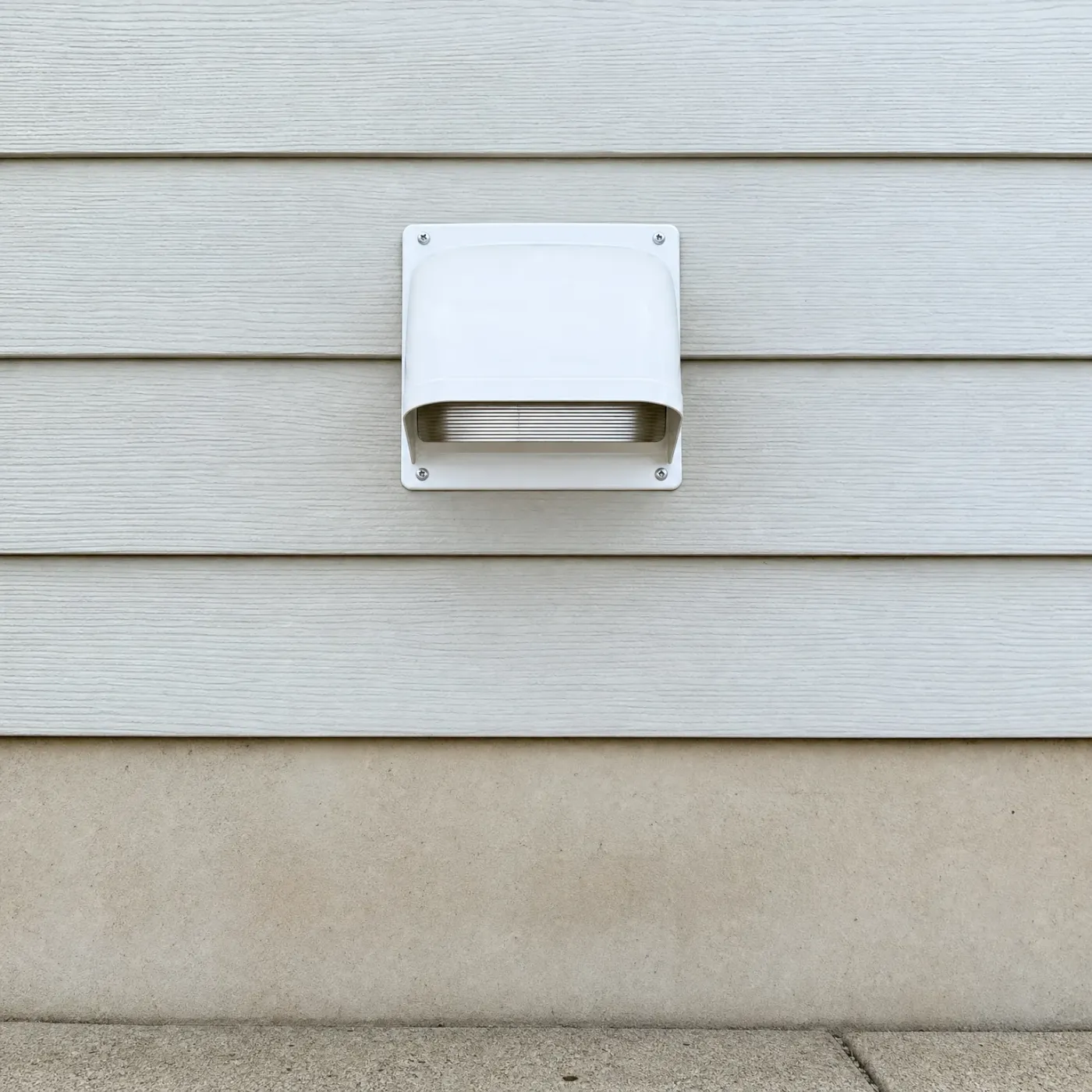
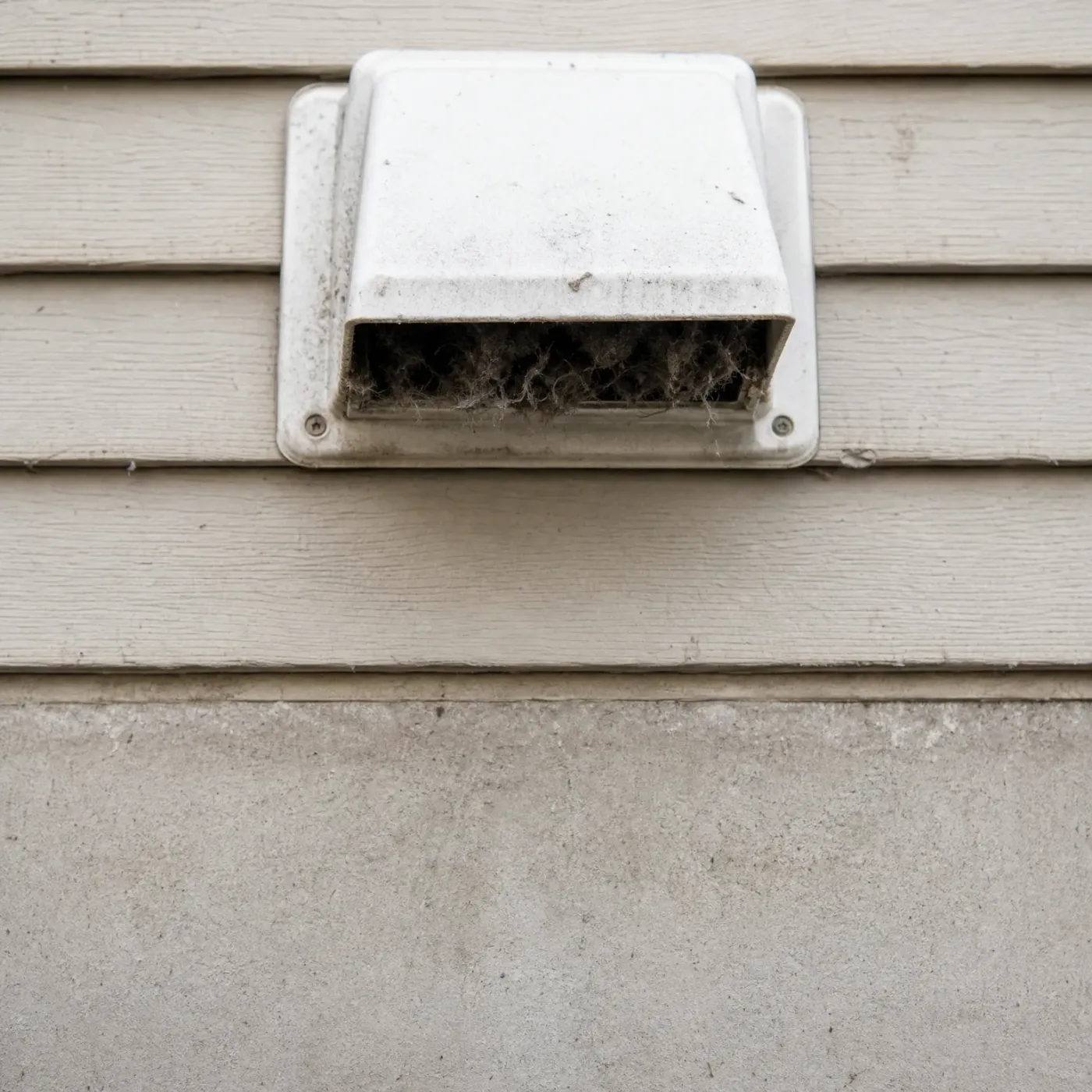
Fill out one formA clogged dryer vent shows up as clothes that take two or three cycles to dry, a dryer that runs hot to the touch, or a burnt smell when it's running. Check the outside vent hood while the dryer runs. If the flap barely moves or no air comes out, lint is blocking the line somewhere between the dryer and the outside wall. You might also notice more lint than usual collecting on clothes, or the lint trap filling up faster even though you clean it every load. A blocked vent forces the dryer to work harder and run longer to do the same job, and it keeps heat and moist air trapped in the line instead of pushing it outside. That's a fire risk, not just a slow drying cycle. If you've noticed any of this, the vent needs to be cleared out before it gets worse.
Why does your dryer vent clog faster than you'd think?
2.52 people per household on average
With 2.52 people per household here on average, most homes run a load most days, and every load pushes more lint toward the vent hood.
Half the homes here were built by 1996
Half the homes in Berkeley County were built in 1996 or earlier, and older duct runs tend to have more bends where lint collects.
Power here costs 13.10 cents per kilowatt-hour
Power costs 13.10 cents per kilowatt-hour here, so a dryer working harder through a blocked vent adds up on a bill you can check.
ACS 2020-2024 · EIA-861 2025
How a Vent Clogs Over Time
- Lint builds up in the duct itself, not just the trap, narrowing the path air needs to push through.
- A clogged vent forces the drum to run longer and hotter, which stresses the heating element and the thermal fuse.
- Rigid metal duct moves air better than foil or vinyl, which sag and trap lint at the seams.
- Every 90-degree turn in the vent run gives lint a place to catch and build up over time.
- A dryer vent should exhaust straight outside, never into an attic, crawlspace or wall cavity.
- The outside hood flap should swing open fully when the dryer runs and close when it stops.
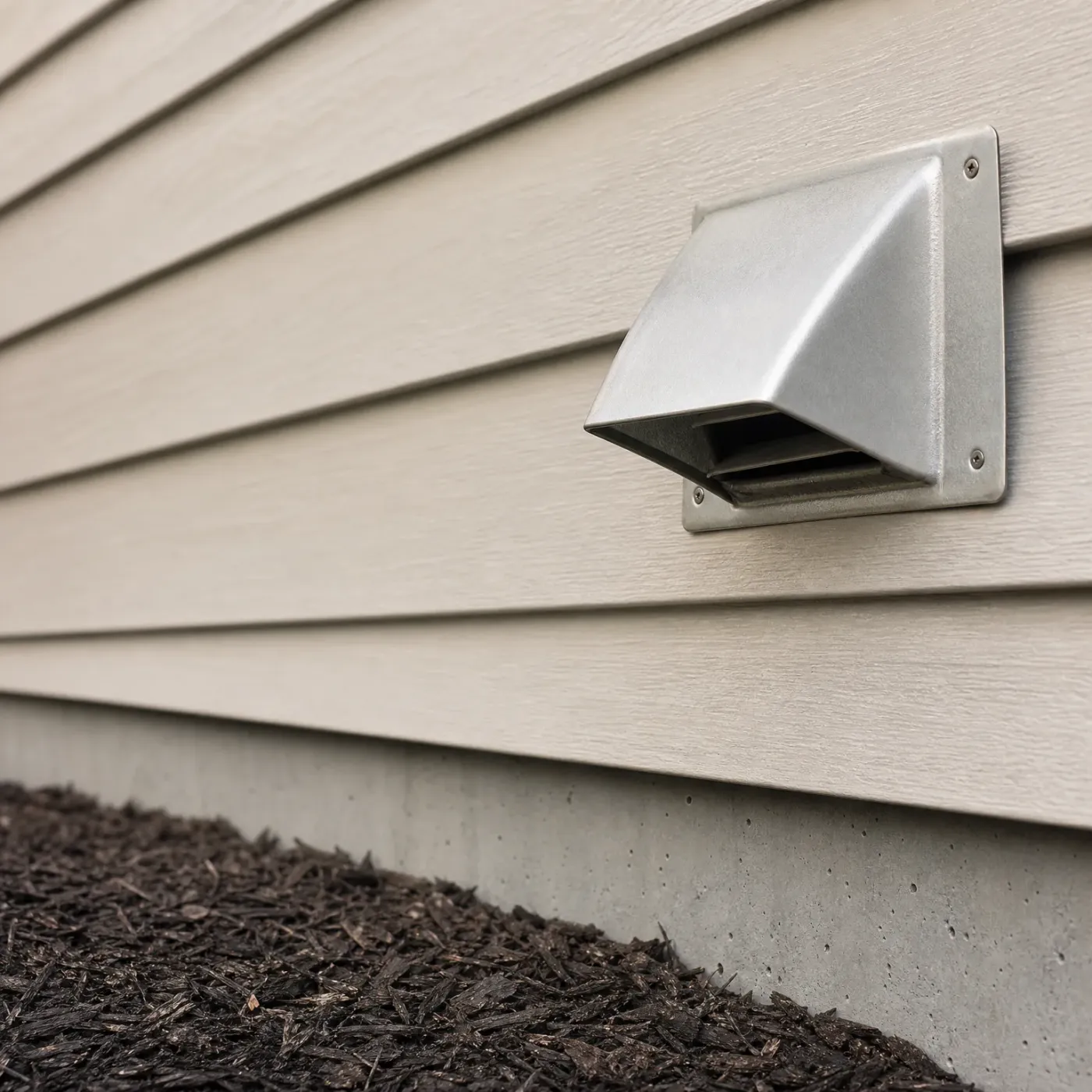
Lint doesn't stop at the trap. It rides the air current down the duct and settles wherever the airflow slows down, which is why the clog usually builds in the duct itself, out of sight. Every turn the duct makes gives lint a surface to catch on, so a run with two or three 90-degree bends clogs faster than a straight shot to the outside wall. The material matters too. Rigid metal duct keeps air moving at a steady speed, but foil and vinyl duct sag between the joists over time, and lint settles in that low spot and at every seam. Once the path narrows, the dryer has to push the same amount of air through a smaller opening, so the drum runs longer and hotter to get clothes dry. That extra heat is what wears out the heating element early and trips the thermal fuse, a safety part that's cheap to replace but shouldn't be failing on a regular basis. The vent also has to end somewhere, and that somewhere should be outside the house, never an attic, crawlspace or wall cavity, where the moisture and lint have nowhere to go but back into the house. A quick check from outside tells you a lot: with the dryer running, the hood flap should swing open all the way and close again once the cycle ends. A flap that barely lifts is telling you the duct behind it is already restricted.


Three cycles to dry one load isn't bad luck. It's the heating element working against a duct that won't let the air through, and that strain adds up over a winter of daily loads. The lint sitting in that duct holds onto moisture from every load you run, and a warm, damp spot behind your wall is exactly where mold gets started. None of that shows up on your power bill as its own line, but a dryer running hot for every load all season is pulling more electricity than it would with a clear vent. The smell you catch when the dryer's been running a while is lint scorching close to the element, and that's the same lint that can catch if the heat has nowhere to go. Go outside while it's running and watch the hood flap. Barely moving means the blockage is already between the trap and the outside wall. A thermal fuse that trips more than once is the dryer cutting itself off before things get worse.
What this means for your house
- A dryer that takes three cycles on a normal load is pushing the heating element far past what it was built for.
- Lint packed into the duct holds moisture, and a warm, damp duct behind your wall is a place mold can start.
- A dryer running hot to the touch all winter is spending more on electricity for every load than it should.
- The burnt smell you notice is lint scorching near the element, and that same lint is what catches fire in a vent.
- A flap at the outside hood that barely lifts while the dryer runs means something downstream is already blocking most of the air.
- A thermal fuse that keeps tripping is the dryer protecting itself from heat that has nowhere to go.
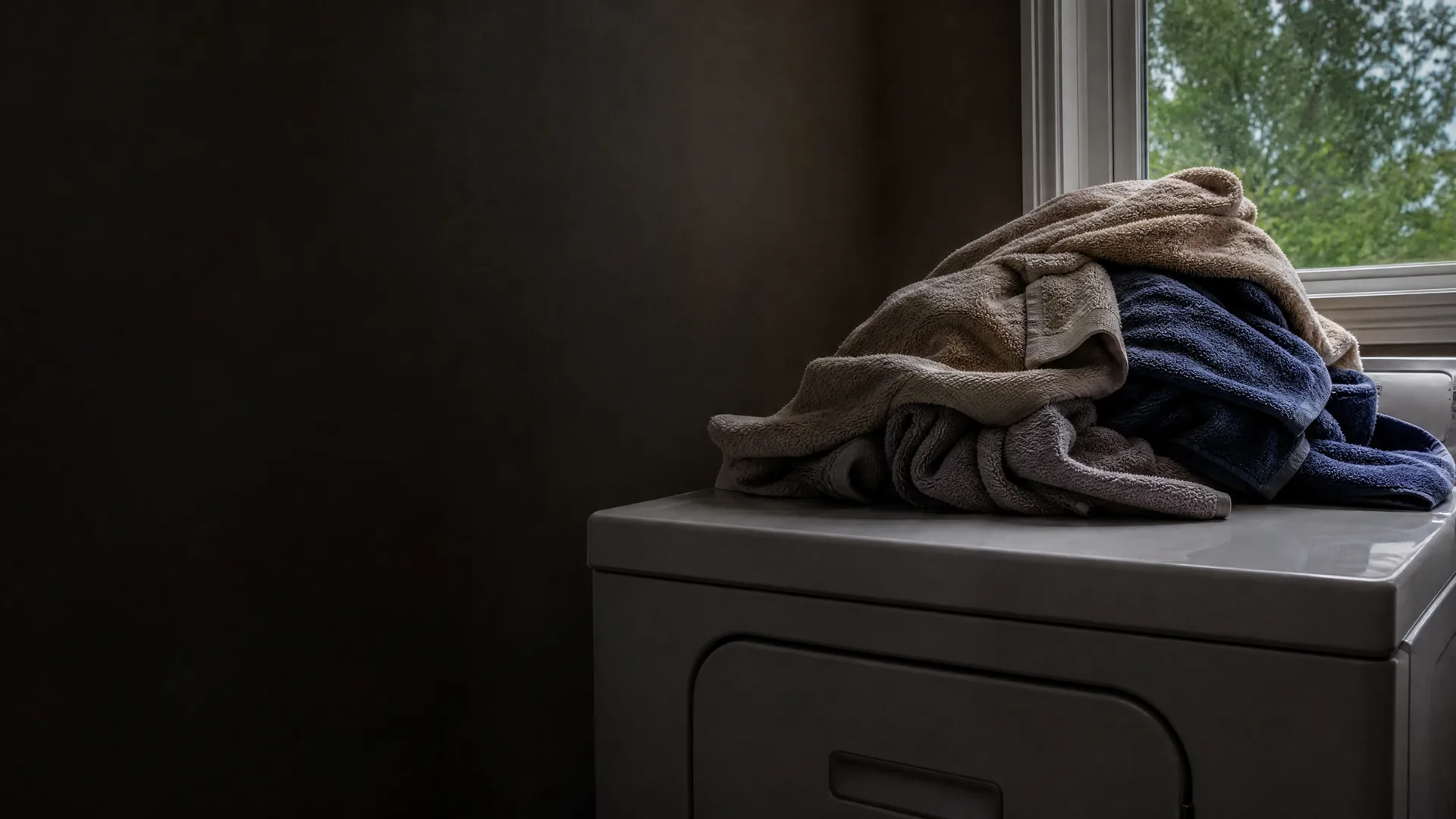
It's a little after seven and you've already run this load twice. You pull the towels out a third time and they're still damp at the folds, warm but not dry, that heavy terrycloth smell filling the laundry room. The dryer's been going since before dinner. You rest a hand on top of it and it's warm enough to notice. Through the wall you can hear it still turning, still blowing, going nowhere. You push the towels back in, add another twenty minutes, and head back to whatever you were doing, telling yourself you'll look at the vent hood outside this weekend if this keeps up.
2.52 people per household on average
A household your size does laundry most days, not once a week, so lint moves into that vent on a steady schedule. A vent that stays clear with one or two people clogs faster with more, since every load adds to what's already packed in the duct.
ACS 2020-2024




No calling every shop in Berkeley County
The pro who gets in touch is licensed in West Virginia and works in Berkeley County.
One form replaces the calls you'd make to find a dryer vent pro.
No charge to send it. You decide if you hire them.
Clean It Now or Keep Running It
Clean the vent now
- A straight shot of air restores the dryer to one cycle for a normal load instead of two or three.
- The heating element and thermal fuse stop running under the extra strain that caused them to wear out early.
- Lint stops holding moisture inside the duct, so the damp, warm conditions behind the wall go away.
- A licensed local contractor who services this equipment every season can tell you if your duct run or hood needs anything beyond the clean.
- You make one call instead of sorting through several contractors and explaining the same problem more than once.
Keep running it clogged
- Every load still pushes more lint into a duct that already can't pass enough air to clear itself.
- The dryer keeps running hotter and longer than it was built for, which shortens the life of the heating element.
- Moisture stays trapped in the packed lint, giving mold a place to start behind the wall.
- A burnt smell during the cycle means the dryer is working past what the thermal fuse is meant to handle.
- The outside hood flap stays stuck shut, so nothing tells you the blockage is getting worse until a cycle fails to dry at all.

Ignoring a clogged vent
The dryer keeps running, just worse. Every load takes longer, the laundry room gets warmer than it should, and the heating element keeps cycling under strain it wasn't built for. Lint sits in the duct behind your wall holding onto moisture. Nothing forces your hand, so the dryer just quietly works harder every week until the thermal fuse finally gives out or something worse happens.

Calling a local pro
Someone who works on vents in Berkeley County homes year-round knows the layout of your duct run before they open the access panel. They clear the duct, check the hood flap, and tell you straight whether the run needs rigid metal in place of what's there now. One visit, one company, and you're not stuck explaining the same problem three times to three different contractors before anyone shows up.
How does lint actually clog a dryer vent?
You know lint collects somewhere, but it helps to picture where it actually builds up and why it slows things down the way it does. Most people picture the trap filling up, not the long run of duct behind the dryer that nobody ever looks at.
Lint catches on every seam and turn until the duct narrows from the inside out
Every load that runs pushes a little lint past the trap, no matter how often you clean it. That lint is damp and warm when it leaves the drum, so it sticks to the inside of the duct instead of blowing straight through. It catches worst where the duct bends, where two sections join, or at the hood outside. Each load adds another layer on top of the last one, and the opening gets narrower a little at a time. By the time you notice longer dry times, the duct isn't blocked solid yet, it's just narrow enough that the dryer has to work harder to push air through what's left.

Lint slips past the trap and rides into the duct
Moist air slows down as the duct narrows with buildup
Lint sticks to those damp duct walls and piles up
Airflow keeps dropping as the blockage grows tighter



A dryer that needs two or three cycles has a clogged vent
Clothes coming out warm instead of dry, a hot dryer, a burnt smell, a weak flap at the outside hood. Any one of those points to the same thing. Lint has built up somewhere in the duct between the drum and the outside wall, and air can't get through it the way it needs to.
Finding someone to clear it usually means a round of searches, a few calls, explaining the same thing about your dryer to each one, then sitting with three quotes trying to tell them apart. This page skips that. One licensed contractor who works in Berkeley County and clears these vents through the winter and summer both gets the request, and you're not fielding calls from four companies by evening.


Describe it once