Get the right pro for your ductwork
Musty smell from vents in Parkersburg, WV
That musty smell from your vents usually points to moisture somewhere in the duct system, often mold or mildew sitting in there. With Parkersburg summers turning sticky, ducts can hold onto dampness longer than you'd think. This page gets into what causes it and what cleaning involves. Answer a few questions and a contractor who handles duct cleaning in Wood County will reach out to look at your setup.
Match me with a proA musty smell coming from your vents almost always means mold or mildew has a foothold somewhere in the duct system, often in the cooling coil or the drain pan beneath it, sometimes further back in the ducts themselves. It happens because that part of the system stays wet. The coil cools the air by pulling moisture out of it, and in Parkersburg's sticky summers it's condensing water for hours at a stretch. If the drain line is slow to clear or the ductwork nearby doesn't dry out between cycles, mold spores that are already floating in every home find a damp surface to settle on and grow. Once that happens, every time air moves through, it carries the smell into your rooms. The smell itself isn't dangerous to ignore for a day or two, but it means something in the system is staying damp longer than it should, and that won't fix itself. Cleaning the ducts and the coil removes the growth; finding why it got wet in the first place keeps it from coming back.
Why does a musty smell from vents keep coming back here?
Half the homes here were built by 1970
Cooling runs June through September here, and that coil stays wet after every cycle, which is exactly where mold needs to grow.
Heat runs October through April
Heat runs October through April, about seven months. That's a long stretch where ducts sit closed up with whatever's already growing in them.
Cooling runs June through September
Half the homes in Wood County were built in 1970 or earlier. Older duct runs have had more time to collect the moisture that causes this.
ACS 2020-2024 · NOAA nClimDiv 1991-2020
Where the smell actually starts
- The evaporator coil sits wet after every cooling cycle, which is where most of this smell actually starts.
- Air handlers mounted in a closet or crawlspace often sit close to the ground, so the drain pan collects dust along with condensation.
- A clogged condensate drain line backs water up into the pan instead of letting it drain outside.
- Mold spores already in the ductwork ride the airflow and settle anywhere the duct stays damp or dusty.
- Return ducts pull in whatever's in the air around them, so a damp basement or crawlspace return feeds the problem.
- The smell is usually strongest right when the system kicks on, because that's when air first moves past the coil and pan.
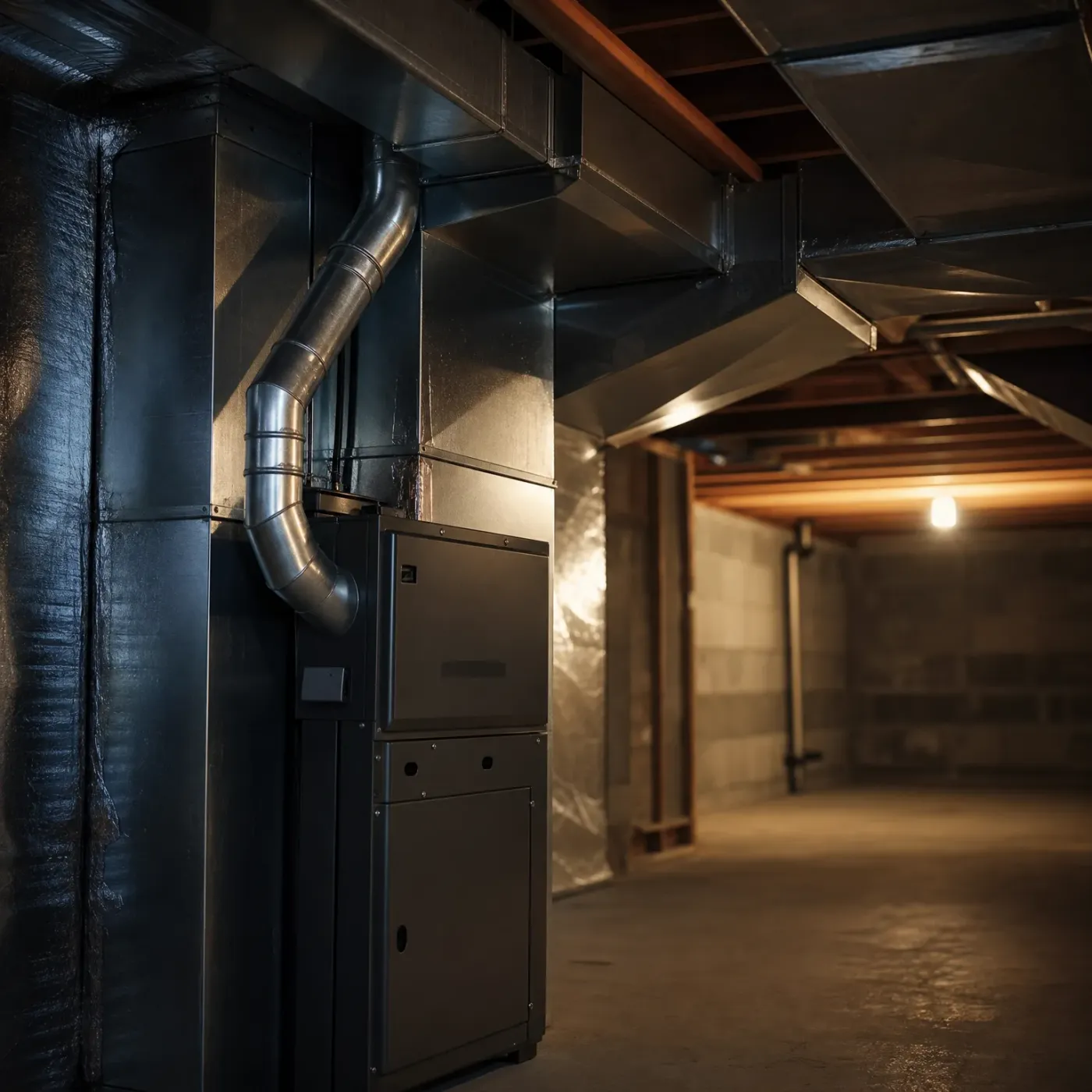
The evaporator coil is the part doing the cooling, and it stays wet after the system shuts off. Water drips off it into a drain pan below, and that pan sits right there in the airstream. If the pan holds water, or even just stays damp, mold has what it needs. In a lot of homes around Parkersburg, that air handler sits in a closet, a basement, or a crawlspace, low to the ground, and the pan picks up dust along with the condensation. Wet dust is worse than either one alone. It gives mold something to feed on and somewhere to hold on.
The condensate line is supposed to carry that water outside. When it clogs, usually with the same buildup that collects in the pan, water backs up instead of draining. That standing water sits there between cycles, and it does not take long for it to start smelling.
Once mold is established somewhere in the system, whether that's the pan, the coil, or a stretch of duct nearby, the spores travel. Air moving through the ducts carries them to anywhere else that's damp or holds dust, so the problem spreads even to parts of the system that started out clean. Return ducts make this worse if they run through a damp basement or crawlspace, since they're pulling that air in before it circulates through the house.
That's why the smell is strongest right when the system turns on. That first rush of air is passing straight over the coil and the pan, the two spots most likely to be holding moisture.
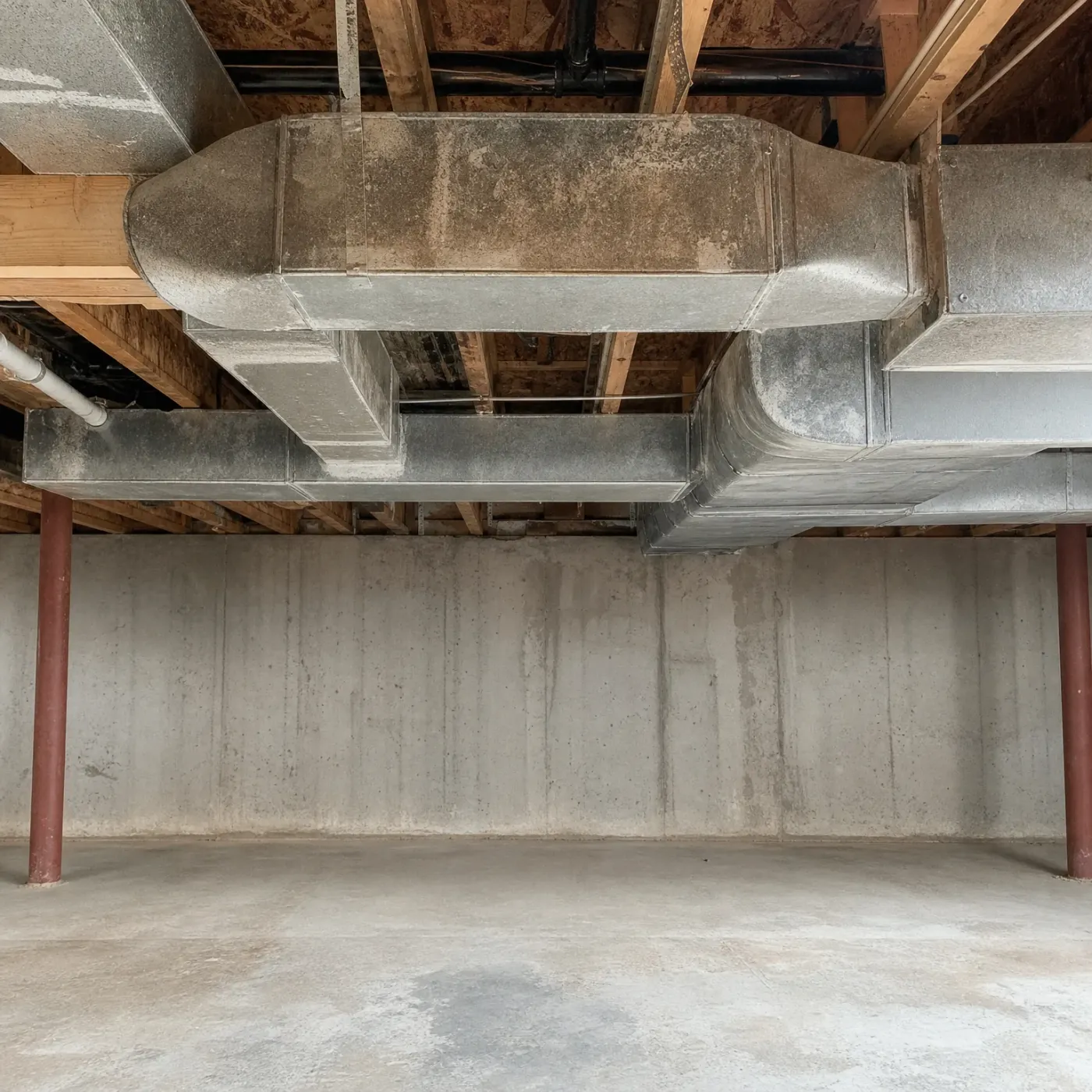
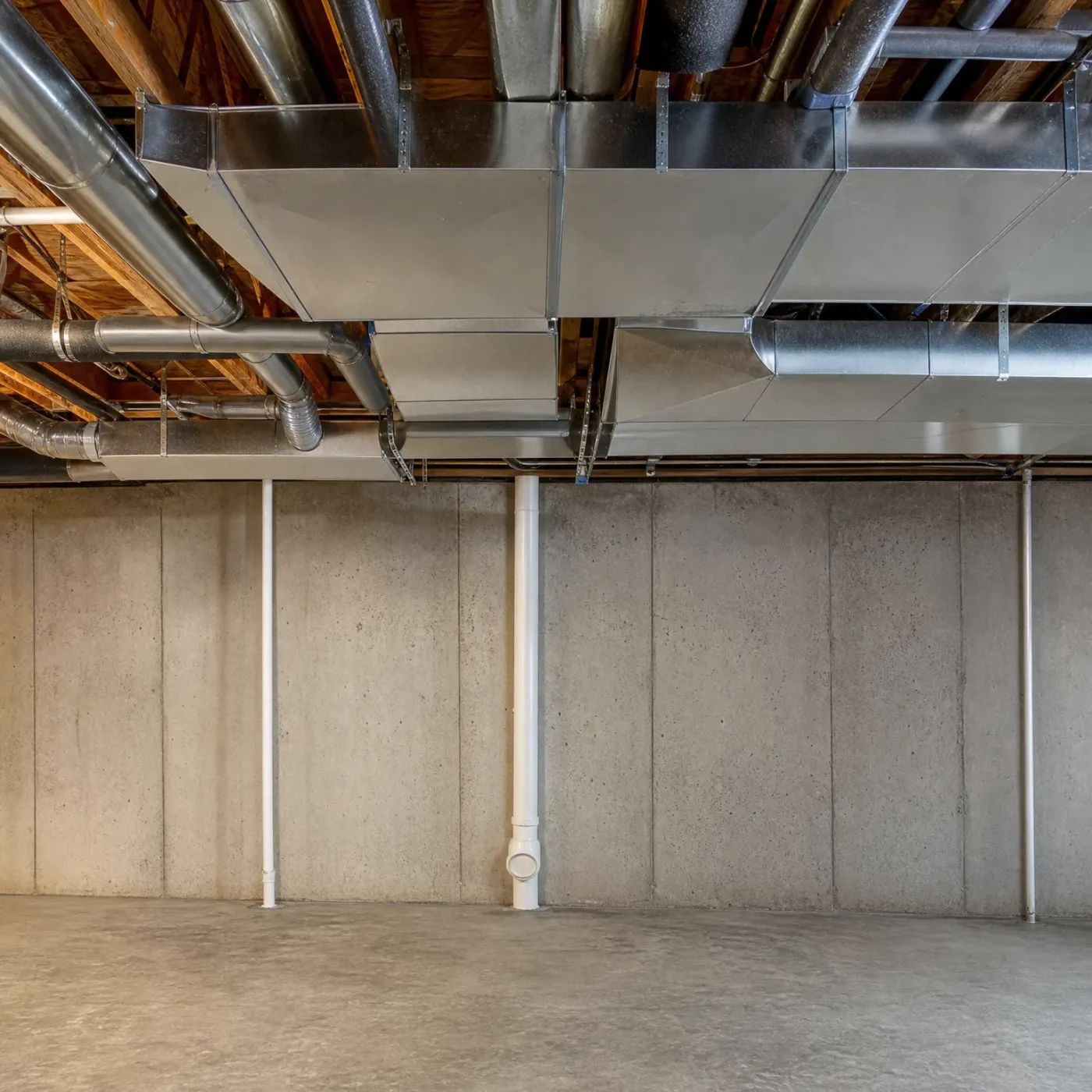
If the smell is strongest in one bedroom or a back room, that is not your imagination. It usually means the duct run feeding that room is holding the moisture, not the whole system. Turning the fan to run on its own can actually make things worse, since it pushes that same air through every room instead of leaving it where it started. Pay attention to when the smell shows up. If it is there when the AC kicks on and gone once it shuts off, the coil or the drain pan underneath it is almost always the source. That pattern will keep repeating each summer here until something is done about the moisture sitting in the system, not because anything new is wrong but because the same wet coil is doing the same thing it did last July. Anyone in the house with allergies or asthma will likely notice it more than everyone else, since mold sitting in the ductwork sheds spores along with the smell. None of this means the ducts are ruined. It means there is a damp spot the system keeps revisiting.
What this means in your house
- A musty smell in one or two rooms usually means the branch duct feeding them is where the moisture sits.
- Running the blower fan on its own setting for a while can spread that smell through the whole house instead of just the rooms closest to the coil.
- Mold sitting in the ductwork gives off spores along with the smell, which matters if anyone in the house has allergies or asthma.
- A smell that fades when the AC is off and comes back once it kicks on points straight at the coil or the drain pan.
- Humidity left in the ducts over a muggy Parkersburg summer makes the house feel heavier even when the thermostat reads the right number.
- A musty smell that shows up every summer and fades every winter is the coil cycle repeating, not a one time problem solving itself.




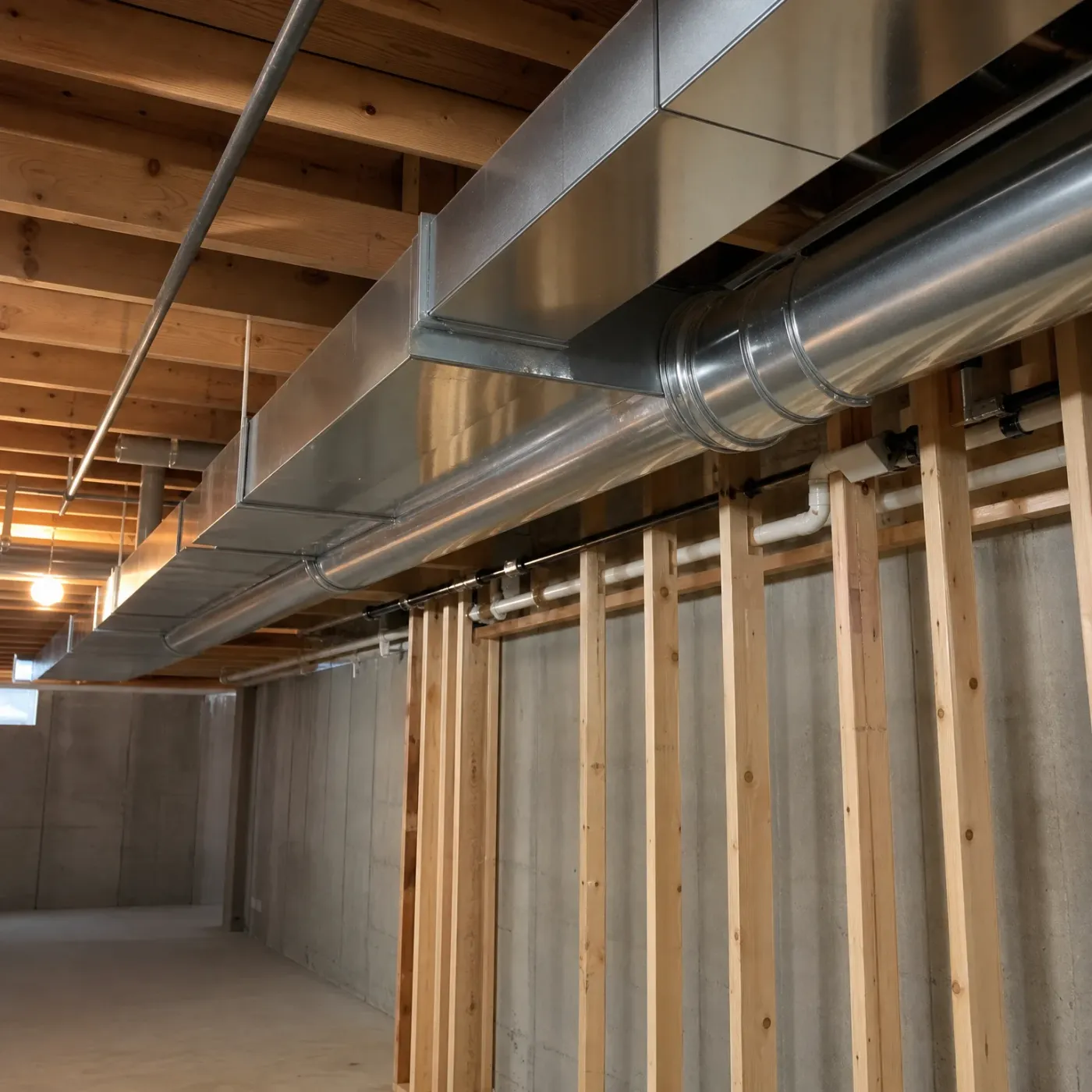
A pro who works on ducts
Send the form and the duct cleaning stops sitting on your list.
Your request goes to a Wood County pro who takes ductwork jobs.
You only hire the pro if you want to.
Clean the Ducts or Find the Source
Clean the ducts
- A musty smell coming mostly from the vents, not from a specific room or object, points to the duct system or the coil as the source.
- Cleaning addresses dust and debris sitting in the ducts, but it won't dry out a coil or drain pan that stays wet after every cooling cycle.
- If the smell shows up strongest right when the AC kicks on, that's the coil area, and ducts alone aren't where the problem started.
- Ducts that haven't been cleaned in years can hold dust that mold uses as a food source, even if the moisture itself is coming from elsewhere.
- A duct cleaning won't fix a clogged condensate drain line, which is a common reason the smell keeps returning after cleaning.
Have a contractor inspect first
- An inspection can trace the smell to its actual source, whether that's the coil, the drain pan, the ducts, or a branch line feeding one or two rooms.
- If the coil or drain pan is where mold is growing, cleaning the ducts without addressing that spot means the smell comes back within weeks.
- A contractor can check the condensate drain for a clog, since a backed-up drain keeps the pan wet longer than it should ever sit.
- Inspection costs you a step up front, but it keeps you from paying for duct cleaning that doesn't touch the real problem.
- Knowing the source also tells you whether this is a one-time job or something that needs checking every summer, like a drain line that clogs easily.

Technician inspects the coil, drain pan, and duct runs for moisture
Vents and return lines get sealed off before any work starts
A negative air machine pulls air through the ducts to loosen debris
Brushes or air whips knock buildup loose from the duct walls


Power here costs 14.31 cents per kilowatt-hour
At 14.31 cents per kilowatt-hour, running a blower fan longer to chase a musty smell through the house costs you something real, not just the smell spreading. It's worth having a contractor dry out the coil and clean the ducts instead of leaning on the fan to mask it.
EIA-861 2025

A smell that fades on its own
Sometimes the musty smell shows up after a few damp days and backs off once the coil has had a chance to dry out between cycles. That can happen in spring or fall when cooling runs less and the system isn't working as hard. It doesn't mean nothing's growing back there, just that conditions eased up for a while. A dry stretch isn't the same as a clean duct system.
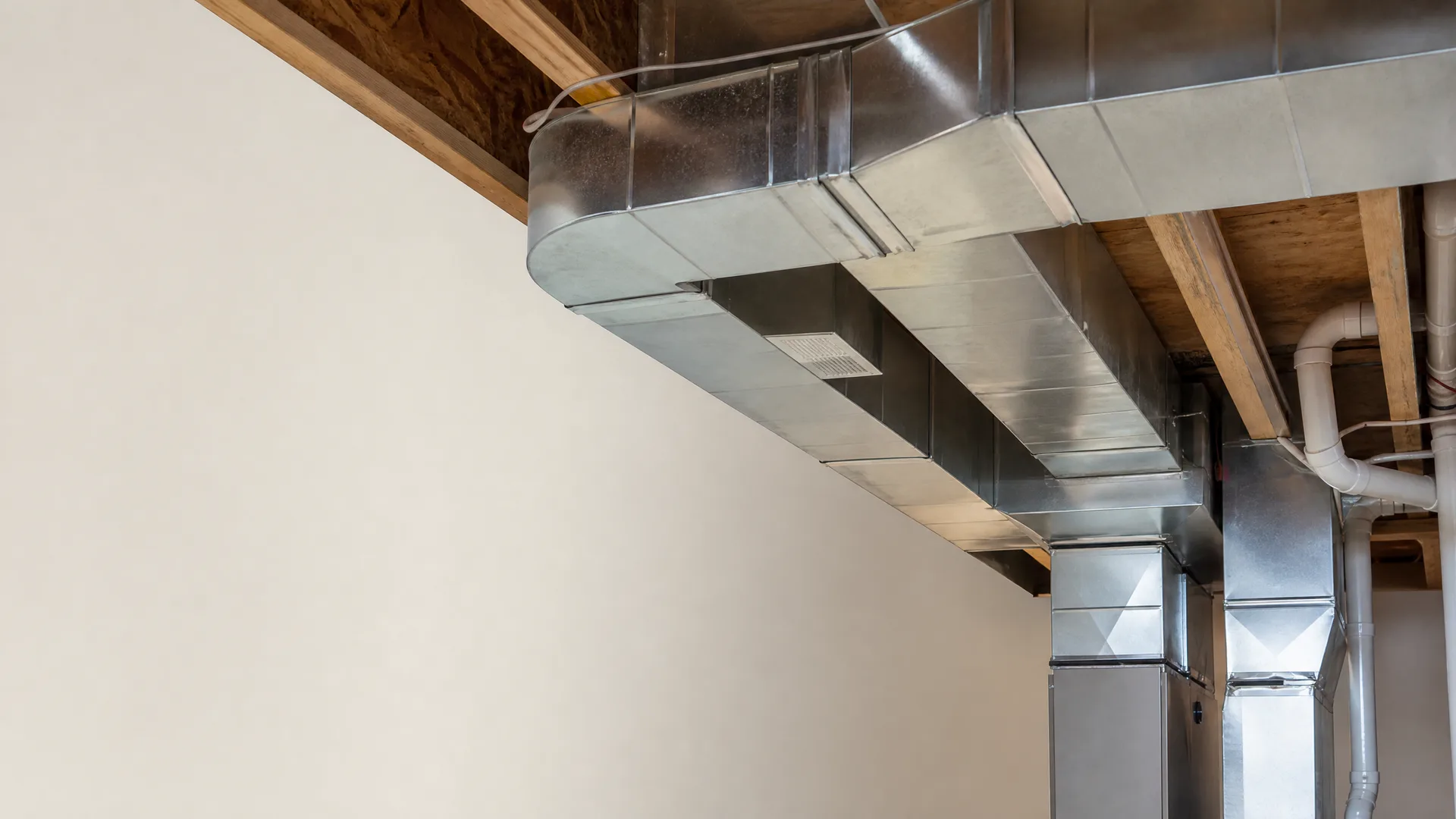
A smell that holds steady
If the smell is there every time the air kicks on, winter or summer, that points to something established rather than a passing damp spell. Mold doesn't need the system running to keep growing once it has a foothold on the coil or in the ducts. A steady smell usually means more than the coil is affected, and it's a sign the duct system itself needs attention, not just a wait for drier weather.

A musty smell from your vents has a cause, and it can be found
A musty smell from your vents means moisture sitting somewhere in the duct system, usually at the coil or drain pan, sometimes further down the runs. In Wood County, where cooling runs hard for months and heat takes over for the rest of the year, that moisture has plenty of chances to turn into something that grows and spreads through the house. None of that means the system is beyond fixing. It means someone needs to look at the coil, the pan, and the ducts themselves to find where the moisture is sitting and clear it out.
A contractor who comes out to look at your system can tell you in minutes whether this is a duct cleaning, a coil that needs drying out and servicing, or both. You won't need to figure out which one it is on your own, or guess at what's behind the smell before anyone shows up. Once you send the request, that part is off your plate. Someone who knows your system and your part of Wood County takes it from there.

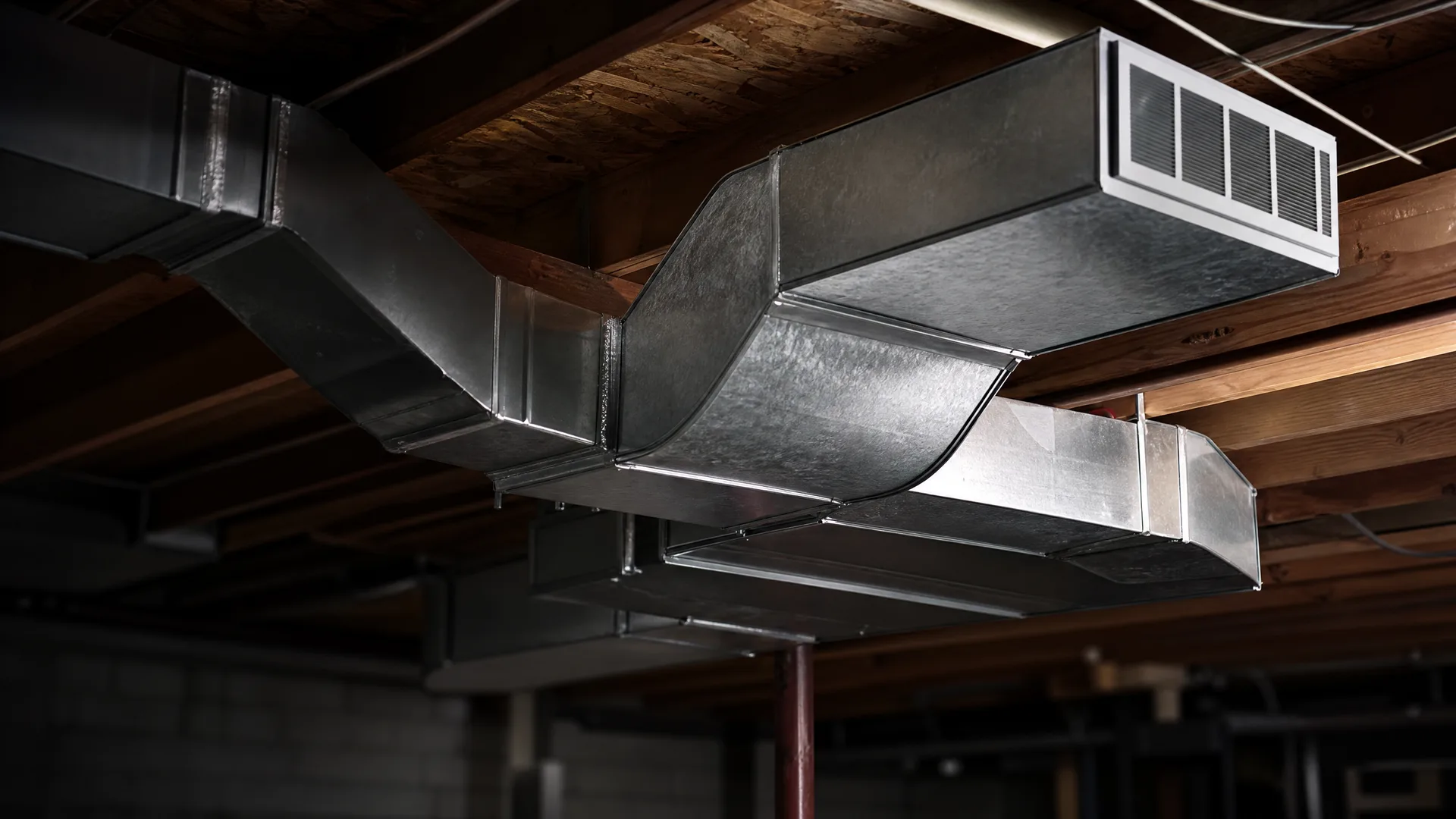
Get your ductwork to the right pro