Ducts doing their job
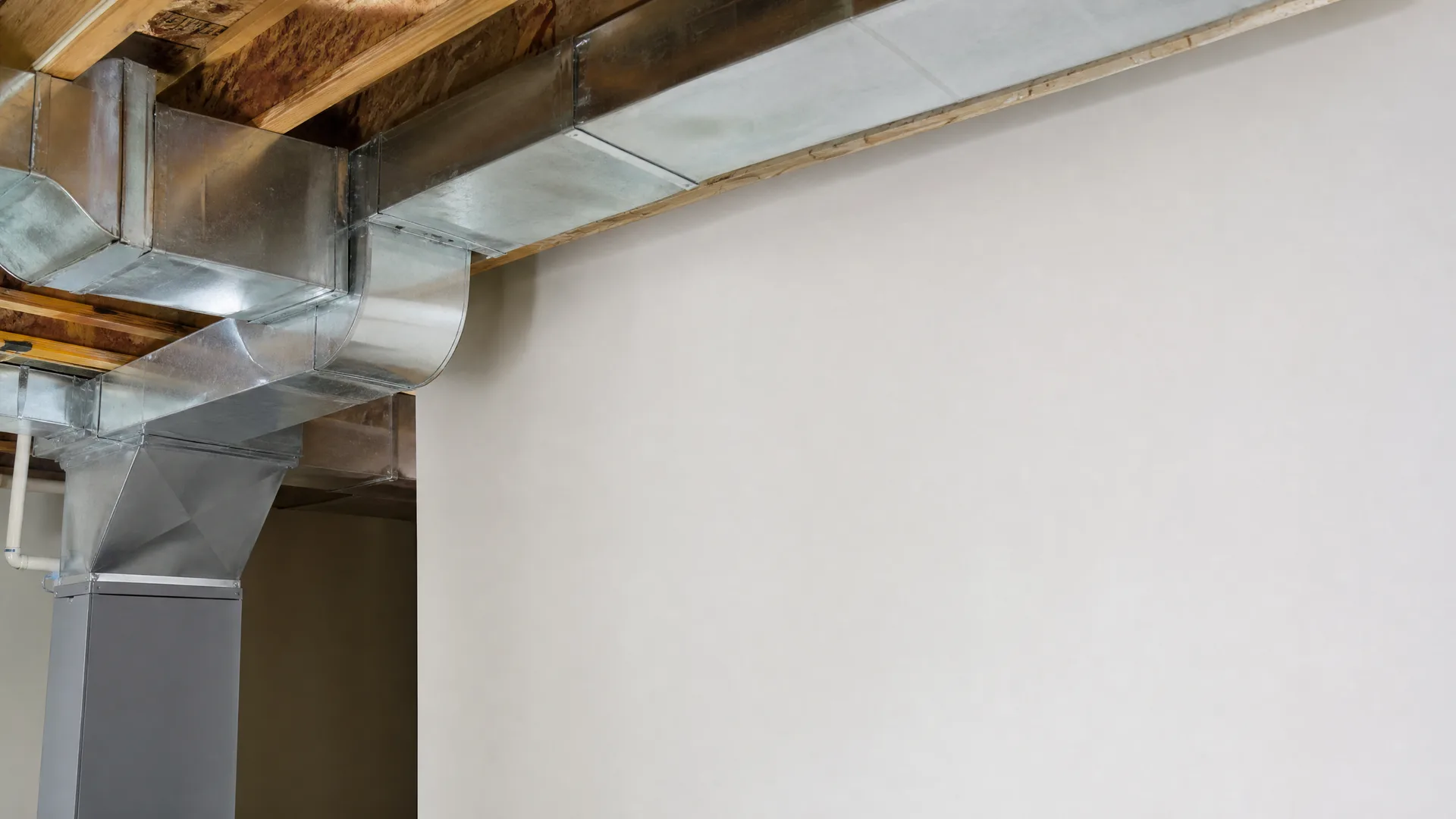
Air moves through clean metal, furnace runs, and nothing in the basement tells you otherwise. No dust ring around the vents, no smell when the system kicks on. This is what normal looks like behind your walls and ceilings.
Maybe you noticed more dust settling on the furniture than usual, or someone in the house has been sneezing more since the furnace kicked on. Maybe you just moved in and don't know what the last owners left behind in the vents. You're not looking to clean ducts on a whim, you want to know if there's an actual reason to, and what that reason would look like if you saw it.
If you pull a vent cover off and find a layer of dust and debris inside, or dust seems to resettle on surfaces within a day of cleaning, that's air moving through dirty ducts. A musty smell when the furnace or AC first kicks on points to dust or mold sitting in the ductwork itself. With Cabell County winters running the furnace hard and summers running the AC just as hard, air passes through those ducts constantly for months at a stretch, and whatever has built up inside gets pushed into every room. Anyone in the house with allergies acting up more than usual, especially once the system has been running steadily, is worth paying attention to.

Air moves through clean metal, furnace runs, and nothing in the basement tells you otherwise. No dust ring around the vents, no smell when the system kicks on. This is what normal looks like behind your walls and ceilings.

Dust has built up inside the duct runs over the years, and it settles on furniture faster than it should. If anyone in the house has started sneezing more since the furnace came on this winter, this is often why.




Half the homes here were built by 1971
Half the homes in Cabell County were built in 1971 or earlier. Older duct runs have had more years to collect dust, and more chances for someone to have patched or added onto them.
Heat runs October through April
Heat runs here from October through April, about seven months of the year. That's seven months of air pushing through the same ducts, carrying whatever has settled inside across your floors and ceilings.
Cooling runs June through September
Cooling runs June through September. Add that to the heating months and there's barely a stretch when the system sits idle long enough for dust to just settle instead of circulating.
ACS 2020-2024 · NOAA nClimDiv 1991-2020
Pull a return vent cover off and look at it from the back. A gray felt of dust across the mesh means the same amount is coating the inside of the duct that feeds it. Run a finger along the inside edge of the duct a few inches past the opening. If it comes back dark, that's not surface dust, that's buildup the blower has been pushing past that spot for a while.

The filter only cleans air passing through it on the way back to the furnace. Anything already settled inside the duct runs, in the elbows and the low spots, stays put until airflow is strong enough to lift it again, which is usually when the system first kicks on after sitting idle. A clean filter says nothing about what's sitting in the metal between the vents and the furnace.
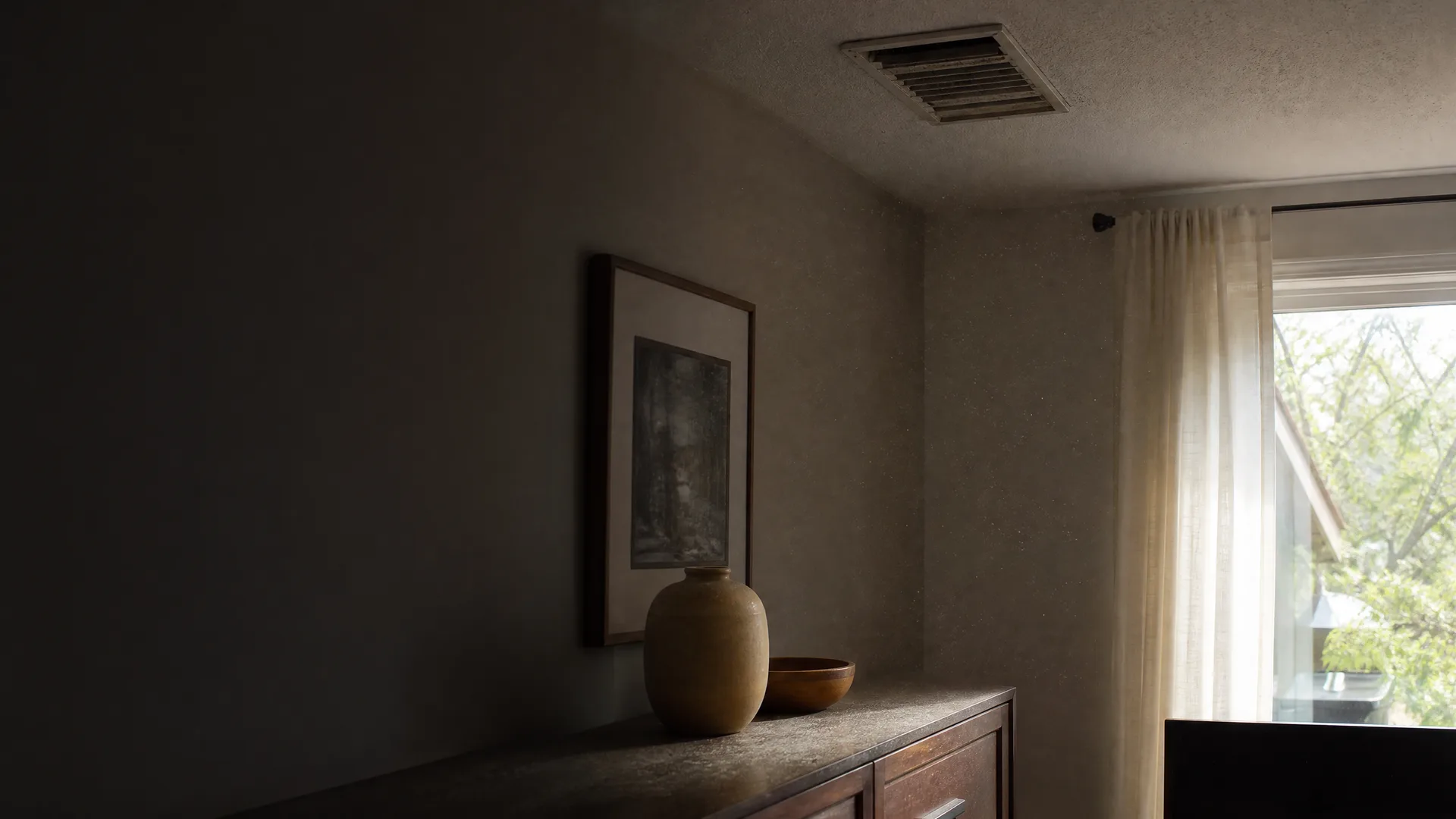
It's a Saturday afternoon in April, and the windows are open for the first time since fall. Light comes in low across the living room and catches the ceiling vent above the couch. You see it then: a gray halo of dust ringed around the grille, and a fine film sitting on the back of the couch and the top of the bookshelf below it. You wiped that shelf down a week ago. The furnace clicked off twenty minutes before, done with maybe its last run of the season, and the dust is still settling now that the air isn't moving. You stand there a second, looking from the vent to the shelf and back, before you go get a rag.
You can usually tell without opening anything up. Vents blow out a faint musty smell when the furnace first kicks on, or the air just feels heavier than it should in a room that gets plenty of airflow. Furniture needs dusting again within a day or two of cleaning it. Someone in the house wakes up stuffed up even though nothing else changed. If a window unit or the return vent has a gray felt building up fast, that same dust is moving through the rest of the run too. None of this means the air is dangerous, but it does mean the system is working harder to push air through a dirtier path, and anyone in the house sensitive to dust is breathing more of it than they need to.
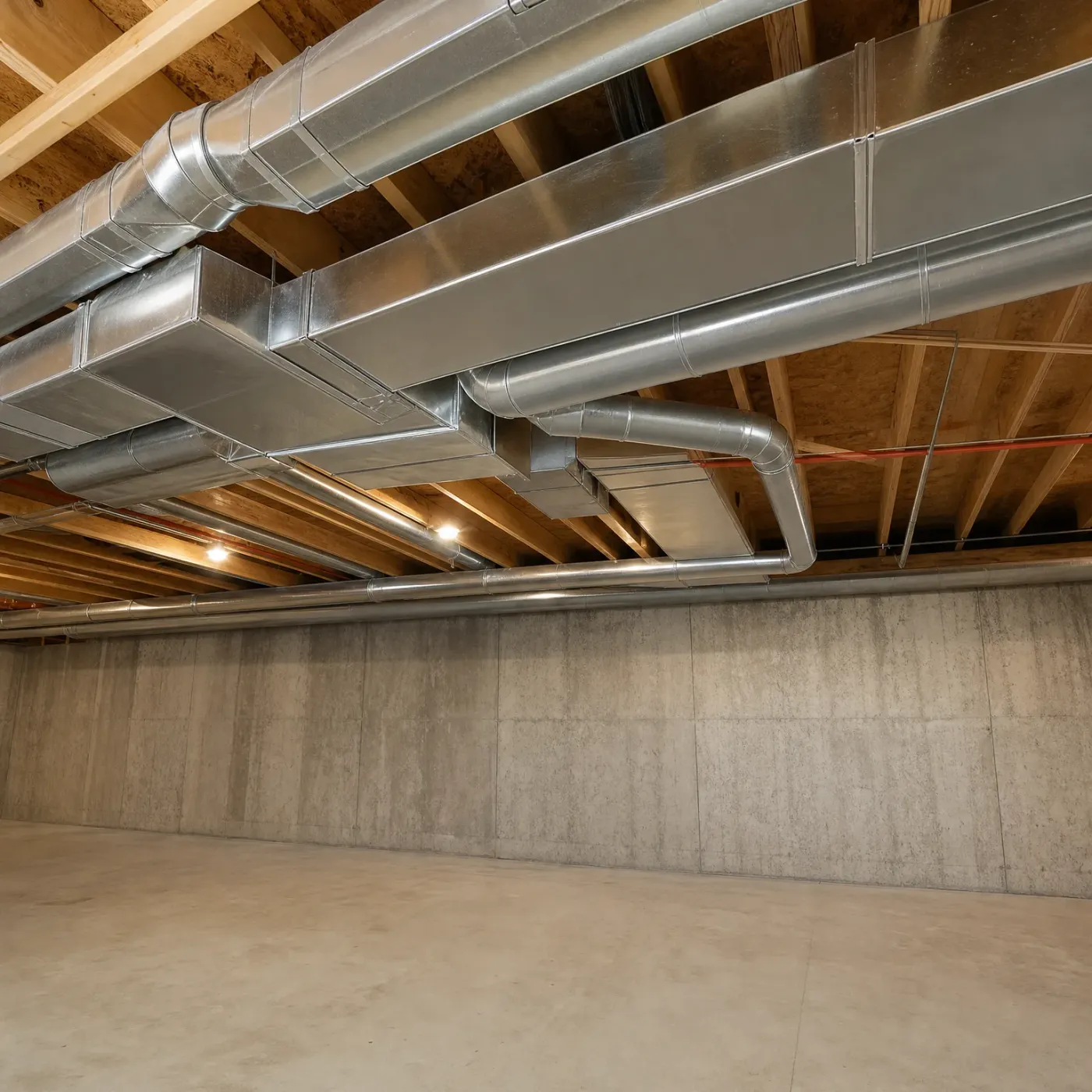
Skip searching for someone who cleans ducts in Cabell County.
Sending the form costs nothing.
You wipe the vent covers, run a rag inside as far as your arm reaches, and change the filter again. The dust along the ceiling eases up for a week or two, then comes back. You still don't know what's sitting in the runs behind the walls or under the floor, and nothing you own reaches past the first couple feet of duct. You're guessing at how bad it is based on what you can see at the opening, which is only a small piece of the whole system.
Instead of calling around Huntington asking who does duct cleaning, explaining the dust and the smell over and over, and trying to compare quotes you can't really judge, you send one form and the search is off your plate. A cleaner can run a camera through the ducts and show you what's actually built up in there, not just what's visible at the vent. You get an answer about the whole system instead of a guess about the part you can reach.
Dust sitting in your ducts doesn't just make the house dirtier. It makes the furnace and blower work harder to push air through, and at 16.97 cents per kilowatt-hour, that extra strain shows up on your bill before it shows up anywhere else.
EIA-861 2025
A duct system can carry dust and still move plenty of air. The furnace doesn't know the difference between clean sheet metal and a quarter inch of buildup lining it, so it keeps running the same cycles either way. You won't find out from your energy bill alone, and you won't find out from standing in the room feeling the airflow. What's built up in there stays out of sight unless you go looking for it, behind a grille, at the return, or in what a cleaner pulls out with a camera or a vacuum line.
Dust comes from the house itself, from carpet and skin and whatever tracks in on shoes, and the return pulls it into the system same as it pulls in the air. A house that's been lived in for years has had years to feed its ducts. Construction nearby, a dog that sheds, a crawl space that floods now and then, all of it ends up pulled through the same runs. None of that shows up as a smell or a sound. It shows up as a coating, and the only way to know how much is there is to look.


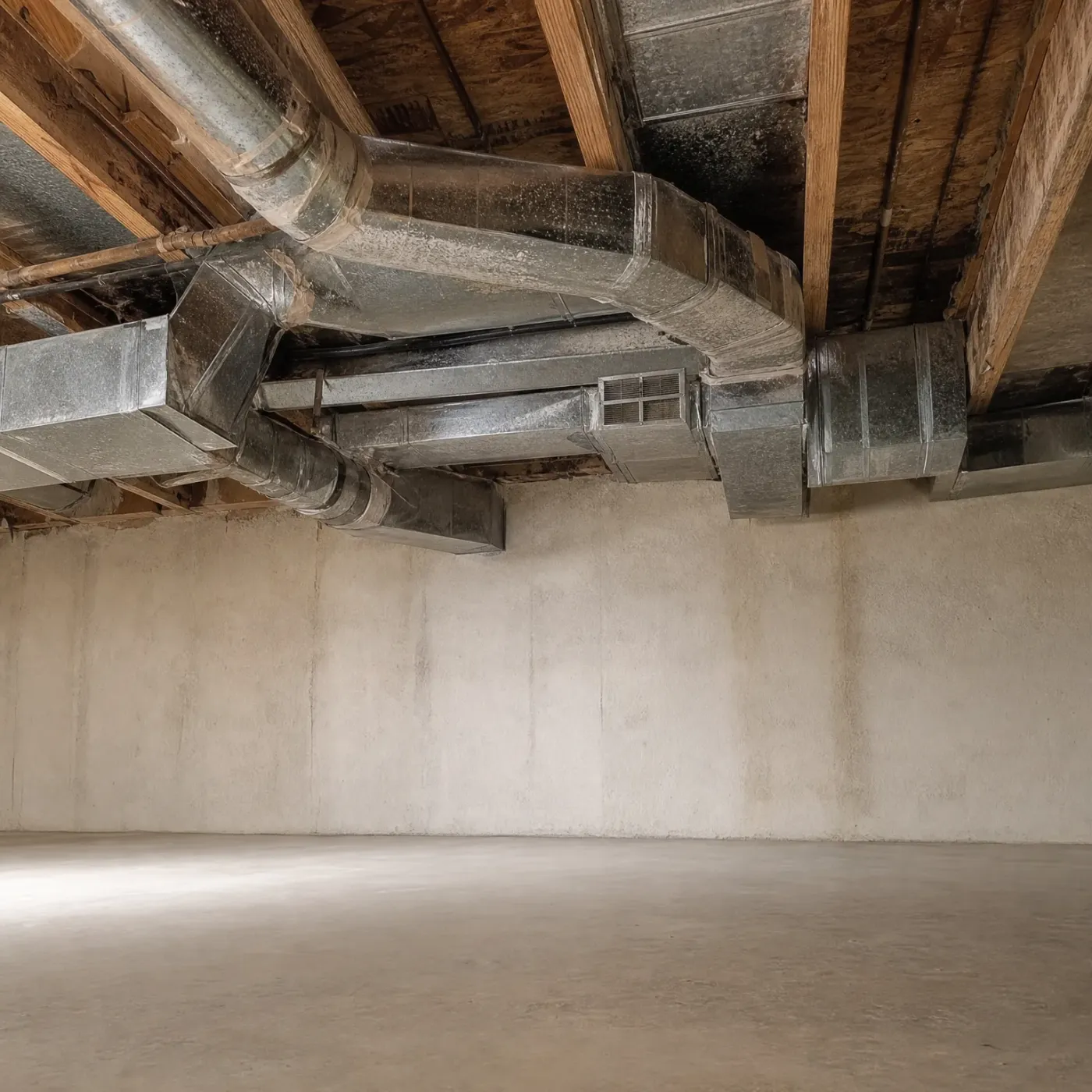
Dust and debris settle inside the duct runs over months of use.
A technician opens access points and inspects each run with a camera.
A vacuum collection system attaches to the ductwork to create suction.
Agitation tools knock buildup loose from the inside of the metal.

A gray ring around the vent, a musty smell when the furnace kicks on, dust that comes back a week after you wipe it down. Any one of those is reason enough to have your ducts looked at. You don't need all of them, and you don't need to pull the ductwork apart yourself to be sure. The signs you can check from a vent cover or a furnace filter are usually all the answer you need.
What's left is finding someone to do the work, and that part is its own chore. Searching for a cleaner in Cabell County, calling a few, explaining what you found behind the vent cover each time, then sitting with quotes that are hard to compare because you don't know what any of them actually checked. Send the form instead and that work is off your plate. You'll have someone to talk to about what you saw, without doing the legwork to find them.


Let someone else find the pro