

Why your laundry room gets so hot in West Virginia

Send the form and the dryer vent cleaning stops sitting on your list.

Let a pro reach out

A hot laundry room usually means the dryer vent is clogged with lint and can't push the hot, damp air outside. Instead it backs up into the vent run and leaks out around the dryer, into the room. Summers in West Virginia already run sticky, so the room can't shed that extra heat and moisture the way it might in a drier spell. A dryer working against a blocked vent also runs longer and hotter to dry the same load, which adds more heat to the room with every cycle. Check the outside vent hood while the dryer runs. If the airflow feels weak, or barely there, that's lint built up somewhere in the line. It won't clear on its own, and it's worth having the full vent run cleaned out rather than just the lint trap, since most of the blockage sits further down the duct.

A white hooded dryer vent with a square screwed-on flange mounted on gray horizontal lap siding, above a concrete foundation wall edged with gravel stones.

Clear vent, outside air flows free

The flap swings open when the dryer runs and closes when it stops. Hot, damp air leaves the house through the hood instead of settling in the laundry room. The wall stays dry and the room stays close to the temperature of the rest of the house.


A lint-clogged hooded dryer vent mounted on light gray horizontal lap siding above a concrete foundation wall.

Clogged vent, heat has nowhere to go

Lint has packed the hood until the flap can't shut. The dryer still pushes out hot, wet air, but the vent run is too choked to carry it outside, so it works back into the laundry room. On a muggy day that room runs hotter than the rest of the house.

Why does my dryer vent make the room so much hotter in summer?

Why does my dryer vent make the room so much hotter in summer?

Because the heat has nowhere to go but back into the room

A dryer pulls air across a heating element, through the drum, and out through the vent hood on the outside wall. That hot air is supposed to leave the house on that one pass. When lint has built up along the vent run, the air slows down and some of the heat stays in the duct instead of venting out. The duct runs warm, the wall around it runs warm, and that heat works its way back into the laundry room. In summer, with the air already heavy outside, that extra heat has no easy way to clear the room, so it just sits there while the dryer runs.

A white hooded louvered vent mounted on beige horizontal lap siding above a stucco foundation wall bordered by river rock gravel.

Vent cover sitting clean

The hood sits flush against the siding and the flap moves freely. Air passes through the mesh screen without resistance, so the dryer pushes its full load of heat and moisture straight outside. The foundation wall below stays dry, and nothing builds up around the opening.

A white plastic hooded dryer vent with a lint-covered screened opening mounted on beige horizontal vinyl siding above a concrete foundation.

Screen packed with lint

The mesh screen is dark with trapped lint, and the opening can't move the air it used to. Heat and moisture that should be going outside are working their way back through the vent run instead, and the laundry room is holding both.

Why does my laundry room feel hotter than the rest of the house?

Run a load and stand in the doorway after. If the room stays warm long after the dryer shuts off, or the air feels thick instead of just warm, that's lint-clogged exhaust holding heat where it shouldn't be. You might notice the wall behind the dryer is warm to the touch, or the room smells faintly like a hot attic even with the door open. Some homes get condensation on the window in there before anywhere else. Left alone, trapped heat and moisture sit against drywall and framing, and a vent that can't push air out is also a vent that can't push lint out, which is how dryer fires start.

  1. Lint builds up inside the vent duct with every load dried.

  2. The narrowed duct slows the hot, damp air leaving the dryer.

  3. Heat and moisture back up through the duct toward the dryer.

  4. That trapped heat leaks out around the dryer into the room.

A smiling man in a dark navy sweater sits on a light sofa in a living room, with a glass bowl of popcorn on a wooden coffee table and bookshelves behind him.
A smiling man in a dark green sweater sits on a tan leather sofa in a dimly lit living room, with a bowl of popcorn in the foreground and a kitchen area blurred behind him.
A smiling middle-aged man in a dark shirt sits on a gray sofa in a living room, with a bowl of popcorn on a side table and shelves, a window and kitchen area behind him.
A smiling bearded man in a dark gray t-shirt sits on a gray couch in a living room, with a large glass bowl of popcorn on a wooden table in the foreground.
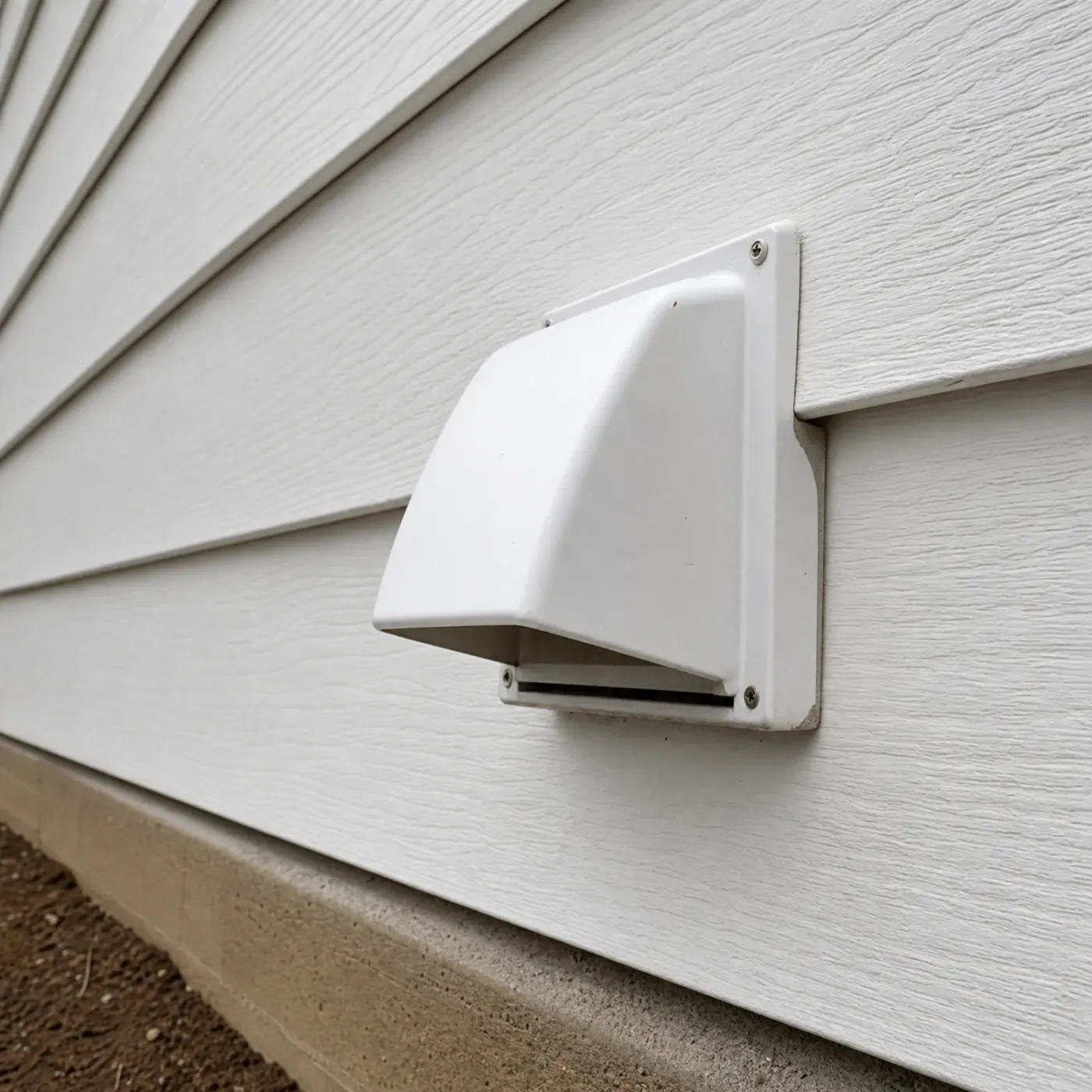
A white hooded dryer vent cover screwed to white lap siding above a concrete foundation and bare soil.

Finding a pro stops being your job

Your dryer vent cleaning request goes to one local pro.

Send the form and finding a dryer vent cleaner is handled.

Get a licensed local pro

It costs nothing to send, and you don't have to hire anyone.

Vent Left Alone or Cleaned Out

Vent left alone

  • Lint keeps building with every load, so the duct gets narrower and the dryer works harder to push air through it.
  • The laundry room stays warm well past the end of the cycle because the heat has nowhere to vent out.
  • Drying times stretch out, which means the heating element runs longer and adds even more heat to the room.
  • Damp air that should leave through the hood condenses inside the duct or leaks out around the dryer instead.
  • With most homes here heating on electricity, a dryer running longer each load adds to what you're already paying to run it.
  • Summer humidity has nowhere to go but into the room, so the air feels thick on top of being hot.

Vent cleaned

  • A clear duct lets the full force of the dryer's exhaust reach the vent hood outside instead of backing up indoors.
  • Drying times return to normal, so the heating element isn't running longer than it needs to.
  • The laundry room cools back down soon after the cycle ends instead of holding heat for hours.
  • Moisture leaves with the exhaust air, so the room doesn't carry that thick, damp feel in summer.
  • A technician who works on vents through West Virginia summers knows where lint typically packs in tightest, often at bends or near the hood.
  • One licensed local contractor handles the inspection and cleaning, so you're not fielding calls from several companies over one vent.
A white hooded dryer vent cover mounted on beige horizontal vinyl siding above a concrete foundation wall with gravel at the base.
Air passes straight through the hood and out past the gravel bed below, so the duct behind it never backs up.
A square plastic dryer vent hood mounted on light-colored horizontal lap siding above a concrete foundation, with gray lint clogging its screened opening.
Lint has packed in around the mesh screen until barely a gap is left for air to push through.
A woman in a dark knit turtleneck sweater reclines on a couch under a cream knit blanket, looking down at an open book, with a lit table lamp and framed pictures behind her.
A smiling middle-aged man in a dark green sweater sits at a candlelit table with wine glasses and a plate of greens in a dimly lit interior.

One load a day

That's roughly 300 loads a year pushing hot, damp air through the same duct. Every one leaves a little more lint behind if the vent hasn't been cleaned.

I'm done searching

A clean duct runs cooler

With the lint cleared, air moves straight through to the hood and out. The dryer stops fighting the duct, and the room stops holding onto heat it can't release.

I'm done searching

Power costs 15.39 cents per kilowatt-hour statewide

At 15.39 cents per kilowatt-hour, running a dryer longer than it needs to costs you something every time you do laundry. A clogged vent makes the dryer work harder and run longer to dry the same load, and that extra time shows up on your bill as well as in the heat left behind in the room.

EIA-861 2025 statewide residential average

A Clear Vent Fixes the Room

  • A hot, slow-drying laundry room almost always traces back to lint packed inside the vent duct.
  • Clearing that duct lets the dryer push its heat outside the way it was built to, instead of into the room.
  • A local contractor who clears vents in West Virginia homes all summer knows which duct runs and hood styles clog fastest.
  • You're matched with one licensed contractor for the job, not a batch of companies calling about the same lead.
  • Once the vent runs clear, the room settles back down to the temperature of the rest of the house.

The heat in your laundry room has one cause worth checking first: lint packed into the vent duct, holding in the hot, damp air the dryer is built to push outside. Everything else, the long drying times, the thick air that lingers after the cycle ends, the wall by the dryer that never quite feels dry, comes from that same blockage. Clear the duct and the dryer goes back to doing what it was designed to do, and the room stops holding onto heat it was never meant to keep.

Finding someone for this job in West Virginia doesn't mean sorting through strangers. The contractor you're matched with works vent cleanings through the summer in homes like yours, and knows which duct runs clog fastest and which hood styles trap lint instead of shedding it. That's the kind of thing you only know from doing it on this equipment, season after season, in this state. It's one contractor assigned to your job, not a handful of companies competing for the same lead, so you're not stuck fielding calls from everyone who saw the request come through.

Once the vent is cleared, you'll notice it in the room itself before you notice it anywhere else. The air stops feeling thick. The space cools back down close to the rest of the house within a load or two, not weeks later. That's the plain measure of whether the job worked: stand in the doorway after a cycle and the room feels like the rest of the house again.

A metal hooded exterior vent cover mounted on dark gray horizontal lap siding, photographed at an angle along the wall.

One request and it's handed off

Your request goes to one pro, not a list of companies.

Duct and vent cleaningWest Virginia
Step 1 of 3

What kind of equipment?